
How to remove rust of S700MC automotive steel sheet
Discover professional methods for removing rust from S700MC high-strength automotive steel. This guide covers chemical, mechanical, and laser cleaning techniques while maintaining material integrity.
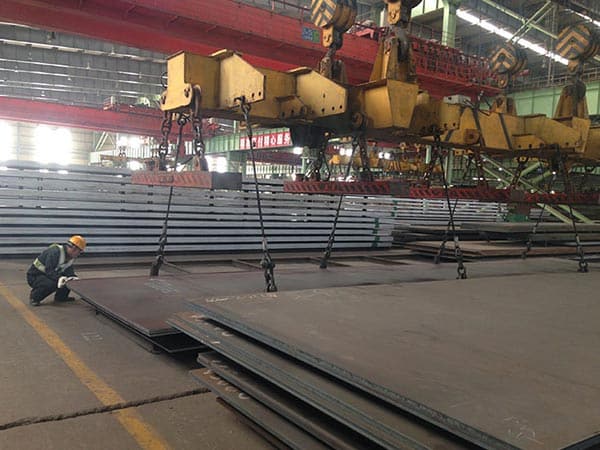
Understanding the Vulnerability of S700MC High-Strength Steel to Corrosion
S700MC is a high-strength, thermomechanically rolled steel specifically designed for cold forming. According to the EN 10149-2 standard, it boasts a minimum yield strength of 700 MPa. This exceptional strength-to-weight ratio makes it indispensable for automotive chassis, crane booms, and structural components. However, despite its advanced mechanical profile, S700MC is not a corrosion-resistant alloy like stainless steel. Its low carbon content and specific micro-alloying elements (such as Niobium, Vanadium, and Titanium) do not provide a passive layer against oxidation. When exposed to moisture, road salts, or high humidity during transport and storage, the formation of iron oxide (rust) is inevitable. Removing this rust without compromising the steel's grain structure or mechanical properties is a critical engineering challenge.
Chemical Pickling: The Industrial Standard for Mass De-rusting
Chemical pickling is one of the most efficient ways to remove rust from large volumes of S700MC automotive sheets. This process involves submerging the steel in an acidic solution to dissolve surface oxides. For S700MC, Hydrochloric Acid (HCl) is typically preferred over Sulfuric Acid because it operates faster at room temperature and produces a cleaner, brighter surface. However, because S700MC is a high-strength steel, there is a significant risk of hydrogen embrittlement during the pickling process. Atomic hydrogen can penetrate the steel lattice, leading to sudden brittle failure under stress.
To mitigate this, industrial pickling lines must use high-quality inhibitors. These chemical additives form a protective film on the bare metal while allowing the acid to attack the rust. Furthermore, a post-pickling baking process (de-embrittlement) is often required for S700MC parts that will undergo high-cycle fatigue in automotive applications. Phosphoric acid-based cleaners are a milder alternative, often used for localized rust removal, as they provide a thin layer of iron phosphate that offers temporary corrosion protection before painting.
Mechanical Abrasive Methods and Surface Integrity
Mechanical rust removal, such as sandblasting or shot blasting, is widely used for S700MC components that require a specific surface profile for coating adhesion. Since S700MC relies on its thermomechanical rolling history for its strength, excessive heat or aggressive mechanical deformation of the surface must be avoided. Using G40 steel grit or aluminum oxide media is effective for stripping heavy scale and rust. The process must be carefully controlled to achieve a Sa 2.5 or Sa 3.0 cleanliness level according to ISO 8501-1.
One major advantage of mechanical cleaning is the introduction of compressive residual stresses on the surface, which can actually improve the fatigue life of S700MC chassis components. However, if the blasting pressure is too high, it may cause surface hardening or micro-cracks, which act as stress concentrators. For thin-gauge S700MC sheets (under 3mm), mechanical blasting must be performed with lower pressure to prevent warping or dimensional distortion.
Laser Cleaning: The High-Tech Precision Solution
As the automotive industry moves toward more sustainable and precise manufacturing, laser cleaning has emerged as a premium method for S700MC rust removal. This non-contact method uses high-intensity laser pulses to vaporize the rust layer (ablation) without affecting the underlying substrate. For S700MC, laser cleaning is particularly beneficial because it is thermal-neutral; the heat-affected zone (HAZ) is virtually non-existent, ensuring that the 700 MPa yield strength remains intact across the entire sheet.
Laser cleaning is also environmentally friendly, as it eliminates the need for hazardous chemicals and produces no secondary waste. It is ideal for spot-cleaning weld seams or removing rust from complex geometries where mechanical tools cannot reach. While the initial investment in laser equipment is higher, the lack of consumables and the preservation of the S700MC micro-structure make it a cost-effective choice for high-end automotive production lines.
Technical Specifications and Impact on Material Properties
| Property | S700MC Specification | Impact of Rust Removal |
|---|---|---|
| Yield Strength (MPa) | Min. 700 | Remains stable if hydrogen embrittlement is managed. |
| Tensile Strength (MPa) | 750 - 950 | No significant change with non-thermal methods. |
| Elongation (%) | Min. 12 (at t < 3mm) | Can decrease if surface pitting from rust is deep. |
| Surface Roughness (Ra) | Variable | Increases with mechanical blasting; stays smooth with laser. |
The depth of the rust is a vital factor. If the corrosion has progressed to pitting corrosion, the effective cross-sectional area of the S700MC sheet is reduced. Even after the rust is removed, the pits remain as
Leave a message