
What are rust removal and prevention measures for automobile structure steel S355MC
Explore comprehensive rust removal and prevention strategies for S355MC automotive steel, including mechanical, chemical, and coating methods to ensure structural integrity.
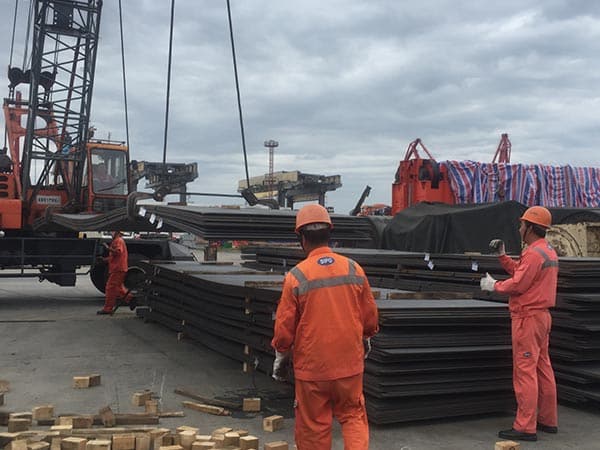
Understanding the Characteristics of S355MC Automotive Structural Steel
S355MC is a high-strength, hot-rolled steel specifically designed for cold forming, widely utilized in the automotive industry for structural components like chassis, frames, and cross members. According to the EN 10149-2 standard, this material is produced using thermomechanical rolling, which ensures a fine-grained microstructure. This process grants the steel a minimum yield strength of 355 MPa, coupled with excellent weldability and toughness. However, like most low-alloy steels, S355MC is susceptible to oxidation when exposed to moisture, oxygen, and road salts. Rust not only compromises the aesthetic appeal but can lead to catastrophic structural failure due to pitting and stress corrosion cracking.
The chemical composition of S355MC is carefully balanced to maintain its formability. Below is a typical breakdown of its alloying elements:
| Element | C (%) | Mn (%) | Si (%) | P (%) | S (%) | Al (%) | Nb (%) |
|---|---|---|---|---|---|---|---|
| Maximum Value | 0.12 | 1.50 | 0.50 | 0.025 | 0.020 | 0.015 | 0.09 |
These micro-alloying elements like Niobium (Nb) and Titanium (Ti) enhance strength without significantly increasing the carbon equivalent, which is vital for maintaining weld integrity. Despite these advantages, the absence of high Chromium or Nickel content means that S355MC lacks inherent atmospheric corrosion resistance, making robust rust removal and prevention measures essential during the manufacturing and service life of the vehicle.
Effective Rust Removal Techniques for S355MC
When S355MC steel plates or parts exhibit surface oxidation, it is imperative to remove the rust layer before any further processing, such as welding or painting. Residual rust acts as a barrier, preventing proper adhesion of coatings and causing defects in weld pools.
Mechanical Descaling and Shot Blasting: This is the most common industrial method for S355MC. High-velocity steel grit or beads are propelled at the surface to physically strip away rust and mill scale. For automotive frames, achieving a cleanliness level of Sa 2.5 (near-white metal) is standard. This process not only cleans the surface but also introduces beneficial compressive residual stresses, which can slightly improve the fatigue life of the structural components.
Chemical Pickling: For complex geometries where mechanical blasting cannot reach, chemical pickling is preferred. S355MC parts are immersed in an acidic solution, typically Hydrochloric Acid (HCl) or Sulfuric Acid (H2SO4). Inhibitors are added to the bath to ensure the acid attacks only the iron oxides and not the base metal. Following the acid bath, a neutralization step and a thorough water rinse are mandatory to prevent flash rusting. This method is highly effective for preparing large batches of small brackets or fasteners made from S355MC.
Laser Cleaning Technology: A modern, eco-friendly alternative is laser ablation. A high-intensity laser beam vaporizes the rust layer without damaging the underlying S355MC substrate. This method is precise, produces no chemical waste, and is increasingly used in high-end automotive assembly lines for localized rust removal before robotic welding.
Comprehensive Rust Prevention Strategies
Preventing rust on S355MC requires a multi-layered approach, starting from the steel mill and continuing through the vehicle's operational life. Because S355MC is often used in the underbody of vehicles, it faces the harshest environmental conditions.
Oil-Based Temporary Protection: Immediately after hot rolling or pickling at the mill, S355MC is often coated with a thin layer of rust-preventative oil. This serves as a temporary barrier during transport and storage. Manufacturers must ensure these oils are compatible with subsequent welding processes or can be easily degreased.
Cathodic Electrodeposition (E-Coating): This is the gold standard for automotive structural steel. S355MC components are submerged in a tank of water-based epoxy paint. An electric current is applied, drawing the paint particles to the steel surface, creating a uniform, dense, and highly adherent coating. E-coating provides excellent salt spray resistance and ensures that even internal cavities of a chassis frame are protected.
Hot-Dip Galvanizing (HDG): For heavy-duty vehicles or trailers using S355MC, hot-dip galvanizing offers superior protection. The steel is dipped into molten zinc at approximately 450°C. The zinc reacts with the S355MC to form a series of zinc-iron alloy layers. This provides both a physical barrier and sacrificial cathodic protection; if the coating is scratched, the zinc will corrode instead of the steel.
Influence of Surface Treatment on Mechanical Performance
It is crucial to understand how rust prevention measures affect the mechanical properties of S355MC. For instance, while hot-dip galvanizing provides excellent protection, the high temperatures involved can potentially lead to liquid metal embrittlement (LME) if the steel has high residual stresses from cold forming. Therefore, stress-relief annealing may be required before galvanizing.
| Property | Value (S355MC) | Impact of Surface Treatment |
|---|---|---|
| Yield Strength | Min 355 MPa | Minimal impact if temperature is controlled |
| Tensile Strength | 430 - 550 MPa | Generally stable |
| Elongation (A80) | Min 19% | Can be affected by hydrogen embrittlement in pickling |
During chemical pickling, there is a risk of hydrogen embrittlement. Atomic hydrogen can penetrate the grain boundaries of S355MC, leading to brittle fracture under load. To mitigate this, high-strength components are often baked at low temperatures after pickling to drive out the absorbed hydrogen.
Environmental Adaptability and Application Expansion
S355MC's versatility allows it to be used in various climates, from humid tropical regions to cold, salt-treated winter roads. The choice of rust prevention must match the specific environmental load. In coastal regions with high chloride concentrations, a combination of galvanizing and top-coating (duplex system) is recommended to extend the service life of S355MC structures beyond 20 years.
Beyond traditional passenger cars, S355MC is finding increased use in the renewable energy sector for solar tracking systems and wind turbine internal structures. In these applications, the steel is exposed to constant atmospheric moisture. Advanced Zinc-Magnesium (Zn-Mg) coatings are being adopted as they offer significantly higher corrosion resistance than standard galvanizing, allowing for thinner coatings and reduced overall weight, which aligns with the sustainability goals of modern engineering.
Design Considerations for Corrosion Control
Rust prevention for S355MC begins at the drawing board. Engineers must design components to avoid "water traps"—areas where moisture and debris can accumulate. Drainage holes should be strategically placed in box sections. Furthermore, dissimilar metal corrosion (galvanic corrosion) must be avoided. If S355MC is in contact with aluminum or stainless steel, insulating gaskets or specialized coatings are necessary to prevent the S355MC from acting as an anode and corroding rapidly.
Using Vapor Corrosion Inhibitors (VCI) during the shipping of S355MC parts is another professional-grade measure. VCI molecules sublimate from specially treated packaging and form a molecular protective layer on the steel surface, ensuring that parts arrive at the assembly plant in pristine condition, regardless of maritime humidity.
By integrating these advanced rust removal and prevention techniques, the longevity and safety of S355MC automotive structures are significantly enhanced, ensuring that the material's high-strength benefits are fully realized throughout the vehicle's lifecycle.
Leave a message