
What is the price 1.0986 weldable structural steel in Iran?
Discover the technical specifications and market pricing of 1.0986 (S500MC) weldable structural steel in Iran, including chemical composition and industrial applications.
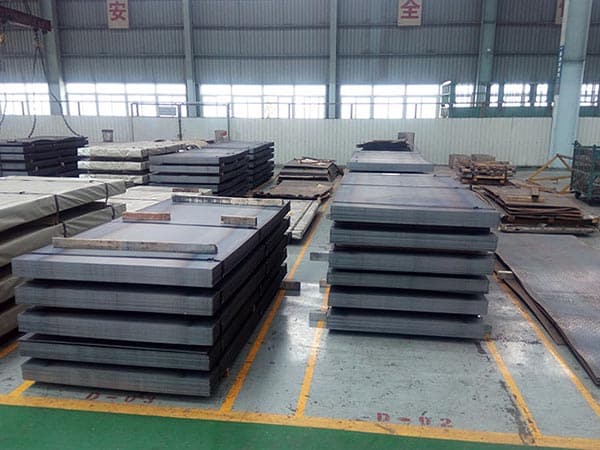
Understanding the 1.0986 Grade: High-Strength Weldable Steel
The 1.0986 steel grade, internationally recognized under the EN 10149-2 standard as S500MC, represents a pinnacle of high-yield strength, cold-forming structural steels. In the Iranian industrial landscape, this material is highly sought after for its unique combination of weight-saving potential and exceptional structural integrity. Unlike traditional carbon steels, 1.0986 is produced through a thermomechanically rolled (TMCP) process. This metallurgical technique involves controlled rolling and cooling, which refines the grain structure to a microscopic level, providing a yield strength of at least 500 MPa while maintaining excellent weldability and ductility.
Current Price Drivers for 1.0986 Steel in Iran
Determining the exact price of 1.0986 steel in Iran requires an analysis of several macroeconomic and localized factors. The Iranian steel market is influenced by the global price of iron ore and scrap, but it is also heavily impacted by domestic energy costs and currency fluctuations between the Iranian Rial (IRR) and the US Dollar. Currently, prices for high-strength low-alloy (HSLA) steels like 1.0986 are quoted based on the thickness of the plate or coil, with thinner gauges often commanding a premium due to the complexity of the rolling process. Local production by giants like Mobarakeh Steel Company (MSC) provides a baseline, but specialized grades often rely on imports, where customs duties and international logistics play a significant role in the final landed cost.
Chemical Composition and Metallurgical Excellence
The performance of 1.0986 is rooted in its precise chemical balance. By minimizing carbon content and utilizing micro-alloying elements, manufacturers achieve high strength without sacrificing the steel's ability to be welded or formed. The addition of Niobium (Nb), Vanadium (V), and Titanium (Ti) facilitates precipitation hardening and grain refinement.
| Element | Maximum Content (%) |
|---|---|
| Carbon (C) | 0.12 |
| Manganese (Mn) | 1.60 |
| Silicon (Si) | 0.50 |
| Phosphorus (P) | 0.025 |
| Sulfur (S) | 0.015 |
| Aluminum (Al) | 0.015 (min) |
| Niobium (Nb) | 0.09 |
| Vanadium (V) | 0.20 |
| Titanium (Ti) | 0.15 |
The low carbon equivalent (CEV) is particularly important for the Iranian construction and automotive sectors, as it ensures that the steel can be welded using standard methods without the risk of cold cracking, even in the diverse climatic conditions found across the Iranian plateau.
Mechanical Properties and Engineering Advantages
Engineers favor 1.0986 because it allows for the design of lighter structures without compromising safety. This is critical for mobile machinery and transportation equipment where reducing dead weight translates directly into fuel efficiency and increased payload capacity.
- Yield Strength: Minimum 500 MPa (for thicknesses ≤ 16mm).
- Tensile Strength: 550 to 700 MPa.
- Elongation: Minimum 12% to 14% depending on the direction of testing (transverse or longitudinal).
- Impact Strength: Often specified at -20°C or -40°C for demanding environments.
Weldability and Fabrication Characteristics
The 1.0986 grade is specifically designed for superior weldability. Because of its low alloy content and fine-grained structure, it does not typically require preheating or post-weld heat treatment (PWHT) for standard thicknesses. This efficiency reduces labor costs and speeds up production cycles in Iranian fabrication shops. Whether using Metal Active Gas (MAG) welding, Submerged Arc Welding (SAW), or Laser welding, 1.0986 maintains its mechanical integrity across the heat-affected zone (HAZ), provided that the heat input is carefully controlled to prevent excessive grain growth.
Cold Forming and Bending Performance
One of the standout features of S500MC / 1.0986 is its ability to be cold-formed into complex shapes. This makes it ideal for longitudinal beams, chassis frames, and cold-pressed parts. The minimum bending radius is exceptionally tight for a steel of this strength level, allowing for compact designs in heavy-duty machinery. Fabrication experts in Iran utilize this property to create streamlined components for the automotive and trailer manufacturing industries, where geometric precision is paramount.
Environmental Adaptability in the Iranian Climate
From the humid northern provinces near the Caspian Sea to the arid southern regions of the Persian Gulf, 1.0986 steel demonstrates robust environmental adaptability. While it is not a stainless grade, its fine-grained structure provides a slightly better resistance to atmospheric corrosion compared to standard S235JR steels. However, for long-term durability in corrosive environments, it is compatible with various coating systems, including hot-dip galvanizing and advanced epoxy painting, which are commonly applied in Iranian infrastructure projects.
Key Application Industries in Iran
The demand for 1.0986 steel in Iran is driven by several high-growth sectors. The automotive industry uses it for truck chassis and safety-critical components. In the energy sector, it is used for support structures in renewable energy projects and heavy-duty transport trailers for the oil and gas industry. Furthermore, the crane and lifting equipment industry relies on the high strength-to-weight ratio of 1.0986 to manufacture telescopic booms and outriggers that can handle immense loads while remaining mobile.
Strategic Procurement Advice for the Iranian Market
When sourcing 1.0986 steel in Iran, it is vital to verify the material test reports (MTRs) against the EN 10149-2 standard. Buyers should look for reputable suppliers who can provide traceability and ensure the steel has been stored correctly to prevent surface pitting. Given the volatility of the market, establishing long-term relationships with stockists in major hubs like Tehran, Isfahan, or Tabriz can provide more stable pricing and better access to specialized dimensions. Always consider the total cost of ownership, including the savings realized through reduced welding time and lower material weight, rather than focusing solely on the per-ton price.
Leave a message