
What are the main applicable ranges of S900MC automotive steel supplier
Explore the comprehensive capabilities of S900MC high-strength steel. This guide covers mechanical properties, processing techniques, and diverse industrial applications for automotive and heavy machinery sectors, helping you choose the right supplier.
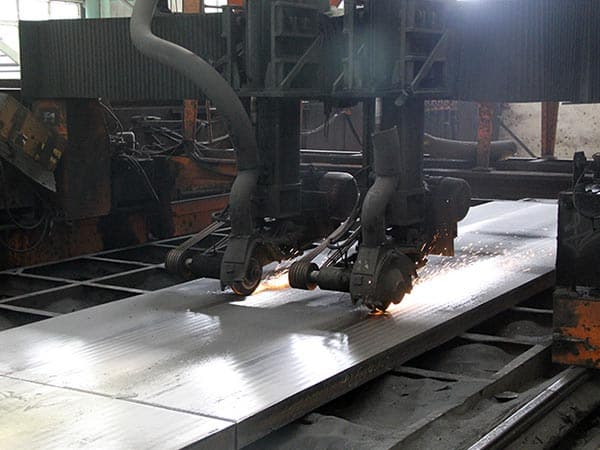
Introduction to S900MC High-Strength Steel Capabilities
In the modern engineering landscape, the drive for efficiency and weight reduction has propelled high-strength low-alloy (HSLA) steels to the forefront of material selection. S900MC, a thermomechanically rolled steel grade defined by the EN 10149-2 standard, represents a pinnacle of metallurgical achievement. With a minimum yield strength of 900 MPa, this material is engineered for cold-formed components that demand extreme load-bearing capacity without the bulk of traditional structural steels. As an automotive steel supplier focuses on delivering materials that meet stringent safety and performance criteria, understanding the nuanced applicable ranges of S900MC becomes essential for engineers and procurement specialists alike.
Metallurgical Foundation and Chemical Composition
The performance of S900MC is rooted in its precise chemical balance and the thermomechanical rolling process (M). Unlike traditional quenched and tempered steels, S900MC achieves its strength through a combination of fine-grain refinement and micro-alloying. The addition of elements such as Niobium (Nb), Vanadium (V), and Titanium (Ti) facilitates the formation of carbo-nitrides, which pin grain boundaries during processing. This results in an exceptionally fine microstructure that provides both high strength and respectable toughness.
| Element | Maximum Content (%) |
|---|---|
| Carbon (C) | 0.20 |
| Manganese (Mn) | 2.20 |
| Silicon (Si) | 0.60 |
| Phosphorus (P) | 0.025 |
| Sulfur (S) | 0.015 |
| Aluminium (Al) | 0.015 (min) |
The low carbon equivalent (CEV) is a critical factor for S900MC. It ensures that the material remains highly weldable, a rare trait for steels in the 900 MPa yield class. By minimizing carbon and relying on micro-alloying, the steel avoids the brittleness often associated with high-hardness materials, making it a versatile choice for complex structural assemblies.
Mechanical Performance and Weight Optimization
The primary applicable range of S900MC is defined by its mechanical properties. For industries where every kilogram saved translates into increased payload or reduced fuel consumption, S900MC offers a transformative solution. The yield strength of 900 MPa allows designers to reduce plate thickness significantly compared to S355 or even S700MC grades. This thickness reduction can lead to weight savings of up to 40% in structural frameworks.
- Yield Strength: Min. 900 MPa
- Tensile Strength: 930 - 1200 MPa
- Elongation (A80): Min. 7% (depending on thickness)
- Impact Toughness: Often tested at -20°C or -40°C to ensure performance in cold climates
Beyond static strength, the fatigue resistance of S900MC is noteworthy. In automotive chassis applications, where components are subjected to cyclic loading, the fine-grained structure helps inhibit crack initiation and propagation. This extends the service life of vehicles and reduces maintenance intervals, providing a long-term economic advantage for fleet operators.
Fabrication and Cold Forming Excellence
One of the most significant advantages of S900MC is its cold-forming capability. Despite its immense strength, the steel is designed to be bent and shaped without cracking. This is particularly vital for an automotive steel supplier providing material for complex frame sections and cross-members. Successful fabrication requires adherence to specific bending radii to prevent localized strain failure.
For a typical S900MC plate, the minimum recommended bending radius is generally 3 to 4 times the thickness (t) for a 90-degree bend, depending on the orientation relative to the rolling direction. It is advisable to bend transverse to the rolling direction to maximize ductility. Using high-quality precision tooling and ensuring a smooth edge finish through laser or plasma cutting can further enhance the forming process by eliminating potential stress concentrators.
Advanced Welding Characteristics
Welding S900MC requires a controlled approach to maintain the integrity of the thermomechanically processed structure. Because the strength is derived from grain refinement rather than high carbon content, the heat-affected zone (HAZ) is less prone to hardening and cold cracking than traditional high-strength steels. However, excessive heat input must be avoided to prevent grain coarsening, which could lead to a localized loss of strength.
The use of low-hydrogen welding processes, such as MAG (Metal Active Gas) with appropriate filler metals (e.g., ER110S or ER120S), is standard practice. Preheating is usually not required for thinner sections, but interpass temperature control is essential. By maintaining a low heat input (typically between 0.5 and 1.5 kJ/mm), fabricators can ensure that the weld joint retains at least 90% of the base metal's yield strength, maintaining the structural safety of the entire assembly.
Strategic Industry Applications: Automotive and Beyond
The applicable ranges for S900MC are diverse, spanning multiple high-stakes industries. While "automotive" is a primary descriptor, the scope extends to any sector requiring high-load capacity and low weight.
1. Heavy Commercial Vehicles: S900MC is used extensively in the manufacturing of truck chassis, longitudinal beams, and cross-members. By using thinner S900MC plates, manufacturers can build lighter trailers that carry heavier loads, directly impacting the profitability of logistics operations.
2. Lifting and Construction Equipment: The telescopic arms of mobile cranes and the booms of concrete pumps rely on S900MC. In these applications, the material must withstand massive bending moments while remaining light enough to maintain the vehicle's stability and reach.
3. Agricultural Machinery: Modern large-scale farming equipment, such as sprayers and seeders, utilizes S900MC for its frame components. The steel's ability to resist the vibrations and shocks of off-road operation while keeping the overall machine weight low prevents soil compaction and improves fuel efficiency.
4. Waste Management and Recycling: Refuse collection vehicles and scrap containers benefit from the high yield strength and abrasion resistance of S900MC. The material allows for thinner walls in container designs, increasing the volume of waste that can be transported per trip.
Environmental Adaptability and Durability
S900MC is designed to perform in harsh environments. Its chemical composition includes micro-alloys that improve atmospheric corrosion resistance compared to standard carbon steels. Furthermore, the material's performance at low temperatures makes it suitable for equipment operating in arctic or high-altitude conditions. The fine-grained structure ensures that the ductile-to-brittle transition temperature remains low, preventing catastrophic brittle failure during winter operations.
From a sustainability perspective, the use of S900MC contributes to a lower carbon footprint over the product lifecycle. Less steel is required to build the same structure, reducing the energy consumed during smelting and transportation. Additionally, the increased fuel efficiency of lighter vehicles leads to lower CO2 emissions during the operational phase.
Choosing the Right S900MC Automotive Steel Supplier
Selecting a supplier for S900MC involves more than just comparing prices. Given the technical complexity of the material, a reliable supplier must provide comprehensive support and quality assurance. Key factors to consider include:
- Dimensional Accuracy: High-strength steel is often used in automated robotic welding and assembly lines, requiring tight tolerances on thickness and flatness.
- Surface Quality: A clean, scale-free surface is essential for high-quality laser cutting and subsequent painting or galvanizing.
- Certification and Traceability: Every batch should come with a 3.1 or 3.2 mill test certificate, detailing the chemical composition and mechanical test results.
- Technical Expertise: A top-tier supplier should offer guidance on bending parameters, welding procedures, and material substitution to help customers optimize their designs.
By partnering with a supplier that understands the specific challenges of working with 900 MPa steel, manufacturers can minimize production risks and fully realize the benefits of this high-performance material. Whether it is optimizing a crane boom or redesigning a truck chassis, S900MC provides the structural integrity and versatility needed for the next generation of engineering challenges.
Leave a message