
What is the price of B750L structure steel for cold forming in Malaysia
Discover the current pricing factors and technical specifications of B750L structure steel for cold forming in Malaysia. This guide covers mechanical properties, chemical composition, and industry applications.
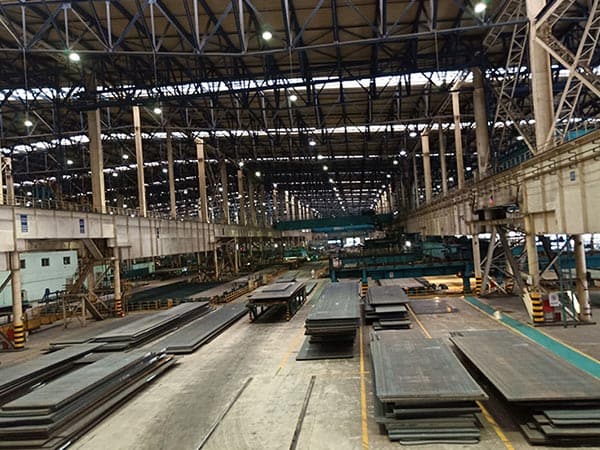
Understanding the Market Value and Technical Prowess of B750L Steel in Malaysia
When inquiring about the price of B750L structure steel for cold forming in Malaysia, it is essential to look beyond a simple numerical figure. B750L is a high-strength, low-alloy (HSLA) steel specifically engineered for demanding structural applications where weight reduction and high load-bearing capacity are paramount. In the Malaysian market, pricing is influenced by a complex interplay of global raw material costs, logistics via major ports like Port Klang or Tanjung Pelepas, and the specific technical requirements of local manufacturing sectors such as automotive assembly and heavy machinery production.
B750L belongs to a class of thermomechanically rolled steels. The "B" often signifies the manufacturer's branding (commonly associated with top-tier mills like Baosteel), while "750" denotes a minimum yield strength of 750 MPa, and "L" indicates its suitability for low-temperature environments or specific longitudinal forming characteristics. For Malaysian engineers and procurement officers, understanding the cost-to-performance ratio is critical for maintaining competitive edges in regional exports.
Mechanical Properties: The Foundation of B750L Performance
The primary driver for the adoption of B750L in Malaysia is its exceptional strength-to-weight ratio. By using B750L structure steel, manufacturers can reduce the thickness of components without sacrificing structural integrity, leading to lighter vehicles and more efficient infrastructure. The mechanical profile of this steel is characterized by high yield strength and sufficient ductility for complex cold forming operations.
| Property | Value Range (Typical) |
|---|---|
| Yield Strength (ReH) | ≥ 750 MPa |
| Tensile Strength (Rm) | 800 - 950 MPa |
| Elongation (A50mm) | ≥ 12% |
| Impact Energy (at -20°C) | ≥ 27 J (Optional specification) |
These properties ensure that the material can withstand extreme stresses while remaining flexible enough to be shaped into intricate geometries. In the context of Malaysia's tropical climate, the material's fatigue resistance is also a significant factor in long-term infrastructure projects.
Chemical Composition and Its Impact on Cold Forming
The price of B750L is also reflective of its sophisticated chemical makeup. Unlike standard carbon steels, B750L utilizes micro-alloying elements such as Niobium (Nb), Vanadium (V), and Titanium (Ti). These elements facilitate grain refinement during the thermomechanical rolling process, which is the secret behind its high strength and excellent cold forming capabilities.
- Carbon (C): Kept low (usually ≤ 0.12%) to ensure superior weldability.
- Manganese (Mn): Enhances strength and toughness through solid solution strengthening.
- Silicon (Si): Acts as a deoxidizer and contributes to strength.
- Micro-alloys (Nb, V, Ti): Provide precipitation hardening and control grain growth.
Low carbon content is particularly vital for the Malaysian automotive industry, as it allows for high-speed robotic welding without the risk of cold cracking in the heat-affected zone (HAZ).
Advanced Processing and Cold Forming Excellence
B750L is specifically designed for cold forming. This means the steel can be bent, pressed, or rolled at room temperature into complex shapes like U-beams, C-channels, or specialized automotive frame components. Its fine-grained structure prevents the "orange peel" effect or cracking during tight-radius bending.
For Malaysian fabricators, the consistency of B750L's springback characteristics is a major advantage. High-precision industries require materials that behave predictably under hydraulic presses. The controlled rolling process used to create B750L ensures that every batch delivered to a factory in Shah Alam or Penang meets strict dimensional tolerances, reducing waste and optimizing production cycles.
Environmental Adaptability and Durability in Malaysia
Malaysia's high humidity and coastal environments pose a constant threat of corrosion. While B750L is not a stainless steel, its clean chemical composition and uniform surface quality make it an excellent substrate for advanced coating technologies. Whether it is hot-dip galvanizing, electro-galvanizing, or sophisticated KTL (Cathodic Dip Painting) used in the automotive sector, B750L provides a stable surface that ensures long-term adhesion.
Furthermore, the material's toughness at various temperatures ensures that heavy-duty trailers or cranes built with B750L can operate reliably in both the heat of the Malaysian peninsula and the more varied conditions of East Malaysia's highlands. This environmental versatility adds to the long-term value, justifying the initial price of B750L structure steel.
Industry Applications Across the Malaysian Economy
The versatility of B750L has seen its adoption across multiple high-growth sectors in Malaysia. Its ability to provide structural rigidity while keeping weight low makes it a favorite for engineers focused on sustainability and fuel efficiency.
- Automotive Industry: Used for chassis members, cross-beams, and safety reinforcement parts where high energy absorption is required.
- Heavy Transportation: Essential for the manufacturing of lightweight trailers, tankers, and container chassis to increase payload capacity.
- Construction Machinery: Employed in crane booms, excavator buckets, and telescopic arms where high yield strength prevents deformation under load.
- Renewable Energy: Increasingly used in the structural frames of large-scale solar tracking systems that must withstand wind loads.
Factors Influencing B750L Pricing in Malaysia
If you are looking for the current price of B750L in Malaysia, several variables will dictate the final quote from a steel stockholder or importer. Understanding these helps in timing your procurement strategy effectively.
| Factor | Description of Impact |
|---|---|
| Global Iron Ore & Scrap Prices | Fluctuations in raw material costs at major hubs like China and Brazil directly affect the base price. | Shipping costs from major mills to Malaysian ports, including bunker fuel surcharges and port handling fees. | As steel is globally traded in USD, the strength of the Malaysian Ringgit plays a crucial role in local pricing. | Malaysian MITI regulations and anti-dumping duties on specific origins can alter the competitive landscape. |
| Order Volume & Customization | Bulk orders or specific slitting/cutting requirements will influence the per-ton rate. |
Strategic Procurement and Quality Assurance
When sourcing B750L in Malaysia, it is vital to verify the Mill Test Certificate (MTC). High-strength steels require precise processing; any deviation in the cooling rate or rolling temperature at the mill can result in a product that looks like B750L but fails during cold forming or welding. Ensure your supplier provides full traceability and complies with international standards such as EN 10149-2 or equivalent manufacturer standards.
The Malaysian steel market is sophisticated, with numerous service centers capable of providing just-in-time delivery. Choosing a partner who understands the technical nuances of cold forming B750L can save significant costs by reducing trial-and-error during the initial tooling setup. As Malaysia continues to move up the industrial value chain, the demand for high-performance structural steels like B750L is set to grow, making it a cornerstone material for the next generation of Malaysian engineering excellence.
Leave a message