
What is the scope of geometric dimension of ZQS700L plate
Explore the comprehensive geometric dimension scope, mechanical properties, and industrial applications of ZQS700L high-strength plate. Learn about thickness, width, and tolerance standards for automotive and structural engineering.
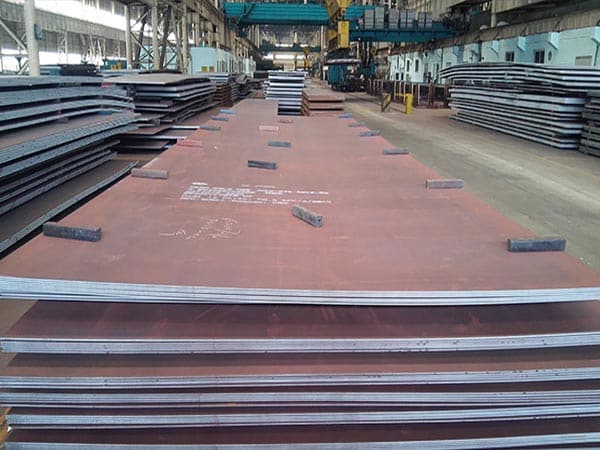
The Technical Essence of ZQS700L High-Strength Plate
ZQS700L is a high-strength, low-alloy (HSLA) structural steel specifically engineered for the automotive and heavy machinery industries. The '700' designation refers to its minimum yield strength of 700 MPa, while the 'L' indicates its suitability for cold forming and structural applications. Understanding the geometric dimension scope of ZQS700L is critical for engineers aiming to reduce vehicle weight without compromising structural integrity. This steel grade is a preferred choice for chassis components, cross members, and crane booms due to its exceptional strength-to-weight ratio.
Primary Geometric Dimension Scope: Thickness, Width, and Length
The geometric dimensions of ZQS700L plates are governed by strict industrial standards to ensure consistency during automated manufacturing processes. Typically produced via hot-rolling followed by controlled cooling or thermo-mechanical rolling (TMCP), the dimensions vary based on the specific mill's capabilities.
Thickness Range: ZQS700L is most commonly available in thicknesses ranging from 2.0 mm to 12.0 mm. Thinner gauges (2.0mm - 4.0mm) are frequently utilized in lightweight truck frames, while thicker plates (8.0mm - 12.0mm) are reserved for heavy-duty load-bearing structures. Some specialized manufacturers can extend this range up to 16.0 mm for specific industrial projects.
Width Scope: The standard width for ZQS700L hot-rolled plates and coils usually falls between 1000 mm and 1600 mm. Wider plates up to 1800 mm are available but may require specific production runs. The width is crucial for minimizing scrap during laser or plasma cutting operations.
Length Specifications: When supplied as cut-to-length plates, the standard lengths are typically 2000 mm to 12000 mm. However, many service centers offer custom leveling and shearing to meet precise project requirements, ensuring that the geometric footprint matches the assembly jig perfectly.
Dimensional Tolerances and Surface Quality
Geometric dimensions are not just about length and width; they also encompass tolerances that define the precision of the plate. For ZQS700L, tolerances usually follow standards like GB/T 709 or EN 10051.
- Thickness Tolerance: High-precision rolling ensures that thickness deviations are kept within ±0.15 mm to ±0.30 mm, depending on the nominal thickness.
- Flatness: Flatness is a critical geometric attribute for automated welding. ZQS700L plates are often required to have a flatness of less than 6mm per meter to prevent issues during robotic assembly.
- Edge Condition: Plates can be supplied with mill edges (as-rolled) or trimmed edges. Trimmed edges provide a more precise width dimension and better surface quality for edge-welding.
Mechanical Properties and Material Performance
The geometric utility of ZQS700L is backed by its formidable mechanical profile. Its ability to maintain structural shape under extreme stress is what makes it a premium material.
| Property | Value Range |
|---|---|
| Yield Strength (ReH) | ≥ 700 MPa |
| Tensile Strength (Rm) | 750 - 950 MPa |
| Elongation (A50mm) | ≥ 12% - 15% |
| Impact Energy (-20°C) | ≥ 27 J (Optional) |
The high yield strength allows for thinner geometric profiles to replace thicker, lower-grade steels (like Q355 or S355), leading to a significant reduction in overall structure weight—often by as much as 30%.
Chemical Composition and Weldability
The geometric stability of ZQS700L during fabrication is largely due to its low carbon equivalent (Ceq). By using micro-alloying elements like Niobium (Nb), Vanadium (V), and Titanium (Ti), the steel achieves high strength without the brittleness associated with high carbon content.
Weldability: ZQS700L exhibits excellent weldability. Because of its refined grain structure, it resists cold cracking in the heat-affected zone (HAZ). This allows for complex geometric joints in truck chassis construction without the need for extensive pre-heating, provided the heat input is carefully controlled.
Cold Bending and Processing Characteristics
Despite its high strength, ZQS700L is designed for cold forming. The geometric scope of parts that can be manufactured is limited only by the material's minimum bend radius. For a 90-degree bend, a typical minimum radius (R) is 1.5 to 2.0 times the thickness (t). This ductility allows for the creation of complex U-beams and C-channels used in modern automotive engineering.
During laser cutting, the clean surface and consistent geometric thickness of ZQS700L ensure high cutting speeds and minimal dross, which is essential for high-volume production lines.
Applications Across Key Industries
The specific geometric dimensions and high-strength characteristics of ZQS700L make it indispensable in several high-performance sectors:
- Commercial Vehicles: Used for truck longitudinal beams, cross members, and bumper reinforcements where weight reduction is vital for fuel efficiency.
- Construction Machinery: Ideal for crane telescopic booms, excavator components, and concrete pump arms that require high lifting capacity and low self-weight.
- Renewable Energy: Employed in the structural frames of solar tracking systems and wind turbine internal components.
- Agricultural Equipment: Used in large-scale harvesters and plow frames where durability and geometric precision are required to withstand harsh soil conditions.
Environmental Adaptability and Longevity
ZQS700L is designed to perform in diverse environmental conditions. While it is not a dedicated weathering steel, its dense surface scale and refined microstructure provide a reasonable baseline for atmospheric corrosion resistance. When paired with modern coating technologies like galvanizing or electrophoresis (ED coating), the geometric integrity of ZQS700L components can be preserved for decades, even in corrosive environments or high-vibration service conditions.
Fatigue resistance is another critical factor. The geometric design of ZQS700L parts often incorporates smooth transitions to leverage the material's high fatigue limit, ensuring that components do not develop cracks under cyclic loading during the vehicle's lifespan.
Strategic Selection Criteria for ZQS700L
When selecting ZQS700L, procurement specialists must balance geometric requirements with mechanical necessity. It is essential to verify the material's origin and certification (such as MTC - Mill Test Certificate) to ensure the chemistry and dimensions align with the design specifications. Comparing ZQS700L with international equivalents like S700MC or ASTM A1011 Grade 100 can also provide insights into global supply chain availability and potential cost-saving opportunities through geometric optimization.
Leave a message