
What is the difference between BS700MC steels for automobile structure and A36 metals?
Explore the critical differences between BS700MC high-strength automotive steel and ASTM A36 structural carbon steel. This guide covers mechanical properties, chemical composition, and industrial applications.
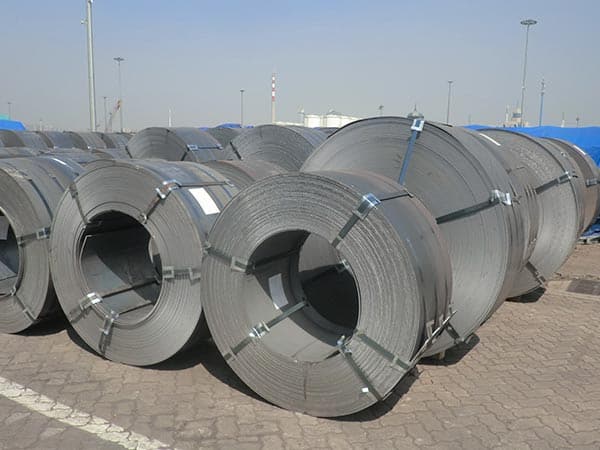
The Fundamental Divergence: High-Performance Automotive Steel vs. General Structural Carbon Steel
In the world of metallurgy and engineering, selecting the right material is a decision that dictates the safety, efficiency, and longevity of a project. When comparing BS700MC and ASTM A36, we are looking at two materials from entirely different technological eras and application philosophies. BS700MC is a high-strength, low-alloy (HSLA) steel specifically engineered for the demanding requirements of the modern automotive industry, where weight reduction and structural integrity are paramount. In contrast, ASTM A36 is the quintessential structural carbon steel, a versatile workhorse used for decades in buildings, bridges, and general fabrication. Understanding the nuances between these two involves looking beyond simple yield strength and examining their chemical architecture, processing methods, and performance under stress.
Chemical Composition and Micro-Alloying Strategies
The performance of BS700MC is a result of precise chemical engineering. Unlike standard carbon steels, BS700MC utilizes a thermomechanically rolled process combined with micro-alloying elements such as Niobium (Nb), Vanadium (V), and Titanium (Ti). These elements refine the grain structure, allowing the steel to achieve immense strength without the brittleness typically associated with high carbon content. The carbon content in BS700MC is kept remarkably low (often below 0.12%), which is essential for maintaining superior weldability and toughness.
ASTM A36, on the other hand, relies on a more traditional chemical profile. It is a basic carbon-manganese steel. While it contains small amounts of copper for corrosion resistance in certain variations, it lacks the sophisticated micro-alloying found in BS700MC. The carbon content in A36 can be as high as 0.25% to 0.29%, which provides adequate strength for static structures but limits its ability to be formed into complex shapes or to provide the high-cycle fatigue resistance required in automotive chassis.
| Element (Max %) | BS700MC (Typical) | ASTM A36 (Typical) |
|---|---|---|
| Carbon (C) | 0.12 | 0.25 - 0.29 |
| Manganese (Mn) | 2.10 | 0.80 - 1.20 |
| Silicon (Si) | 0.50 | 0.40 |
| Phosphorus (P) | 0.025 | 0.040 |
| Sulfur (S) | 0.015 | 0.050 |
| Micro-alloys (Nb, Ti, V) | Present (Combined ~0.22) | Not Specified |
Mechanical Performance: Yield Strength and Ductility
The most striking difference lies in the mechanical properties. BS700MC is named for its minimum yield strength of 700 MPa (approximately 101 ksi). This is nearly three times the yield strength of ASTM A36, which sits at a modest 250 MPa (36 ksi). This massive disparity means that an engineer can use significantly thinner sections of BS700MC to carry the same load as a much thicker piece of A36.
- Yield Strength: BS700MC (700 MPa) vs. A36 (250 MPa).
- Tensile Strength: BS700MC (750-950 MPa) vs. A36 (400-550 MPa).
- Elongation: Despite its high strength, BS700MC maintains excellent elongation (approx. 10-13% for thin gauges), allowing for cold forming. A36 offers higher elongation (20-23%), making it very forgiving for simple bending and welding in construction.
For automotive structures, the high yield-to-tensile ratio of BS700MC is a critical advantage. It allows for the creation of lightweight frames, cross-members, and suspension parts that can withstand high impact loads without permanent deformation. A36, while ductile, would require far more mass to achieve the same structural stiffness, making it unsuitable for modern vehicle efficiency standards.
Process Performance: Cold Forming and Weldability
Manufacturing efficiency is where BS700MC truly shines in an industrial setting. It is designed for cold forming, meaning it can be bent and shaped at room temperature into complex geometries without cracking. This is vital for the automated stamping and pressing lines used in car manufacturing. The fine grain structure produced by thermomechanical rolling ensures that the material behaves predictably during the bending process.
ASTM A36 is also highly workable, but its application is usually limited to simpler shapes like I-beams, channels, and plates. While it can be cold-bent, it is more commonly hot-rolled or welded into structural assemblies. In terms of welding, A36 is incredibly user-friendly due to its simple chemistry. BS700MC is also highly weldable, but it requires more precise control over heat input. Because its strength is derived from the thermomechanical process, excessive heat during welding can lead to a "softening" of the heat-affected zone (HAZ), potentially reducing the local yield strength if not managed correctly.
Environmental Adaptability and Fatigue Resistance
In the context of environmental stressors, both materials are typically used with some form of surface protection, such as galvanization or painting. However, the fatigue resistance of BS700MC is significantly superior. Automotive components are subjected to constant cyclic loading—vibrations, bumps, and torque—which can lead to fatigue failure over time. The refined microstructure of BS700MC inhibits the initiation and propagation of micro-cracks better than the coarser grain structure of A36.
Furthermore, BS700MC exhibits better low-temperature toughness. This ensures that automotive frames do not become brittle in cold climates, a factor that is less critical for a stationary building made of A36 but life-saving for a vehicle traveling at high speeds in winter conditions.
Industry Applications: Where Each Material Rules
The choice between these two steels is dictated by the design goals of the specific industry. BS700MC is the go-to choice for weight-sensitive high-load applications. This includes truck chassis, crane booms, trailer frames, and specialized automotive reinforcements. Its use directly contributes to fuel efficiency and increased payload capacity in transport sectors.
ASTM A36 remains the king of static infrastructure. Its lower cost per ton and widespread availability make it the most economical choice for projects where weight is not a primary concern. You will find A36 in the skeletons of skyscrapers, the base plates of heavy machinery, and general purpose brackets where the sheer mass of the steel provides the necessary stability.
Economic Considerations and Lifecycle Value
While BS700MC has a higher price point per kilogram compared to A36, the total cost of a project can often be lower when using high-strength steel. By utilizing BS700MC, manufacturers can reduce the total weight of the steel required by up to 40-50%. This reduction in material volume leads to lower shipping costs, less welding filler metal required, and significantly improved energy efficiency for the end-user (in the case of vehicles). A36 offers the lowest entry price, making it ideal for budget-conscious construction where the performance of HSLA steel would be over-engineered and unnecessary.
In conclusion, the difference between BS700MC and A36 is a reflection of specialized performance versus general-purpose utility. BS700MC offers the high-tech, high-strength solution needed for the mobile, high-stress world of transportation, while A36 provides the reliable, cost-effective foundation for the world's stationary infrastructure.
Leave a message