
What are the main components of s500 steel datasheet
Explore the comprehensive components of an S500 steel datasheet, including chemical composition, mechanical properties, processing guidelines, and industrial applications for high-strength engineering.
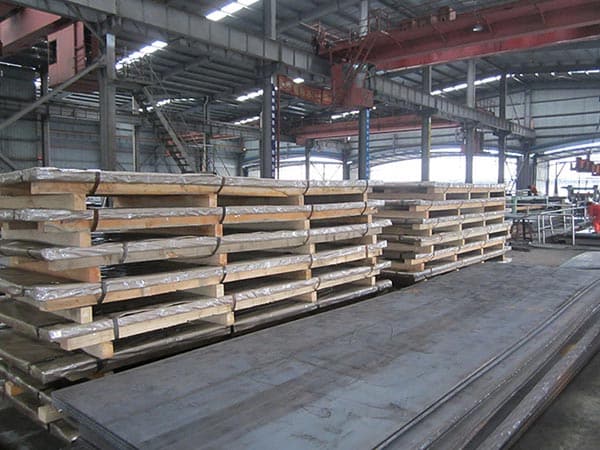
Understanding the Technical Core of S500 steel Datasheets
When engineers and procurement specialists evaluate high-strength low-alloy (HSLA) steels, the S500 steel datasheet serves as the ultimate technical blueprint. This document is not merely a list of numbers; it is a guarantee of performance, safety, and durability for complex structural projects. S500 steel, characterized by its minimum yield strength of 500 MPa, represents a critical middle ground between standard structural steels like S355 and ultra-high-strength grades like S700 or S900.
A comprehensive datasheet for S500 usually covers several variants, most notably S500MC (thermomechanically rolled for cold forming) and S500QL (quenched and tempered for heavy structural loads). Understanding the nuances within these components allows for optimized material selection, cost reduction, and enhanced structural integrity.
1. Chemical Composition and Micro-Alloying Elements
The chemical makeup is the foundation of S500's performance. Unlike lower grades, S500 relies on precise micro-alloying to achieve high strength without sacrificing weldability or toughness. The datasheet specifies maximum limits for various elements to ensure consistency.
- Carbon (C): Kept low (typically below 0.12% for S500MC) to ensure excellent weldability and prevent brittleness.
- Manganese (Mn): Acts as a primary strengthener and improves hardenability.
- Silicon (Si): Used for deoxidation and to increase yield strength.
- Niobium (Nb), Vanadium (V), and Titanium (Ti): These micro-alloys are crucial for grain refinement. Smaller grains lead to higher strength and better low-temperature toughness.
- Phosphorus (P) and Sulfur (S): Kept to absolute minimums to prevent internal defects and improve
Leave a message