
How to distinguish authenticity of EN 1.0984 EN 10149-2
Expert guide on identifying genuine EN 1.0984 (S460MC) steel under EN 10149-2. Detailed analysis of chemical composition, mechanical properties, and processing traits to ensure material integrity.
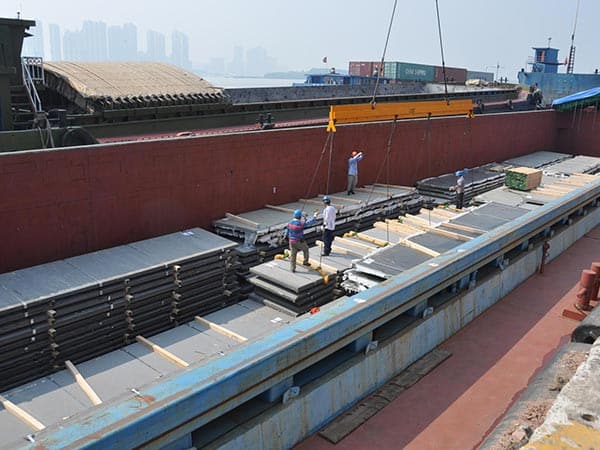
Understanding the Essence of EN 1.0984 (S460MC)
EN 1.0984, commonly known as S460MC, is a high-yield strength steel specifically designed for cold forming. Governed by the EN 10149-2 standard, this material is produced through a thermomechanically rolled (TMCP) process. Distinguishing its authenticity requires a deep dive into its metallurgical DNA, as its performance is a direct result of precise alloying and controlled cooling. Genuine EN 1.0984 is not merely a piece of carbon steel; it is a sophisticated engineering material that balances high strength with exceptional ductility.
The Chemical Fingerprint: Verifying Elemental Composition
The first step in identifying authentic EN 1.0984 is a thorough chemical analysis. The EN 10149-2 standard mandates strict limits on alloying elements to ensure weldability and formability. Unlike standard structural steels, S460MC utilizes micro-alloying elements like Niobium (Nb), Vanadium (V), and Titanium (Ti) to achieve grain refinement. If a material lacks these micro-alloys or shows high carbon content, it is likely a counterfeit or a lower-grade substitute.
| Element | Max Content (%) per EN 10149-2 | Role in Authenticity |
|---|---|---|
| Carbon (C) | 0.12 | Low carbon ensures excellent weldability and prevents brittleness. |
| Manganese (Mn) | 1.60 | Provides solid solution strengthening without compromising ductility. |
| Silicon (Si) | 0.50 | Used for deoxidation; levels above this suggest non-standard processing. |
| Phosphorus (P) | 0.025 | Strict limits prevent cold shortness and maintain toughness. |
| Sulfur (S) | 0.015 | Ultra-low sulfur is critical for lamellar tearing resistance. |
| Nb + V + Ti | 0.22 (Combined) | The presence of these confirms the TMCP grain refinement process. |
Authentic 1.0984 must show an Aluminum (Al) content of at least 0.015% to ensure fine-grain practice. If a spectral analysis reveals high levels of tramp elements or a carbon equivalent (CEV) that deviates significantly from the norm, the material's integrity is questionable.
Mechanical Performance: The Signature of Strength
The "460" in S460MC refers to its minimum yield strength of 460 MPa. However, authenticity is confirmed by the relationship between yield strength, tensile strength, and elongation. Counterfeit materials often struggle to maintain high elongation while hitting the yield target. For EN 1.0984, the elongation values are specifically tied to the thickness of the material, a detail often overlooked by substandard manufacturers.
| Property | Value (Thickness < 3mm) | Value (Thickness ≥ 3mm) |
|---|---|---|
| Min. Yield Strength (ReH MPa) | 460 | 460 |
| Tensile Strength (Rm MPa) | 520 - 670 | 520 - 670 |
| Min. Elongation (A80mm %) | 14 | - |
| Min. Elongation (A5 %) | - | 17 |
A critical test for authenticity is the bend test. Genuine EN 1.0984 must withstand a 180-degree bend over a mandrel with a diameter of 0.5 to 1.5 times the thickness (depending on direction and thickness) without cracking. If the material exhibits surface tears or brittle fracture during cold bending, it fails the EN 10149-2 criteria.
The TMCP Process: A Visual and Structural Marker
The "MC" suffix indicates thermomechanically rolled (M) and cold forming (C). This process creates a very fine ferrite-pearlite microstructure that is difficult to replicate through standard hot rolling or normalizing. Under a microscope, authentic 1.0984 displays a highly refined grain structure (ASTM grain size 10 or finer). Substandard steel often shows coarse grains, which leads to poor impact toughness at low temperatures.
Furthermore, the surface finish of TMCP steel is distinct. It typically features a tight, thin iron oxide scale that is easier to remove via pickling than the heavy scale found on conventional hot-rolled plates. Any signs of heavy pitting, laminations, or non-metallic inclusions are red flags for poor quality control.
Weldability and Processing Characteristics
One of the primary reasons engineers specify EN 1.0984 is its superior weldability. Due to its low carbon equivalent, it does not require preheating in most thickness ranges. Authentic material will maintain a narrow Heat Affected Zone (HAZ) with minimal softening. If a welding trial results in excessive hardening in the HAZ or hydrogen-induced cracking, the chemical balance of the steel is likely off-spec.
In terms of processing, S460MC is prized for its laser cutting performance. Genuine material has low internal stress due to the controlled cooling in the TMCP process. When laser cut, the parts should remain flat. If parts bow or warp significantly after cutting, it indicates high residual stresses often found in non-standard or improperly leveled plates.
Environmental Adaptability and Durability
While EN 1.0984 is not a weathering steel, its clean chemistry contributes to better corrosion resistance than basic carbon steels in mild environments. The low sulfur and phosphorus content reduce the sites for localized corrosion initiation. In heavy-duty transport applications, such as truck chassis or crane booms, the fatigue resistance of authentic S460MC is paramount. Counterfeit steels with higher inclusion counts will fail prematurely under cyclic loading, a risk that underscores the importance of sourcing certified material.
How to Verify the Mill Test Certificate (MTC)
The MTC is the most vital document for verifying authenticity. A genuine MTC for EN 1.0984 must include:
- Standard Compliance: Explicit mention of EN 10149-2 and the grade S460MC (1.0984).
- Heat Number: Traceable to the original melt.
- Rolling Condition: Must be marked as "M" (Thermomechanically rolled).
- Mechanical Results: Actual yield, tensile, and elongation values, not just "passed."
- Chemical Analysis: Detailed breakdown including micro-alloys (Nb, Ti, V).
- Manufacturer's Stamp: Validated by a recognized quality authority (e.g., CE marking, ISO 9001).
Cross-referencing the heat number on the MTC with the physical stencil or stamp on the steel plate is a mandatory step. Discrepancies in font, spacing, or the method of marking (inkjet vs. hard stamping) can often reveal a forged document.
Industry Applications: Where Authenticity is Non-Negotiable
The demand for weight reduction without sacrificing safety has made EN 1.0984 a staple in several critical industries. In the automotive sector, it is used for longitudinal beams and cross-members where high strength-to-weight ratios are essential for fuel efficiency. The lifting and mobile equipment industry utilizes S460MC for telescopic booms and frame components, where the material's high yield strength allows for thinner sections and increased payloads.
In the agricultural machinery sector, the excellent cold formability of 1.0984 allows for complex shapes in plow frames and chassis components. Using unauthentic material in these applications leads to structural failures, costly recalls, and potential safety hazards. Ensuring the material meets EN 10149-2 is not just a quality check; it is a risk management necessity.
Practical Verification Steps for Buyers
To guarantee the authenticity of EN 1.0984, procurement teams should implement a multi-step verification process. Start with a visual inspection of the surface and edges. Follow this with a handheld XRF (X-ray Fluorescence) scan to confirm the presence of Niobium and Titanium. For high-risk projects, send a sample to an independent ISO 17025 accredited laboratory for a full tensile and bend test. Finally, always source from reputable stockholders or directly from mills with a proven track record in TMCP technology. Genuine EN 1.0984 is an investment in the longevity and safety of the final structure, and its verification should never be bypassed.
Leave a message