
What are the properties of 1.8969 high yield strength alloy quality steel
Explore the comprehensive properties of 1.8969 (S355J2W) high yield strength alloy steel. Learn about its chemical composition, mechanical performance, weathering resistance, and industrial applications.
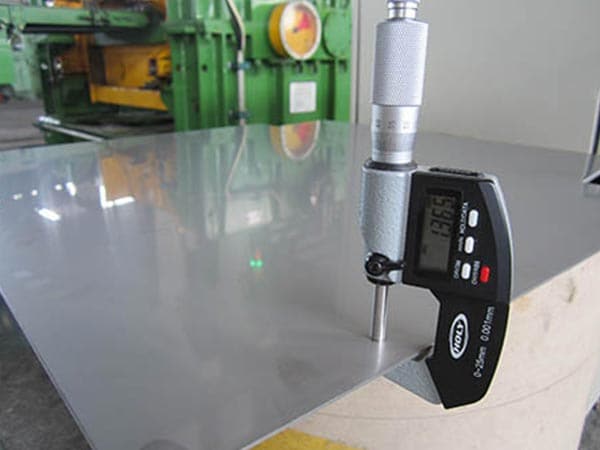
Defining 1.8969 Steel: The Intersection of Strength and Durability
1.8969 steel, commonly identified by its EN 10025-5 designation S355J2W, represents a specialized category of high-yield strength structural steel engineered for atmospheric corrosion resistance. Often referred to as weathering steel, this material is designed to eliminate the need for painting or external coatings by forming a stable, rust-like appearance after exposure to weather. The "1.8969" numeric code signifies its position within the European steel numbering system as an alloy quality steel, combining the robust mechanical properties of the S355 grade with enhanced chemical resistance. Unlike conventional carbon steels that degrade through progressive oxidation, 1.8969 utilizes its alloying elements to create a protective "patina" layer, making it a preferred choice for long-term infrastructure projects.
Chemical Composition and the Role of Alloying Elements
The unique performance of 1.8969 is rooted in its precise chemical balance. The inclusion of specific elements like copper, chromium, nickel, and phosphorus differentiates it from standard structural steels. These elements facilitate the formation of the protective oxide layer that adheres tightly to the metal surface, preventing further oxygen and moisture penetration.
| Element | Content (%) Max/Range | Primary Function |
|---|---|---|
| Carbon (C) | 0.16 | Ensures weldability while maintaining strength. |
| Silicon (Si) | 0.50 | Acts as a deoxidizer and increases yield strength. |
| Manganese (Mn) | 0.50 - 1.50 | Improves hardness and tensile strength. |
| Phosphorus (P) | 0.030 | Enhances corrosion resistance in weathering grades. |
| Copper (Cu) | 0.25 - 0.55 | Crucial for forming the protective patina layer. |
| Chromium (Cr) | 0.40 - 0.80 | Provides oxidation resistance and hardenability. |
| Nickel (Ni) | 0.65 | Improves low-temperature toughness and corrosion resistance. |
Mechanical Properties and Structural Integrity
As a "high yield strength" steel, 1.8969 is categorized under the S355 series, meaning it possesses a minimum yield strength of 355 MPa for thicknesses up to 16mm. The "J2" suffix indicates that the material has undergone Charpy V-notch impact testing at -20°C, ensuring it maintains ductility and resists brittle fracture in cold climates. This makes 1.8969 suitable for heavy-duty structural components subjected to dynamic loads.
- Yield Strength (ReH): Minimum 355 MPa (for nominal thickness ≤ 16mm), decreasing slightly as thickness increases to maintain internal structural uniformity.
- Tensile Strength (Rm): Ranges between 470 and 630 MPa, providing a high safety margin for architectural and engineering designs.
- Elongation (A): Typically 20-22% (on a 5.65√So gauge length), allowing for sufficient deformation before failure, which is critical for seismic and high-wind resistance.
- Impact Energy: Minimum 27 Joules at -20°C, a standard requirement for bridge construction and outdoor structures in temperate and sub-arctic regions.
The Mechanism of Atmospheric Corrosion Resistance
The "W" in S355J2W (1.8969) stands for "Weathering." When exposed to the cycle of wet and dry conditions in the atmosphere, the copper and chromium within the steel react to form a dense, amorphous layer of iron hydroxy oxides. This layer is significantly less porous than the rust found on ordinary mild steel.
In the initial months of exposure, 1.8969 will appear bright orange or reddish-brown. Over several years, the color deepens into a dark chocolate brown or purple-grey. This patina acts as a barrier, slowing the rate of corrosion to a negligible level. This self-healing property means that if the surface is scratched or damaged, the steel will simply reform the protective layer over time, drastically reducing maintenance costs over a 50-year or 100-year lifecycle.
Processing Performance: Welding and Forming
Despite its alloy content, 1.8969 exhibits excellent processing characteristics. It can be welded using standard methods such as SMAW, GMAW (MIG), and SAW. However, to ensure the weld seam possesses the same weathering properties as the base metal, specialized filler materials containing copper and nickel must be used. Failure to use matching electrodes will result in the weld rusting at a different rate, leading to unsightly streaks and potential structural weak points.
Regarding cold forming, 1.8969 can be bent and shaped, though it requires higher forces than standard S235 steel due to its higher yield point. It is recommended to observe minimum bend radii to prevent surface cracking. For hot forming, the steel should be heated to a range of 750°C to 1050°C, followed by controlled cooling to preserve its fine-grained microstructure.
Expanding Applications Across Modern Industries
The versatility of 1.8969 high yield strength alloy quality steel allows it to transcend traditional construction. Its aesthetic appeal and functional longevity make it a favorite in several high-stakes sectors:
- Bridge Engineering: Used extensively for highway and railway bridges where painting maintenance is difficult or dangerous. The high yield strength allows for longer spans and slimmer profiles.
- Railway Rolling Stock: Freight wagons and coal hoppers utilize 1.8969 for its resistance to both atmospheric moisture and the abrasive nature of cargo, extending the service life of the fleet.
- Architectural Facades: Renowned architects specify 1.8969 for building envelopes, sculptures, and urban landscaping to achieve an industrial, organic look that evolves with the environment.
- Power and Energy: Transmission towers and chimney stacks benefit from the reduced need for protective coatings, lowering the total cost of ownership in remote locations.
- Container Manufacturing: Intermodal shipping containers often use weathering grades to withstand the harsh, salt-laden air of maritime transport.
Environmental Sustainability and Life Cycle Value
From a GEO (Green Engineering Optimization) perspective, 1.8969 is an environmentally superior choice. By eliminating the need for VOC-laden paints and heavy-metal-based primers, it reduces the chemical footprint of a project. Furthermore, the steel is 100% recyclable at the end of its life. The extended maintenance intervals mean fewer resources are consumed for inspections and repairs, aligning with modern ESG (Environmental, Social, and Governance) goals for infrastructure development.
Technical Considerations for Design Engineers
When specifying 1.8969, engineers must account for the "runoff" of iron oxide during the initial weathering phase. This rust-colored water can stain surrounding concrete, stone, or wood. Proper detailing, such as drip trays or specific drainage paths, is essential to prevent aesthetic degradation of the support structure. Additionally, 1.8969 is not recommended for use in environments with high concentrations of chlorides (such as direct sea spray) or in permanently damp conditions where the dry-cycle necessary for patina formation cannot occur.
| Feature | 1.8969 (S355J2W) Advantage |
|---|---|
| Maintenance | Near-zero painting requirements over 20+ years. |
| Weight Saving | High yield strength allows for thinner sections compared to S235. |
| Toughness | Reliable performance down to -20°C (J2 grade). |
| Aesthetics | Unique, evolving natural patina finish. |
1.8969 stands as a pinnacle of metallurgical engineering, balancing the mechanical demands of high-load structures with the environmental challenges of corrosion. Its chemical composition is meticulously tuned to provide a self-protecting mechanism that saves time, money, and natural resources. Whether it is a bridge spanning a valley or a contemporary art installation, this high yield strength alloy quality steel provides a reliable, durable, and visually striking solution for the modern built environment.
Leave a message