
What are the S355MC, S500MC, S550MC steel advantages
A comprehensive analysis of S355MC, S500MC, and S550MC steel advantages, covering mechanical properties, cold forming, weldability, and weight reduction benefits for industrial applications.
The Evolution of High-Strength Low-Alloy Steels: Understanding the MC Series
The demand for modern engineering materials that combine high strength with exceptional formability has led to the widespread adoption of thermomechanically rolled steels. Specifically, the grades defined under the EN 10149-2 standard—S355MC, S500MC, and S550MC—represent a pinnacle of metallurgical efficiency. These steels are not merely structural components; they are engineered solutions designed to address the dual challenges of weight reduction and structural integrity. The "S" denotes structural steel, while the "MC" suffix signifies that the material is thermomechanically rolled (M) and intended for cold forming (C). This unique processing route creates a fine-grained microstructure that distinguishes these grades from traditional hot-rolled structural steels like s355jr.
Superior Mechanical Properties and Yield Strength Optimization
The primary advantage of moving from S355MC to S500MC and S550MC lies in the significant leap in yield strength. S355MC offers a minimum yield strength of 355 MPa, which is already a substantial baseline for many structural applications. However, as we transition to S500MC (500 MPa) and S550MC (550 MPa), the load-bearing capacity increases dramatically without a proportional increase in material thickness. This strength-to-weight ratio is the cornerstone of modern chassis and crane design. By utilizing S550MC, engineers can often reduce the thickness of a component by 20% to 30% compared to standard S355 grades while maintaining the same safety factors. This thinning of the material does not just save raw material costs; it ripples through the entire supply chain, reducing transportation fuel consumption and increasing the payload capacity of the finished vehicle.
The Metallurgy of Thermomechanical Rolling (TMCP)
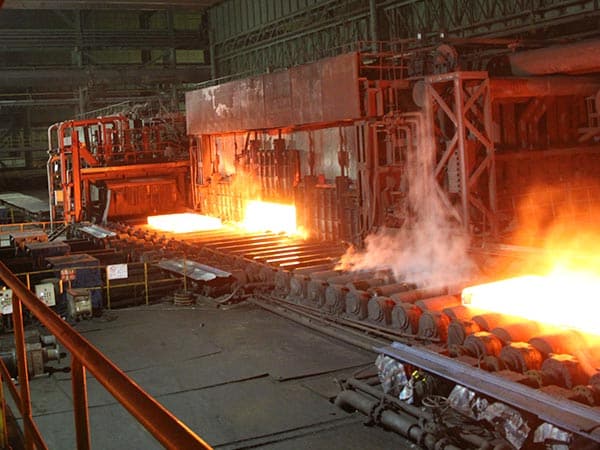
The secret behind the performance of S355MC, S500MC, and S550MC is the Thermomechanical Control Process (TMCP). Unlike traditional heat treatment, TMCP involves precise control of the rolling temperature and the cooling rate. By adding micro-alloying elements such as Niobium (Nb), Vanadium (V), and Titanium (Ti), the steel achieves a refined grain structure. These elements pin the grain boundaries during the rolling process, preventing grain growth and resulting in a much tougher and stronger matrix. This fine-grain structure is the reason why these steels exhibit excellent impact toughness even at low temperatures, making them reliable for equipment operating in harsh, cold environments. The consistency of this microstructure ensures that the mechanical properties are uniform across the entire plate or coil, which is critical for automated manufacturing processes.
Exceptional Cold Forming and Bending Performance
Despite their high strength, the "C" in their designation guarantees that these steels are optimized for cold forming. One of the most significant advantages of S500MC and S550MC is their ability to be bent into complex shapes without cracking. Traditional high-strength steels often suffer from brittleness, but the low carbon content and fine grain size of the MC series allow for tight bending radii. For instance, S355MC can typically be bent with a radius as small as 0.5 to 1 times the thickness, while even the much stronger S550MC maintains impressive ductility. This allows manufacturers to replace multi-part welded assemblies with single, cold-formed components. Reducing the number of welds not only lowers labor costs but also eliminates potential points of fatigue failure, enhancing the overall lifespan of the product.
Weldability: The Low Carbon Advantage
Weldability is a non-negotiable requirement in modern fabrication, and the S355MC-S550MC series excels here due to its low Carbon Equivalent (CEV). Traditional structural steels often require preheating to prevent cold cracking in the heat-affected zone (HAZ). However, because these HSLA (High-Strength Low-Alloy) steels achieve their strength through grain refinement rather than high carbon or alloy content, they can be welded using standard methods (MIG/MAG, TIG, Laser) without extensive pre- or post-weld heat treatment. This simplifies the production line and reduces energy consumption. The HAZ in S500MC and S550MC remains relatively stable, ensuring that the welded joint retains a high percentage of the base metal's strength, which is vital for safety-critical components like truck frames and lifting booms.
Weight Reduction and Economic Efficiency
The economic advantages of S355MC, S500MC, and S550MC extend beyond the initial purchase price. In the transport industry, every kilogram saved in the chassis translates directly into increased payload or improved fuel efficiency. This is often referred to as "lightweighting." When a manufacturer switches from S355MC to S500MC, the reduction in plate thickness leads to lower welding wire consumption, shorter welding times, and easier handling within the factory. Furthermore, the environmental footprint of the end product is reduced. In the context of global sustainability goals, the ability to build lighter, more efficient machinery is a powerful competitive advantage. The total cost of ownership (TCO) for equipment built with S550MC is often significantly lower when factoring in fuel savings and increased operational life.
Technical Specification Comparison
| Grade | Min. Yield Strength (MPa) | Tensile Strength (MPa) | Min. Elongation (%) | Typical Applications |
|---|---|---|---|---|
| S355MC | 355 | 430 - 550 | 19 - 23 | Car parts, structural tubes, light shelving |
| S500MC | 500 | 550 - 700 | 12 - 14 | Truck chassis, heavy-duty trailers, agricultural machinery |
| S550MC | 550 | 600 - 760 | 12 | Crane booms, lifting equipment, telescopic arms |
Surface Quality and Fatigue Resistance
The production process for S355MC through S550MC typically results in a very clean surface with minimal scale. This is advantageous for subsequent processing steps such as laser cutting, painting, or galvanizing. A smooth surface finish is not just aesthetic; it plays a critical role in fatigue resistance. Micro-cracks often initiate at surface irregularities. By providing a consistent and smooth surface, these steels offer better resistance to the cyclic loading found in dynamic applications like vehicle suspensions and moving crane parts. The combination of high yield strength and high fatigue strength ensures that structures can withstand millions of load cycles without catastrophic failure.
Expanding Industry Applications
The versatility of these grades has led to their adoption in sectors far beyond simple construction. In the renewable energy sector, S500MC is used for the structural supports of solar tracking systems, where wind resistance and weight are critical factors. In the waste management industry, the high strength of S550MC allows for the design of larger, lighter refuse collection bodies that can carry more waste per trip. The agricultural sector utilizes these steels for plow frames and harvester components that must endure high stress while remaining light enough to prevent soil compaction. As manufacturing technology evolves, the ability to laser cut these high-strength plates with extreme precision further opens doors for intricate designs that were previously impossible with lower-grade steels.
Strategic Material Selection
Choosing between S355MC, S500MC, and S550MC requires a balanced view of design requirements and manufacturing capabilities. While S550MC offers the highest strength, it also requires more attention to springback during bending and slightly more sophisticated welding parameters. S355MC remains the workhorse for general structural needs where extreme weight saving is not the primary driver. However, the trend toward S500MC as the new standard for industrial equipment is clear. By leveraging the specific advantages of each grade—be it the extreme formability of S355MC or the incredible strength-to-weight ratio of S550MC—engineers can create products that are stronger, lighter, and more cost-effective. The transition to these high-performance steels is a fundamental step for any manufacturer looking to lead in an increasingly resource-conscious global market.
Leave a message