
How to protect B750L plate zero cut from crack
Master the techniques to prevent cracking in B750L high-strength steel plates during zero-cut processing. This expert guide covers material properties, preheating, and cutting optimization.
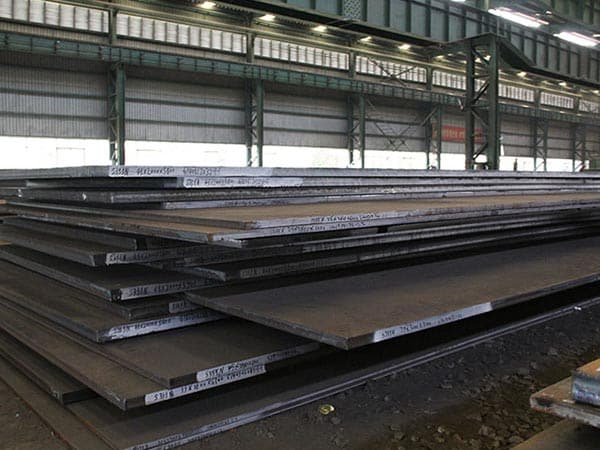
The Critical Nature of B750L High-Strength Steel Processing
B750L is a high-strength, low-alloy (HSLA) structural steel renowned for its exceptional yield strength and weight-saving capabilities. Predominantly used in the manufacturing of heavy-duty truck frames, crane booms, and construction machinery components, B750L offers a yield strength of at least 750 MPa. However, the very characteristics that make it desirable—its high strength and specific micro-alloying elements—also make it sensitive to thermal processing. When performing 'zero cut' operations (custom-sized precision cutting), the risk of edge cracking becomes a significant concern for engineers and fabricators. Protecting the integrity of the cut edge is not merely an aesthetic requirement; it is a structural necessity to prevent catastrophic failure under dynamic loads.
Understanding the Root Causes of Cracking in B750L
Cracking in B750L during or after cutting is typically attributed to two primary phenomena: Hydrogen-Induced Cracking (HIC) and Thermal Stress Cracking. High-strength steels have a higher carbon equivalent (Ceq) compared to mild steels, which increases their hardenability. During thermal cutting processes like laser, plasma, or flame cutting, the material at the edge reaches melting temperatures and then cools rapidly. This rapid cooling transforms the microstructure into martensite, a hard but brittle phase. If hydrogen atoms are present—often from moisture in the air, rust, or cutting gases—they can migrate into these brittle zones, creating internal pressure that leads to delayed cracking.
Furthermore, 'zero cut' pieces are often smaller or have complex geometries. These smaller sections accumulate heat differently than large plates. The concentrated thermal input creates a steep temperature gradient between the cut edge and the cold core of the plate, resulting in significant residual tensile stresses. If these stresses exceed the material's local fracture toughness, micro-cracks will initiate at the edge and propagate inward.
Optimizing Cutting Parameters for Crack Prevention
The choice of cutting technology plays a pivotal role in maintaining the structural integrity of B750L. While oxygen-fuel cutting is common for thick plates, it introduces the largest Heat Affected Zone (HAZ). For B750L, Fiber Laser Cutting is often preferred due to its high energy density and narrow HAZ. To minimize crack risk, the following parameters must be strictly controlled:
- Cutting Speed: Maintaining an optimal speed ensures that heat input is minimized. If the speed is too slow, excessive heat builds up, widening the HAZ.
- Gas Purity: Using high-purity nitrogen as a shielding gas can prevent oxidation and reduce the risk of hydrogen absorption compared to using compressed air.
- Nozzle Distance: Consistent standoff distance ensures a stable plasma arc or laser focus, preventing localized overheating.
| Cutting Method | HAZ Width (mm) | Crack Risk Level | Recommended Application |
|---|---|---|---|
| Oxy-Fuel | 3.0 - 5.0 | High | Thick plates (>40mm) with preheating |
| Plasma | 0.5 - 2.0 | Medium | General structural components |
| Fiber Laser | 0.1 - 0.5 | Low | Precision zero-cuts and thin sections |
| Waterjet | ~0 | Negligible | Highest safety for critical stress parts |
The Essential Role of Preheating and Post-Heating
For B750L plates exceeding a certain thickness (typically 12mm or more), preheating is the most effective defense against cracking. Preheating reduces the cooling rate of the HAZ, preventing the formation of excessive martensite and allowing hydrogen to escape the lattice more easily. The preheating temperature should be uniform across the cutting line, typically ranging between 100°C and 150°C for B750L, depending on the plate thickness and ambient temperature.
Post-heating, or Stress Relieving, is equally vital for critical components. By heating the 'zero cut' piece to approximately 200°C immediately after cutting and allowing it to cool slowly under an insulation blanket, the residual stresses are significantly lowered. This 'slow cooling' process is a standard industrial practice to ensure that the transition between the base metal and the cut edge is gradual and stable.
Edge Finishing and Mechanical Treatment
Even with perfect cutting parameters, the edge of a B750L plate remains the most vulnerable point. The 'zero cut' edge often contains microscopic striations or 'dross' that act as stress concentrators. To fully protect the plate, mechanical grinding is recommended. Removing approximately 1-2mm of the cut edge effectively eliminates the most brittle part of the HAZ. This process smooths out surface irregularities and removes any micro-fissures that may have formed during the thermal cycle.
Applying a radius or chamfer to the edges is another professional technique. Sharp 90-degree corners are notorious for initiating cracks under load. By rounding the edges of the B750L zero-cut, the stress distribution becomes more uniform, drastically increasing the fatigue life of the component.
Environmental Management and Storage
Protecting B750L starts before the first cut is made. High-strength steel plates should be stored in a dry, temperature-controlled environment. Surface moisture or rust acts as a direct source of hydrogen during the cutting process. If a plate has been stored in a cold warehouse, it must be allowed to reach shop temperature before processing to prevent condensation. During the 'zero cut' process, ensuring the cutting bed is dry and free from oil contaminants will further reduce the chemical triggers for cracking.
By integrating these metallurgical insights with disciplined workshop practices, fabricators can ensure that B750L zero-cut pieces maintain their high-performance characteristics without the risk of brittle failure. The synergy of low heat input, controlled cooling, and mechanical finishing transforms a sensitive high-strength material into a reliable cornerstone of modern engineering.
Leave a message