
What are the top ten S900MC steel for car axle suppliers in Nigeria
Discover the best sources for S900MC high-strength steel for car axles in Nigeria. This guide covers mechanical properties, processing tips, and top supplier profiles for the Nigerian automotive industry.
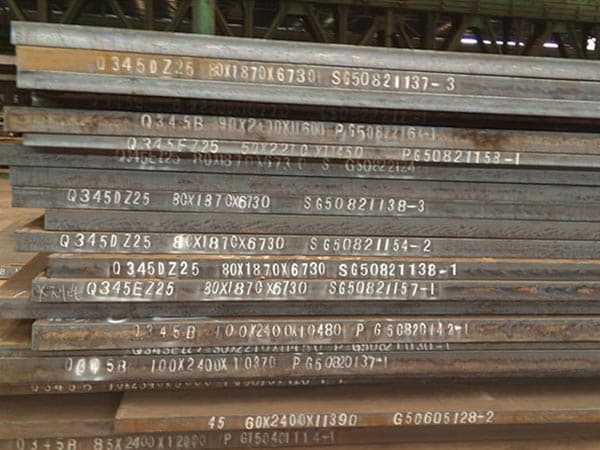
The Strategic Importance of S900MC Steel in Nigeria's Automotive Evolution
Nigeria's transport and logistics sectors are undergoing a massive transformation. As the demand for heavy-duty haulage and local vehicle assembly grows, the material requirements for critical components like car axles have shifted toward high-performance alloys. S900MC steel, a thermomechanically rolled high-strength low-alloy (HSLA) steel, stands at the forefront of this shift. This material offers an exceptional strength-to-weight ratio, allowing Nigerian manufacturers to build axles that are lighter yet more durable than traditional carbon steel alternatives.
Finding reliable suppliers for S900MC in Nigeria requires an understanding of both the global supply chain and the local distribution network. Because S900MC is a specialized grade, it is often imported from Tier-1 global mills and distributed through specialized metal centers in industrial hubs like Lagos, Port Harcourt, and Kano. Selecting the right supplier is not just about price; it is about ensuring the material can withstand the unique environmental and operational stresses of West African roads.
Technical Profile: Why S900MC is the Gold Standard for Axles
The performance of a car axle is determined by its ability to handle torsional stress, fatigue, and impact loads. S900MC is engineered specifically for these challenges. Unlike standard structural steels, S900MC undergoes a controlled rolling process that refines its grain structure, resulting in a yield strength of at least 900 MPa.
Mechanical Properties Overview:
| Property | Value (Typical) | Benefit for Car Axles |
|---|---|---|
| Yield Strength (ReH) | Min. 900 MPa | Prevents permanent deformation under heavy loads. |
| Tensile Strength (Rm) | 930 - 1200 MPa | Ensures the axle won't snap under extreme tension. |
| Elongation (A5) | Min. 7% - 10% | Provides enough ductility for cold forming and safety. |
| Impact Strength | 27J at -20°C / -40°C | Resists brittle fracture in varying climates. |
The chemical composition of S900MC is strictly controlled, with very low carbon content (usually below 0.15%) and micro-alloying elements such as Niobium (Nb), Vanadium (V), and Titanium (Ti). This specific chemistry ensures that the steel remains weldable and formable despite its immense strength.
Top Ten S900MC Steel Supply Channels for the Nigerian Market
Identifying the top suppliers involves looking at international manufacturers who have a strong presence in Nigeria through authorized distributors or direct project supply chains. Here are the primary entities and channels currently dominating the S900MC supply for Nigerian car axle production:
- 1. SSAB (Strenx Brand): Known globally for their Strenx 900 series, SSAB provides the highest quality S900MC. They operate through specialized distributors in Nigeria who cater to the heavy transport and mining sectors.
- 2. ArcelorMittal Projects Nigeria: As one of the world's largest steelmakers, ArcelorMittal supplies high-strength automotive grades directly to large-scale Nigerian assembly plants and through their regional distribution networks.
- 3. ThyssenKrupp Materials Services: ThyssenKrupp is a major exporter of German-engineered HSLA steels to West Africa. Their S900MC (N-A-XTRA or equivalent) is favored for its consistent thickness tolerances.
- 4. Baosteel (China) via Nigerian Stockists: Baosteel produces high-grade S900MC that is increasingly popular in Nigeria due to its competitive pricing and compliance with international standards like EN 10149-2.
- 5. African Industries Group (AIG): While primarily a local manufacturer, AIG acts as a massive procurement hub for specialized steels, leveraging their logistics network to bring in S900MC for large industrial clients.
- 6. Voestalpine High Performance Metals: This Austrian supplier focuses on niche, high-end steel grades. Their S900MC is often used in high-performance axle components for specialized Nigerian fleet vehicles.
- 7. Tata Steel (UK/Netherlands): Tata provides high-strength strip products that are ideal for axle housing and chassis components, often imported through Lagos-based metal trading houses.
- 8. JFE Steel Corporation: Japanese S900MC is renowned for its purity and surface finish. Many Nigerian automotive engineers prefer JFE when precision welding is required.
- 9. POSCO Nigeria: South Korean steel giant POSCO supplies high-strength automotive sheets to several global car brands that have assembly operations within Nigeria.
- 10. Universal Steels Limited: A prominent local distributor that bridges the gap between global mills and local fabricators, offering cutting and logistics services for S900MC plates and coils.
Processing S900MC: Best Practices for Axle Fabrication
Using S900MC steel requires a different approach than working with mild steel. Because the strength is derived from the thermomechanical rolling process, excessive heat can soften the material, leading to a loss of mechanical properties in the Heat Affected Zone (HAZ).
Welding Considerations: When welding S900MC for axles, it is critical to use low heat input methods. Gas Metal Arc Welding (GMAW) with appropriate high-strength filler wires is recommended. Preheating is generally not required for thinner sections, which is a major advantage in the Nigerian manufacturing environment where energy costs are high. However, interpass temperatures must be strictly monitored to prevent the grain structure from coarsening.
Cold Forming and Bending: S900MC is designed for cold forming. For axle housings, the steel can be bent to tight radii, provided the supplier's minimum bending radius guidelines are followed. Typically, for S900MC, the bending radius should be at least 3 to 4 times the plate thickness to avoid surface cracking. Using high-quality hydraulic presses ensures that the springback, which is more significant in 900 MPa steel than in lower grades, is accurately compensated for.
Environmental Adaptability in the Nigerian Context
Nigeria's climate ranges from the humid tropical south to the arid north. Steel used in axles must resist atmospheric corrosion and the abrasive nature of unpaved roads. S900MC’s low-alloy content provides a degree of natural corrosion resistance compared to plain carbon steel, but for long-term durability in coastal regions like Lagos or Port Harcourt, protective coatings are essential.
Furthermore, the fatigue resistance of S900MC is a critical factor. Nigerian roads often subject vehicles to high-frequency vibrations and sudden shocks from potholes. The fine-grained structure of S900MC prevents the rapid propagation of fatigue cracks, ensuring that car axles have a longer service life and reducing the total cost of ownership for fleet operators.
How to Verify S900MC Quality from Nigerian Suppliers
The risk of counterfeit or sub-standard steel is a reality in any growing market. When sourcing S900MC in Nigeria, buyers must insist on rigorous verification. Every batch of steel should come with a Mill Test Certificate (MTC) according to EN 10204 3.1. This document tracks the chemical heat analysis and the mechanical test results of the specific batch.
Additionally, look for suppliers who offer ultrasonic testing (UT) to ensure there are no internal laminations or defects. Since axles are safety-critical components, the integrity of the steel is non-negotiable. Reputable suppliers in Nigeria will also be able to provide traceability, linking the plate or coil in their warehouse back to the original furnace melt at the global mill.
The Economic Impact of High-Strength Steel on Local Manufacturing
By adopting S900MC, Nigerian axle manufacturers can reduce the weight of a vehicle's unsprung mass. This leads to better fuel efficiency and higher payload capacities. In a market where fuel prices are a significant operational cost, the move to S900MC is not just a technical upgrade but a vital economic strategy. Suppliers who can provide consistent stock of S900MC are enabling the local automotive industry to compete with imported pre-built vehicles, fostering local job creation and technical expertise in the metallurgical sector.
Leave a message