
What grade is equal to the HR coil Q235 pickled steel coil
A comprehensive guide comparing Q235 pickled steel coils with international standards like ASTM A36, S235JR, and SS400, covering mechanical properties, chemical composition, and industrial benefits.
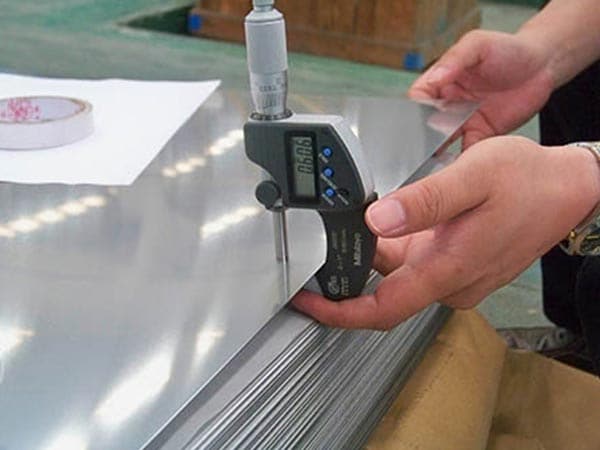
Understanding the Q235 Pickled Steel Coil Specification
The Q235 grade is a cornerstone of the Chinese steel standard GB/T 700. It represents a carbon structural steel characterized by its versatility, weldability, and balanced mechanical properties. When this material undergoes the pickling process, it is transformed into Hot Rolled Pickled and Oiled (HRPO) steel. Pickling involves passing the hot-rolled coil through an acid bath—typically hydrochloric acid—to remove the dark oxide scale (fire scale) formed during the high-temperature rolling process. The result is a clean, smooth, and silver-grey surface that is subsequently oiled to prevent oxidation and corrosion.
Identifying the international equivalents for Q235 pickled steel is essential for global procurement and engineering design. Because different regions follow distinct standardizing bodies, such as ASTM in the United States, EN in Europe, and JIS in Japan, finding the right match requires a deep dive into chemical composition and mechanical thresholds rather than just a name-to-name comparison.
Global Equivalents for Q235 Pickled Steel
When searching for a material that matches the performance of a Q235 pickled coil, several international grades emerge as the primary substitutes. Each has slight nuances in its metallurgical makeup but serves the same structural and industrial purposes.
- ASTM A36 (United States): Perhaps the most common equivalent, ASTM A36 is a standard for carbon structural steel. While A36 is slightly more stringent regarding its silicon content and yield strength in thicker sections, it is the go-to substitute in the North American market.
- S235JR (Europe - EN 10025-2): The 'S' stands for structural steel, and '235' refers to the minimum yield strength of 235 MPa. The 'JR' suffix indicates that the steel has been impact-tested at room temperature (20°C). This is the direct European counterpart to Q235B.
- SS400 (Japan - JIS G3101): SS400 is widely used throughout Asia. Unlike Q235, which is categorized by its yield point, SS400 is categorized by its tensile strength (400-510 MPa). However, in practical application, they are nearly interchangeable.
- St37-2 (Germany - DIN 17100): Although largely superseded by the EN 10025 standards, St37-2 remains a frequent reference point in older engineering drawings and specific industrial sectors.
Chemical Composition Comparison
The performance of Q235 pickled steel is dictated by its chemistry. The low carbon content ensures excellent weldability, while the addition of manganese improves strength and hardness without sacrificing ductility. Below is a comparison of the chemical requirements for Q235 and its closest peers.
| Grade | Carbon (C) % | Manganese (Mn) % | Silicon (Si) % | Phosphorus (P) % | Sulfur (S) % |
|---|---|---|---|---|---|
| Q235B | ≤ 0.20 | 0.35 - 0.80 | ≤ 0.35 | ≤ 0.045 | ≤ 0.045 |
| ASTM A36 | ≤ 0.26 | - | ≤ 0.40 | ≤ 0.040 | ≤ 0.050 |
| S235JR | ≤ 0.17 | ≤ 1.40 | - | ≤ 0.035 | ≤ 0.035 |
| SS400 | - | - | - | ≤ 0.050 | ≤ 0.050 |
Note that ASTM A36 does not specify a minimum manganese content for shapes and bars under a certain thickness, whereas Q235 maintains a specific range to ensure consistent internal structure. S235JR allows for higher manganese, which can slightly improve the toughness of the steel compared to standard Q235.
Mechanical Properties and Performance
For engineers, the mechanical values are the most critical factors. Q235 is named for its yield strength of 235 MPa (for thicknesses ≤ 16mm). As the thickness of the steel increases, the yield strength slightly decreases due to the grain structure formed during cooling.
| Grade | Yield Strength (MPa) | Tensile Strength (MPa) | Elongation (%) |
|---|---|---|---|
| Q235 | ≥ 235 | 370 - 500 | ≥ 26 |
| ASTM A36 | ≥ 250 | 400 - 550 | ≥ 20 |
| S235JR | ≥ 235 | 360 - 510 | ≥ 26 |
| SS400 | ≥ 245 | 400 - 510 | ≥ 21 |
The pickled surface of these coils adds a layer of performance that standard hot-rolled steel lacks. By removing the abrasive scale, the steel becomes much easier on fabrication tools. For instance, in stamping or roll-forming operations, the absence of scale reduces die wear significantly, extending the lifespan of expensive machinery.
The Technical Advantages of the Pickling Process
Choosing a pickled Q235 coil over a standard hot-rolled black coil offers several technical benefits that impact the final product quality. The removal of the oxide layer is not merely cosmetic; it changes how the steel interacts with subsequent processing steps.
Superior Surface Finish: The pickling process reveals the true metallic surface of the steel. This is critical for applications where the steel will be visible or where a high-quality coating is required. Without the scale, there is no risk of the surface "flaking off" after painting.
Enhanced Paint and Coating Adhesion: A pickled and oiled surface provides an ideal substrate for powder coating, painting, or galvanizing. The chemical cleanliness of the surface ensures a stronger bond between the steel and the coating, preventing premature corrosion and delamination.
Improved Laser Cutting Precision: For modern fabrication shops using fiber or CO2 lasers, pickled steel is a necessity. Scale on standard hot-rolled steel can cause the laser beam to scatter or result in "slag" buildup on the edges. Q235 pickled coils allow for faster cutting speeds and much cleaner edges, often eliminating the need for secondary grinding.
Industrial Applications of Q235 Pickled Coils
The versatility of Q235, combined with the benefits of pickling, makes it a preferred material across a wide spectrum of industries. It bridges the gap between expensive cold-rolled steel and rough hot-rolled steel.
Automotive Component Manufacturing: Many non-structural automotive parts, such as brackets, seat frames, and small reinforcements, utilize Q235 pickled steel. The material's formability allows it to be stamped into complex shapes without cracking.
Machinery and Equipment: The smooth surface is ideal for the outer casings of industrial machinery, where aesthetics and paint durability are important. It is also used for precision-welded tubes and pipes.
Infrastructure and Construction: In the production of light-gauge steel joists, cable trays, and racking systems, Q235 pickled steel provides the necessary strength while being easy to weld and assemble on-site.
Home Appliances: While many appliances use cold-rolled steel, the internal structural frames of washing machines, refrigerators, and ovens often utilize pickled hot-rolled coils to balance cost and performance.
Processing and Weldability Characteristics
One of the primary reasons Q235 remains so popular globally is its exceptional weldability. With a low carbon equivalent (Ceq), it can be welded using almost any standard method—including MIG, TIG, and Shielded Metal Arc Welding (SMAW)—without the need for pre-heating or post-weld heat treatment in most thicknesses.
The pickling process further enhances weldability. Welding through mill scale can introduce impurities into the weld pool, leading to porosity or inclusions. By starting with a clean, pickled surface, the integrity of the weld is significantly improved, and the amount of post-weld cleanup (spatter removal) is reduced.
In terms of bending and forming, Q235 exhibits excellent ductility. It can be cold-formed into tight radii without developing surface fractures, making it ideal for the production of C-channels, U-channels, and other structural profiles.
Storage and Handling Considerations
Because pickled steel lacks the protective oxide scale of standard hot-rolled steel, it is more susceptible to "flash rust" if exposed to moisture. This is why Q235 pickled coils are always supplied with a thin layer of protective oil. When storing these coils, it is vital to maintain a temperature-controlled environment with low humidity.
During handling, care should be taken to avoid scratching the oiled surface, as deep gouges can become focal points for corrosion. If the steel is to be painted or coated, the protective oil must be removed using an alkaline degreaser or a solvent wash to ensure proper adhesion.
Final Selection Criteria
When substituting Q235 pickled steel with grades like S235JR or ASTM A36, it is important to verify the specific requirements of the project. If the application involves low-temperature environments, ensuring the substitute grade has a verified impact test (like the 'JR' in S235JR) is crucial. For high-speed automated stamping, checking the thickness tolerance and flatness of the pickled coil can prevent production downtime.
Ultimately, the Q235 pickled steel coil is a high-value-added product that offers the strength of structural carbon steel with the surface quality required for modern manufacturing. Whether you are sourcing it as Q235, A36, or S235JR, the fundamental benefits of the pickling process remain the same: cleaner production, longer tool life, and a superior finished product.
Leave a message