
What is the B750L thermomechanically processed price export to Australia
Comprehensive guide on B750L thermomechanically processed steel pricing for the Australian market, covering technical specs, applications, and cost factors.
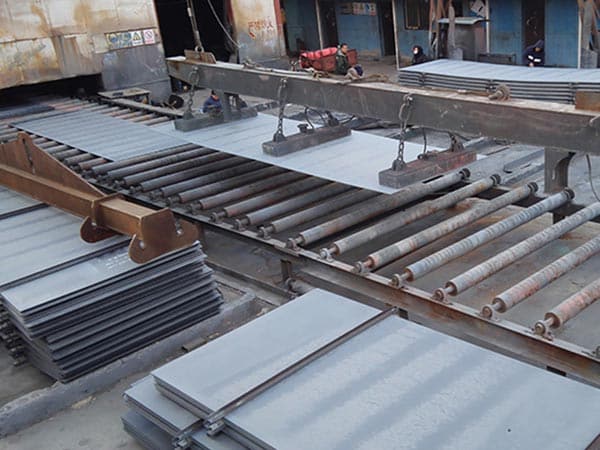
Understanding B750L Thermomechanically Processed Steel for the Australian Market
The demand for high-strength, low-alloy (HSLA) steels in Australia has seen a significant surge, particularly for grades like B750L. This specific grade is produced through a Thermomechanically Controlled Process (TMCP), which optimizes the microstructural grain refinement to achieve an exceptional balance of high yield strength and superior weldability. For Australian importers and engineers, understanding the pricing of B750L export requires a deep dive into its metallurgical advantages, processing capabilities, and the logistical variables inherent in the Asia-Pacific supply chain.
B750L is primarily utilized in sectors where weight reduction is critical without compromising structural integrity. The 'B' typically denotes its application in automotive and structural frameworks, while '750' represents the minimum yield strength in Megapascals (MPa), and 'L' indicates its suitability for low-temperature toughness or specific forming requirements. Unlike traditional normalized steels, TMCP-processed B750L achieves its properties through precise temperature control during rolling, eliminating the need for expensive alloying elements or secondary heat treatments.
Technical Specifications and Mechanical Excellence
The pricing of B750L is fundamentally tied to its technical performance. Australian standards, such as AS/NZS 1594, often cross-reference these high-strength grades. B750L stands out due to its ultra-fine grain structure, which provides high resistance to brittle fracture—a vital feature for equipment operating in the diverse Australian climate, from the humid tropics of Queensland to the freezing nights of the Victorian Highlands.
| Property | Value (Typical) | Unit |
|---|---|---|
| Yield Strength (ReH) | ≥ 750 | MPa |
| Tensile Strength (Rm) | 800 - 950 | MPa |
| Elongation (A50mm) | ≥ 12 | % |
| Impact Energy (-20°C) | ≥ 40 | Joules |
The chemical composition is engineered to keep the Carbon Equivalent (CEV) low. This is a primary driver for the export price, as a lower CEV enhances weldability, reducing the pre-heating requirements for Australian fabricators. By minimizing elements like Carbon and Manganese while utilizing micro-alloying elements such as Niobium (Nb), Vanadium (V), and Titanium (Ti), B750L offers a strength-to-weight ratio that traditional mild steels cannot match.
Factors Influencing B750L Export Prices to Australia
Determining the exact price of B750L for the Australian market involves several dynamic variables. Currently, export prices are influenced by raw material fluctuations, energy costs in manufacturing hubs, and the specific requirements of Australian compliance certifications.
- Raw Material Index: The cost of iron ore and high-quality scrap significantly impacts the base price of TMCP steels.
- Processing Complexity: The TMCP route requires sophisticated rolling mills with high-power cooling systems. The precision required for B750L adds a premium over standard S355 or Grade 350 steels.
- Freight and Logistics: Shipping costs from major Asian ports to Fremantle, Melbourne, or Brisbane fluctuate based on global container and bulk carrier availability.
- Exchange Rates: The AUD/USD and AUD/CNY exchange rates play a pivotal role in the final landed cost for Australian procurement managers.
- Certification and Compliance: Providing test certificates (MTC) that align with ISO 9001 and specific Australian project requirements can influence the final quotation.
Processing Performance and Fabricator Benefits
Australian manufacturers in the transport and mining sectors favor B750L because it reduces total lifecycle costs. Its cold forming properties are exceptional for a 750MPa grade. Fabricators can achieve tight bend radii without cracking, which is essential for manufacturing truck chassis, crane booms, and heavy-duty trailers. This workability reduces the scrap rate during production, effectively lowering the 'real' cost of the material compared to cheaper, lower-quality alternatives.
Welding B750L is remarkably efficient. Due to the TMCP production method, the heat-affected zone (HAZ) maintains better toughness compared to quenched and tempered (Q&T) steels. This allows for faster welding speeds and less stringent post-weld heat treatment (PWHT) requirements, which is a significant labor-saving factor in the high-wage Australian manufacturing environment.
Environmental Adaptability and Application Expansion
The Australian environment is notoriously harsh. B750L's resistance to atmospheric corrosion and its performance under fatigue loading make it ideal for the Renewable Energy sector, specifically for solar tracking systems and wind tower components. The high yield strength allows for thinner sections, reducing the wind load profile and the amount of zinc required for galvanizing, which is both a cost and environmental win.
In the Mining and Resources sector, B750L is used in the construction of light-weight service vehicles and conveyor structures. The ability to carry higher payloads due to reduced tare weight directly translates to operational efficiency and lower carbon emissions per ton of material moved. This alignment with 'Green Steel' initiatives is becoming a mandatory requirement for many Tier-1 mining projects in Western Australia and the Hunter Valley.
Navigating the Procurement Landscape
When sourcing B750L for export to Australia, buyers must prioritize traceability and quality assurance. The price quoted is often reflective of the mill's reputation and the rigor of their quality control. It is essential to verify that the TMCP parameters are strictly followed, as improper cooling rates can lead to non-uniform hardness across the plate or coil width.
| Feature | B750L Advantage | Impact on Australian Projects |
|---|---|---|
| Weight Reduction | Up to 30% vs Grade 350 | Lower fuel consumption for transport |
| Weldability | Low CEV (Carbon Equivalent) | Reduced labor costs and faster assembly |
| Formability | Excellent Cold Bending | Design flexibility for complex shapes |
| Surface Quality | Clean, tight mill scale | Better paint adhesion and coating life |
Strategic procurement involves looking beyond the per-ton price. The Total Cost of Ownership (TCO), including reduced welding consumables, lower freight costs due to lighter components, and extended service life in the outback, makes B750L a highly competitive choice for the Australian engineering landscape. Engaging with suppliers who understand the specific logistics of Australian ports and the necessity for clear, compliant documentation is the key to a successful import strategy.
Current market trends suggest that as Australia continues to invest in infrastructure and sovereign manufacturing capabilities, the role of high-performance steels like B750L will only grow. Staying informed about the technical nuances and global pricing drivers of thermomechanically processed steels ensures that Australian businesses remain at the forefront of global engineering standards.
Leave a message