
What is the BS700MC high strength alloy steel price export to Iran
Discover the latest insights on BS700MC high strength alloy steel price for export to Iran. Explore technical specs, mechanical properties, and market factors.
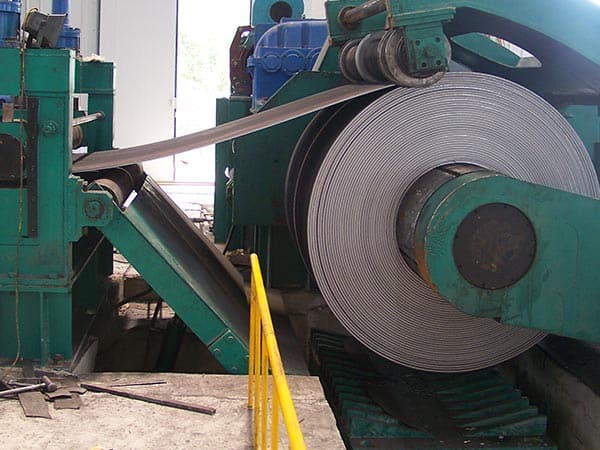
Understanding the BS700MC High Strength Steel Dynamics
BS700MC is a high-yield strength, cold-forming steel produced through thermomechanically controlled rolling (TMCP). This material represents the pinnacle of weight-reduction technology in the heavy machinery and automotive sectors. When evaluating the BS700MC high strength alloy steel price export to Iran, it is essential to look beyond the raw numbers and understand the metallurgical integrity that justifies its market value. The '700' denotes a minimum yield strength of 700 MPa, a threshold that allows engineers to significantly reduce plate thickness without compromising structural safety. This reduction in weight directly translates to higher fuel efficiency for transport vehicles and lower material costs for large-scale infrastructure projects across the Iranian plateau.
Technical Specifications and Chemical Composition
The performance of BS700MC is rooted in its precise chemical balance. Unlike traditional carbon steels, BS700MC utilizes micro-alloying elements to achieve its superior properties. The inclusion of Niobium (Nb), Vanadium (V), and Titanium (Ti) facilitates grain refinement, which is critical for maintaining toughness at high strength levels. The low carbon content (typically below 0.12%) ensures excellent weldability, a factor that heavily influences its demand in the Iranian manufacturing sector. Below is a detailed breakdown of the typical chemical composition and mechanical properties.
| Element/Property | Requirement (Value) |
|---|---|
| Carbon (C) % | ≤ 0.12 |
| Manganese (Mn) % | ≤ 2.10 |
| Silicon (Si) % | ≤ 0.50 |
| Yield Strength (MPa) | ≥ 700 |
| Tensile Strength (MPa) | 750 - 950 |
| Elongation (%) | ≥ 12 |
These specifications ensure that the steel can withstand the rigorous environmental conditions found in Iran, from the humid coastal regions to the arid, high-temperature industrial zones. The low sulfur and phosphorus levels minimize internal defects, making it a reliable choice for critical load-bearing components.
Factors Influencing Export Prices to Iran
The BS700MC high strength alloy steel price export to Iran is subject to a complex interplay of global and regional factors. Currently, the price range fluctuates between $820 and $980 per metric ton (FOB China), depending on thickness, width, and order volume. Several variables dictate this pricing structure:
- Raw Material Costs: The volatility of iron ore and coking coal prices directly impacts the production cost of TMCP steels.
- Alloy Surcharges: Since BS700MC relies on Niobium and Titanium, the global market price for these rare metals adds a surcharge to the base steel price.
- Logistics and Freight: Shipping to Bandar Abbas involves specific maritime routes. Container freight rates and breakbulk availability significantly alter the landed cost.
- Quality Certification: Iranian buyers often require third-party inspections (such as SGS or BV) to ensure compliance with international standards, which adds a nominal fee to the final invoice.
- Currency Exchange: The fluctuation between the USD, CNY, and IRR plays a pivotal role in the purchasing power of Iranian industrial entities.
Superior Processability: Welding and Cold Forming
One of the primary reasons for the high demand for BS700MC in Iran is its exceptional processability. Despite its high strength, the steel exhibits remarkable cold-forming characteristics. This allows for tight bending radii without the risk of cracking, which is essential for manufacturing crane booms and trailer chassis. The minimum recommended bending radius for BS700MC is typically 2.0 to 2.5 times the plate thickness, depending on the orientation of the bend relative to the rolling direction.
In terms of welding, the low carbon equivalent (Ceq) of BS700MC means it can be welded using standard methods like MAG, TIG, or submerged arc welding without the intensive preheating required for higher carbon alloys. This efficiency reduces labor costs and increases the throughput of Iranian fabrication shops. The heat-affected zone (HAZ) retains its strength well, provided that the heat input is carefully controlled to avoid excessive grain growth.
Application Industries in the Iranian Market
The Iranian industrial landscape is diversifying, and BS700MC is at the heart of this evolution. The mining sector, particularly in regions like Kerman and Yazd, requires heavy-duty dump trucks and excavation equipment that can handle abrasive materials and extreme loads. BS700MC provides the necessary durability while keeping the vehicle's tare weight low.
Furthermore, the expansion of the Iranian logistics network necessitates high-performance trailers and tankers. Using BS700MC allows manufacturers to design lighter frames that can carry more payload, optimizing the efficiency of long-haul transport across the country. The steel's resistance to atmospheric corrosion, when properly coated, also makes it suitable for structural components in urban infrastructure projects.
Navigating Trade Compliance and Logistics
Exporting BS700MC to Iran requires a deep understanding of international trade regulations and payment mechanisms. Successful transactions often utilize specialized banking channels or third-party financial intermediaries to ensure smooth fund transfers. Documentation is another critical aspect; ensuring that the Bill of Lading, Certificate of Origin, and Mill Test Certificates (MTC) are perfectly aligned with Iranian customs requirements is vital to avoid delays at the port of entry.
Strategic sourcing from reputable Chinese mills ensures that the steel meets the EN 10149-2 or equivalent standards, providing peace of mind for Iranian engineers. When requesting a quote, it is advisable to specify the exact dimensions and any required tolerances (such as flatness or surface finish) to get the most accurate price assessment.
Future Outlook for High Strength Steel in Iran
As the demand for energy-efficient machinery grows, the reliance on high-strength steels like BS700MC will only increase. The Iranian market is showing a clear trend toward upgrading its industrial base, moving away from heavy, inefficient mild steels toward advanced high-strength alloys. This shift is driven by the need for more competitive manufacturing and the global push for sustainability. Staying informed about the BS700MC high strength alloy steel price export to Iran is crucial for procurement managers and engineers who aim to stay ahead in this dynamic market environment.
Leave a message