
What is the chemical composition of S315MC auto steel flat?
Comprehensive analysis of S315MC automotive steel chemical composition, mechanical properties, and processing advantages for high-performance vehicle manufacturing.
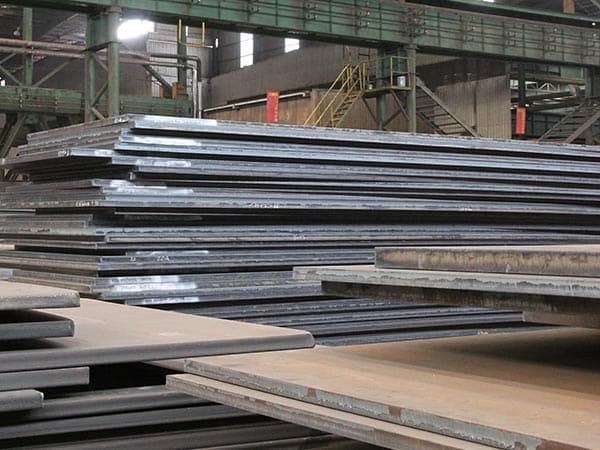
The Core Chemistry of S315MC Automotive Steel
Understanding the chemical composition of S315MC auto steel flat requires a deep dive into the EN 10149-2 standard. This grade belongs to the family of high-yield-strength steels for cold forming, specifically produced through thermomechanical rolling. The precision in its elemental makeup is what allows automotive engineers to balance weight reduction with structural integrity. Unlike traditional hot-rolled steels, S315MC relies on a sophisticated micro-alloying strategy to achieve its desired characteristics.
The primary objective of the S315MC chemical design is to maintain a low carbon equivalent. This ensures exceptional weldability and formability while providing a minimum yield strength of 315 MPa. By strictly controlling the levels of Carbon, Manganese, and Silicon, and introducing trace amounts of Niobium, Vanadium, or Titanium, manufacturers create a fine-grained microstructure that resists cracking during complex bending operations.
| Element | Maximum Content (%) | Role in S315MC Performance |
|---|---|---|
| Carbon (C) | 0.12 | Ensures strength while maintaining excellent weldability and ductility. |
| Manganese (Mn) | 1.30 | Increases hardness and tensile strength; aids in deoxidation. |
| Silicon (Si) | 0.50 | Acts as a deoxidizer and contributes to solid solution strengthening. |
| Phosphorus (P) | 0.025 | Kept low to prevent brittleness and improve toughness. |
| Sulfur (S) | 0.020 | Minimized to enhance internal cleanliness and prevent lamellar tearing. |
| Aluminum (Al) | 0.015 (min) | Functions as a grain refiner and deoxidizing agent. |
| Nb / V / Ti | Combined Sums | Micro-alloying elements that facilitate grain refinement during rolling. |
The Impact of Micro-Alloying Elements
The secret to the S315MC auto steel flat performance lies in the "MC" designation, which stands for thermomechanically rolled (M) and cold forming (C). The addition of Niobium (Nb), Vanadium (V), and Titanium (Ti) is critical. These elements form carbides and nitrides that pin grain boundaries during the cooling process. This grain refinement is the only strengthening mechanism that simultaneously improves both strength and toughness.
For automotive manufacturers, this means the steel can be thinner than conventional grades without sacrificing safety. The Titanium content specifically helps in stabilizing nitrogen, which prevents strain aging—a phenomenon that could otherwise lead to brittle failure in parts stored for long periods before forming. The synergy between these trace elements allows S315MC to exhibit a very high ratio of yield strength to tensile strength.
Mechanical Properties and Structural Reliability
While the chemical composition provides the foundation, the resulting mechanical properties define the utility of S315MC in the automotive supply chain. The material is engineered to handle the dynamic loads experienced by vehicle chassis and suspension components. Below are the typical mechanical benchmarks for this grade:
- Yield Strength (ReH): Minimum 315 MPa, ensuring the part maintains its shape under significant stress.
- Tensile Strength (Rm): Ranges between 390 and 510 MPa, providing a safety buffer against catastrophic failure.
- Elongation (A80mm): Typically 20% to 24% depending on thickness, allowing for deep drawing and tight radius bending.
- Impact Strength: Excellent low-temperature toughness, vital for vehicles operating in arctic or high-altitude environments.
Processing Performance: Welding and Cold Forming
The low carbon content (max 0.12%) of S315MC makes it a favorite for high-speed robotic welding lines. In modern automotive assembly, where spot welding and laser welding are prevalent, the chemical composition of S315MC minimizes the risk of cold cracking in the Heat Affected Zone (HAZ). Unlike higher carbon steels, S315MC does not require pre-heating or post-weld heat treatment, significantly reducing production cycle times.
When it comes to cold forming, S315MC displays isotropic behavior. This means the steel performs consistently regardless of whether the bend is longitudinal or transverse to the rolling direction. This predictability is essential for stamping complex structural beams, cross members, and longitudinal frames where precision tolerances are non-negotiable.
Environmental Adaptability and Sustainability
In the current era of Green Manufacturing, the S315MC grade contributes significantly to CO2 reduction targets. By utilizing high-strength low-alloy (HSLA) chemistry, vehicle designers can achieve "lightweighting." A thinner sheet of S315MC can replace a thicker sheet of standard S235 steel, reducing the overall mass of the vehicle frame. This reduction directly translates to lower fuel consumption and reduced emissions over the vehicle's lifecycle.
Furthermore, the high purity of S315MC—characterized by its low Sulfur and Phosphorus levels—makes it highly recyclable. The steel can be returned to the electric arc furnace (EAF) at the end of the vehicle's life and processed into new high-quality steel with minimal loss of properties, supporting a circular economy within the metallurgical industry.
Diverse Applications in the Transport Sector
The versatility of S315MC extends far beyond passenger cars. Its robust chemical profile makes it suitable for various demanding environments:
- Commercial Vehicles: Used in truck chassis frames where high payload capacity and fatigue resistance are paramount.
- Agricultural Machinery: Ideal for components in tractors and harvesters that face constant vibration and mechanical wear.
- Cold-Pressed Parts: Perfect for brackets, hinges, and complex structural reinforcements that require precise geometry.
- Container Manufacturing: Utilized in specialized transport containers where weight savings improve logistics efficiency.
The strategic selection of S315MC allows manufacturers to optimize the balance between material cost and performance. By leveraging the specific chemical composition of S315MC auto steel flat, engineers can produce components that are not only lighter and stronger but also more durable and easier to manufacture at scale.
Leave a message