
What is the difference between B750L plate zero cut sheet & plate steel?
A technical comparison of B750L plate zero cut sheets versus standard plate steel, detailing chemical composition, mechanical performance, and industrial applications.
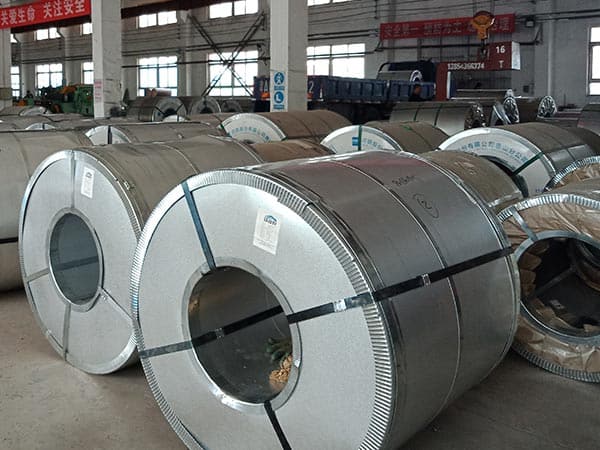
Technical Profile of B750L High-Strength Structural Steel
B750L is a high-strength, low-alloy (HSLA) steel specifically engineered for structural components that require an exceptional strength-to-weight ratio. The "B" typically denotes the manufacturing standard (often associated with major mills like Baosteel), "750" represents the minimum yield strength in Megapascals (MPa), and "L" signifies its primary application in longitudinal beams and automotive frames. Understanding the distinction between B750L plate zero cut sheets and standard plate steel involves looking beyond the material grade into the realms of processing precision, internal stress distribution, and supply chain efficiency.
Standard B750L plate steel refers to the raw material as it leaves the rolling mill, usually in large, standardized dimensions such as 1500mm x 6000mm or 2000mm x 8000mm. Conversely, "zero cut" (also known as precision-cut or customized-cut) refers to the secondary processing stage where the mother plate is divided into specific geometries using CNC laser, plasma, or waterjet cutting technologies to meet exact engineering specifications without requiring further edge preparation by the end-user.
Chemical Composition and Micro-Alloying Strategy
The performance of B750L is rooted in its sophisticated chemical design. Unlike lower-grade structural steels, B750L utilizes micro-alloying elements such as Niobium (Nb), Vanadium (V), and Titanium (Ti) to achieve grain refinement and precipitation hardening. This allows the steel to maintain high strength while preserving excellent weldability and low-temperature toughness.
| Element | Carbon (C) % | Silicon (Si) % | Manganese (Mn) % | Phosphorus (P) % | Sulfur (S) % | Nb+Ti+V % |
|---|---|---|---|---|---|---|
| B750L Typical Range | ≤ 0.12 | ≤ 0.50 | ≤ 2.00 | ≤ 0.025 | ≤ 0.015 | ≤ 0.22 |
The low carbon content is critical. It ensures that during the zero cut process—especially when using thermal cutting methods like laser or plasma—the Heat Affected Zone (HAZ) does not become excessively brittle. For standard plate steel, this chemistry provides a stable baseline for various forming operations. In zero-cut sheets, the precision of the cut edge combined with this chemistry prevents micro-cracking during subsequent bending or assembly.
Mechanical Properties: Yield Strength and Ductility
The primary differentiator for B750L is its mechanical threshold. With a yield strength exceeding 750 MPa, it allows engineers to reduce the thickness of components without sacrificing structural integrity. This is particularly vital in the transport industry where weight reduction directly correlates with fuel efficiency and payload capacity.
- Yield Strength (ReH): Minimum 750 MPa, providing robust resistance against permanent deformation.
- Tensile Strength (Rm): Typically ranges between 800 and 950 MPa, ensuring a high safety margin before fracture.
- Elongation (A50mm): Usually ≥ 12%, which is remarkable for a steel of this strength level, allowing for complex cold-forming shapes.
- Impact Energy: Maintains toughness at -20°C or -40°C, depending on specific sub-grades, making it suitable for all-weather environments.
When comparing zero cut sheets to standard plates, the mechanical consistency is paramount. Standard plates may have slight variations in properties between the center and the edges due to the rolling process. High-quality zero-cut services often select specific sections of the mother plate to ensure that the final piece meets the most stringent mechanical tolerances required for precision engineering.
Dimensional Precision and Edge Quality in Zero Cut Sheets
The most tangible difference between the two forms lies in dimensional control. Standard B750L plate steel is subject to mill tolerances, which can include slight waviness, camber, or thickness variations across the width. Zero cut sheets are processed to eliminate these variables for the end-user.
Modern CNC laser cutting for B750L zero cuts can achieve tolerances within +/- 0.5mm. This level of precision is unattainable with manual cutting of standard plates on-site. Furthermore, the edge quality of a zero-cut sheet is significantly superior. Thermal cutting parameters are optimized to minimize dross and slag, resulting in a smooth surface that is often ready for immediate welding. This reduces the labor costs associated with grinding and edge preparation that are typically necessary when working with raw plate steel.
Cold Forming and Fabrication Characteristics
B750L is designed for cold forming. However, the high yield strength means that the springback effect is more pronounced than in softer steels like Q235 or Q355. When using B750L plate steel, fabricators must account for this in their die designs and bending radii. The recommended minimum bending radius is usually 2.0 to 3.0 times the material thickness.
In the context of zero cut sheets, the orientation of the cut relative to the rolling direction of the original plate is a critical technical detail. B750L exhibits slight anisotropy; its ductility is better when bending perpendicular to the rolling direction. Professional zero-cut providers mark the rolling direction on the cut pieces, enabling fabricators to align their bending operations for maximum structural performance and to avoid "orange peel" or cracking on the outer radius of the bend.
Industrial Applications and Strategic Advantage
The choice between purchasing full plates or zero-cut sheets often depends on the scale and complexity of the project. B750L is predominantly used in high-stress environments where failure is not an option.
- Automotive Chassis: Longitudinal beams for heavy-duty trucks and trailers benefit from the high strength of B750L, allowing for thinner sections that carry heavier loads.
- Construction Machinery: Crane booms, excavator buckets, and chassis for concrete pumps utilize B750L to handle dynamic loads and high vibration.
- Lifting Equipment: The high strength-to-weight ratio is essential for mobile cranes where every kilogram saved in the boom translates to higher lifting capacity at radius.
- Renewable Energy: Support structures for solar trackers and wind turbine components where environmental durability and structural stiffness are required.
For large-scale manufacturers with automated production lines, B750L plate steel in standard sizes is often preferred as they have the internal capacity to process the material. For specialized engineering firms or projects requiring complex geometries, B750L zero cut sheets offer a strategic advantage by reducing waste, eliminating the need for expensive in-house cutting equipment, and shortening the overall production cycle.
Environmental Adaptability and Fatigue Resistance
B750L is not just about static strength; it is built for durability. The fine-grained microstructure provides excellent fatigue resistance, which is vital for components subjected to cyclic loading, such as truck frames traveling over uneven terrain. The inclusion of micro-alloying elements also offers a degree of atmospheric corrosion resistance, though for long-term exposure, proper coating or galvanizing is recommended.
The zero cut process must be handled carefully to maintain these properties. Excessive heat input during cutting can alter the microstructure at the very edge of the sheet. Advanced fiber laser cutting is the preferred method for B750L zero cuts because it provides a concentrated heat source, resulting in a very narrow HAZ and preserving the fatigue-resistant properties of the base metal right up to the edge of the component.
Optimizing Procurement: Plate vs. Zero Cut
From a procurement perspective, the decision involves a total cost of ownership (TCO) analysis. While the per-kilogram price of B750L zero cut sheets is higher than that of standard plate steel, the savings are found elsewhere. Zero-cut sheets eliminate scrap loss (which can be as high as 20-30% for complex shapes), reduce transportation costs by only shipping the required material, and remove the need for secondary processing steps.
Furthermore, using zero-cut sheets allows for better inventory management. Instead of stocking large, heavy plates, companies can order the exact number of components needed for a specific production run, improving cash flow and reducing warehouse space requirements. When sourcing B750L, it is essential to verify the material test reports (MTRs) to ensure the yield strength and chemical composition meet the 750MPa threshold, regardless of whether the material is delivered as a full plate or a precision-cut part.
Leave a message