
What is the S420MC automobile structure steel smelt
Explore the comprehensive properties of S420MC steel, including its chemical composition, mechanical strength, and superior cold-forming capabilities for automotive applications.
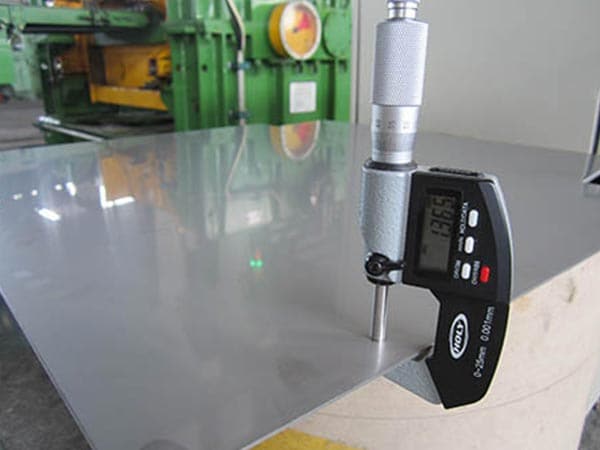
The Essence of S420MC: High-Strength Low-Alloy Steel Evolution
S420MC is a high-yield strength steel specifically designed for cold forming, governed by the European standard EN 10149-2. The 'S' stands for structural steel, '420' indicates the minimum yield strength of 420 MPa, and 'MC' signifies that the material is thermomechanically rolled (M) and suitable for cold forming (C). This steel represents a critical advancement in metallurgical engineering, balancing the need for weight reduction in vehicles with the demand for high structural integrity.
The smelting process of S420MC involves precise control over micro-alloying elements. Unlike traditional carbon steels, S420MC utilizes thermomechanical control processing (TMCP). This technique refines the grain structure of the steel during the rolling process, which enhances both strength and toughness without the need for expensive heat treatments. The result is a material that offers a high strength-to-weight ratio, making it indispensable for modern automotive chassis and structural components.
Chemical Composition and the Role of Micro-alloying
The performance of S420MC is rooted in its sophisticated chemical makeup. To maintain excellent weldability and ductility, the carbon content is kept remarkably low. Strength is instead derived from the addition of micro-alloying elements such as Niobium (Nb), Vanadium (V), and Titanium (Ti). These elements form fine carbides and nitrides that pin grain boundaries, preventing grain growth during processing.
| Element | Maximum Content (%) |
|---|---|
| Carbon (C) | 0.12 |
| Manganese (Mn) | 1.60 |
| Silicon (Si) | 0.50 |
| Phosphorus (P) | 0.025 |
| Sulphur (S) | 0.015 |
| Aluminum (Al) | 0.015 (min) |
| Niobium (Nb) | 0.09 |
| Vanadium (V) | 0.20 |
| Titanium (Ti) | 0.15 |
The low sulfur and phosphorus levels are critical for ensuring the steel's internal purity, which directly impacts its fatigue resistance and cold-forming limits. By minimizing inclusions, manufacturers ensure that S420MC can withstand severe bending and stretching without cracking, a vital requirement for complex automotive geometries.
Mechanical Properties: Strength Meets Ductility
S420MC is characterized by its high yield point, which allows engineers to design thinner parts that can carry the same loads as thicker, heavier traditional steels. This contributes significantly to automotive lightweighting, reducing fuel consumption and carbon emissions. The mechanical properties are tested longitudinally to the rolling direction to ensure consistency across the material.
| Property | Value Range |
|---|---|
| Yield Strength (ReH) | Min 420 MPa |
| Tensile Strength (Rm) | 480 - 620 MPa |
| Elongation (A80mm) | Min 13% - 16% (depending on thickness) |
| Bending Radius (180°) | 0.5t to 1.5t (depending on thickness) |
The elongation values indicate that despite its high strength, S420MC retains enough plasticity to undergo significant deformation. This balance is achieved through the fine-grained ferritic-pearlitic or bainitic microstructure produced by the TMCP process. The tight control over the yield-to-tensile ratio also ensures predictable behavior during stamping and pressing operations.
Superior Processing Performance: Welding and Forming
One of the primary reasons S420MC is favored in the automotive supply chain is its exceptional processing versatility. Weldability is a standout feature; due to its low carbon equivalent (CEV), S420MC can be welded using all standard methods, including MIG/MAG, TIG, and laser welding, without the risk of cold cracking in the heat-affected zone (HAZ).
- Cold Forming: The steel is specifically optimized for cold pressing, folding, and bending. It exhibits minimal springback, which allows for high dimensional accuracy in finished parts.
- Cutting: Whether using laser, plasma, or waterjet cutting, S420MC maintains clean edges and minimal thermal distortion.
- Surface Treatment: The clean surface finish of thermomechanically rolled S420MC provides an excellent substrate for galvanizing, painting, or powder coating, ensuring long-term corrosion protection.
Engineers often utilize S420MC for complex cross-sections in truck frames and longitudinal beams. The material's ability to be formed into intricate shapes while maintaining its rated strength allows for the consolidation of multiple parts into a single stamped component, reducing assembly costs and improving structural rigidity.
Environmental Adaptability and Fatigue Resistance
Automotive components are subjected to harsh environments, including road salt, moisture, and constant vibration. S420MC demonstrates robust fatigue strength, which is the ability of the material to withstand cyclic loading over time. The fine grain structure helps inhibit the initiation and propagation of micro-cracks, extending the service life of the vehicle's chassis.
Furthermore, S420MC performs well at low temperatures. While standard structural steels might become brittle in cold climates, the micro-alloyed S420MC maintains its impact toughness, ensuring safety in diverse geographical regions. This environmental resilience makes it a global standard for commercial vehicle manufacturers who export to both tropical and arctic environments.
Expanding Industry Applications
While the name suggests a focus on automobiles, the utility of S420MC extends far beyond passenger cars. Its high strength and excellent formability make it a preferred choice for various heavy-duty applications:
- Commercial Vehicles: Truck frames, trailers, and side-member rails where weight reduction directly increases payload capacity.
- Construction Machinery: Crane booms, excavator components, and chassis for mobile lifting platforms.
- Agricultural Equipment: Plow frames, harvester structures, and grain handling systems that require durability under stress.
- Cold-Formed Sections: C-profiles and Z-profiles used in lightweight steel construction and racking systems.
The transition from S355MC to S420MC is a common trend in these industries, as it allows for a thickness reduction of approximately 10-15% while maintaining the same safety factors. This optimization is a key driver in the circular economy, as using less material reduces the energy required for both production and transportation.
Technical Considerations for Procurement and Usage
When sourcing S420MC, it is vital to verify the Mill Test Certificate (MTC) to ensure compliance with EN 10149-2. Buyers should pay close attention to the silicon content if the material is intended for hot-dip galvanizing, as silicon levels influence the thickness and appearance of the zinc coating. Additionally, the direction of bending relative to the rolling direction should be considered; although S420MC is highly ductile, bending transverse to the rolling direction typically allows for a tighter radius.
The move toward S420MC is not just a material upgrade; it is a strategic decision to enhance product performance. By leveraging the thermomechanical rolling technology, manufacturers can produce safer, lighter, and more efficient structures that meet the rigorous demands of modern engineering and environmental standards.
Leave a message