
What is the notice of preheating before S500MC price cutting
Comprehensive guide on S500MC high-strength steel preheating requirements for thermal cutting. Learn about mechanical properties, chemical composition, and processing optimization to prevent cracking and ensure structural integrity.
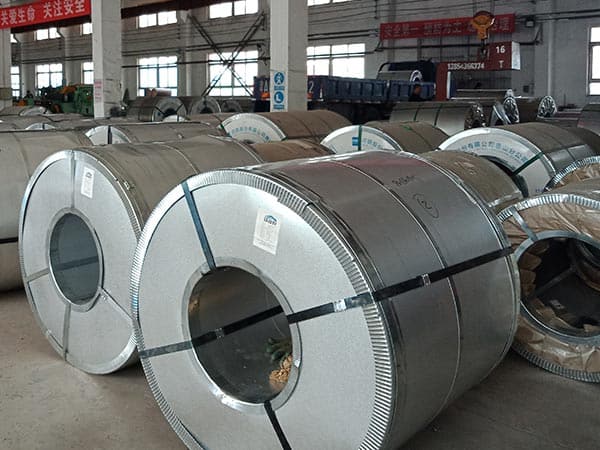
Technical Profile of S500MC High-Strength Steel
S500MC is a thermomechanically rolled, high-yield-strength steel designed specifically for cold forming. Governed by the EN 10149-2 standard, this material offers a unique balance of high strength, low weight, and exceptional toughness. When discussing the 'price cutting' or more accurately, the thermal processing and cost-efficiency of S500MC, understanding its metallurgical foundation is paramount. The 'MC' suffix denotes that the steel is thermomechanically rolled (M) and suitable for cold forming (C). This process creates a fine-grained microstructure that provides superior mechanical properties compared to traditional hot-rolled steels.
The chemical composition of S500MC is strictly controlled to ensure weldability and formability. By utilizing micro-alloying elements such as Niobium (Nb), Vanadium (V), and Titanium (Ti), manufacturers achieve high strength without the need for high carbon content, which significantly improves the steel's reaction to thermal cutting and welding processes.
| Element | C (max %) | Mn (max %) | Si (max %) | P (max %) | S (max %) | Al (min %) |
|---|---|---|---|---|---|---|
| S500MC Value | 0.12 | 1.60 | 0.50 | 0.025 | 0.015 | 0.015 |
The Necessity of Preheating in Thermal Cutting Operations
Thermal cutting processes, including flame (oxy-fuel), plasma, and laser cutting, introduce intense localized heat into the S500MC plate. This heat creates a Heat Affected Zone (HAZ) where the microstructure of the steel is altered. For high-strength steels like S500MC, the rapid cooling that follows cutting can lead to the formation of martensite, a hard and brittle phase that increases the risk of cold cracking, particularly hydrogen-induced cracking (HIC).
Preheating serves several critical functions: it reduces the temperature gradient between the cutting zone and the rest of the plate, slows down the cooling rate after cutting, and facilitates the diffusion of hydrogen out of the steel. When evaluating the notice of preheating, operators must consider the plate thickness, the ambient temperature, and the specific cutting method employed. While S500MC is more forgiving than quenched and tempered steels, preheating becomes mandatory when plate thickness exceeds certain thresholds or when working in cold environments (below 5°C).
Determining Preheating Temperatures for S500MC
The preheating temperature for S500MC is not a static number but a variable based on the Carbon Equivalent (CEV). Although S500MC has a low CEV compared to other high-strength alloys, the physical thickness of the section plays a dominant role in heat dissipation. For plates thicker than 20mm, a preheat temperature of 100°C to 150°C is often recommended to ensure the integrity of the cut edge.
- Thickness Consideration: Thin sheets (under 8mm) generally do not require preheating if stored at room temperature.
- Environmental Factors: If the steel has been stored in an unheated warehouse during winter, preheating to remove moisture and raise the base temperature is essential to prevent edge embrittlement.
- Cutting Speed: Higher cutting speeds in laser processing may reduce the total heat input, but the cooling rate remains high, necessitating a careful assessment of the edge hardness.
Mechanical Property Retention and Edge Quality
The primary concern during S500MC processing is maintaining the yield strength and elongation properties. If the cutting process is too aggressive or if preheating is ignored, the cut edge can become excessively hard. This hardness makes the material prone to cracking during subsequent cold forming operations, such as bending or flanging. The mechanical properties of S500MC are summarized below for reference:
| Property | Minimum Yield Strength (MPa) | Tensile Strength (MPa) | Min. Elongation (A80 mm %) | Min. Elongation (A5 %) |
|---|---|---|---|---|
| S500MC Specification | 500 | 550 - 700 | 12 | 14 |
Proper preheating ensures that the yield-to-tensile ratio remains within the desired range, allowing the steel to perform as intended in structural applications. Excessive heat without controlled cooling can lead to grain growth in the HAZ, which locally reduces the yield strength, potentially creating a weak point in the finished component.
Optimizing Different Cutting Technologies
Each cutting technology interacts differently with S500MC. Laser cutting is often the preferred method for S500MC due to its narrow HAZ and high precision. However, even with laser cutting, the 'price' of ignoring pre-processing steps can be high in terms of scrap rates. Plasma cutting offers a balance of speed and cost but produces a wider HAZ than laser. Oxy-fuel cutting, while effective for very thick sections, introduces the most heat and requires the most stringent preheating protocols.
When laser cutting S500MC, using nitrogen as a shielding gas can prevent oxidation of the cut edge, which is beneficial if the parts are to be painted or coated later. If oxygen is used, the resulting oxide layer must be removed, or the cutting parameters must be adjusted to minimize its formation. Preheating the plate slightly can also improve the consistency of the laser pierce, especially in thicker gauges.
Impact on Downstream Industrial Applications
S500MC is widely utilized in the manufacturing of truck chassis, crane arms, and agricultural machinery. In these applications, the steel is often subjected to dynamic loads and fatigue. A poorly executed cut, characterized by micro-cracks or excessive hardening due to lack of preheating, can lead to catastrophic failure under stress. Manufacturers must adhere to strict quality control notices to ensure that every cut component retains the ductility required for the safety-critical nature of these industries.
Furthermore, the weldability of the cut edge is a vital consideration. If the edge is contaminated with oxides or has undergone unfavorable phase transformation, the subsequent weld quality will be compromised. Preheating ensures a clean, metallurgically sound edge that facilitates high-quality robotic and manual welding processes.
Best Practices for Handling and Processing S500MC
To maximize the value and performance of S500MC, processing facilities should implement a standardized workflow. This includes moisture removal from the steel surface before cutting, as hydrogen from water vapor is a primary cause of cold cracking. Using infrared thermometers to verify that the preheat temperature has been reached uniformly across the cutting path is also a recommended practice.
- Edge Grinding: For critical structural components, removing 1-2mm of the thermally cut edge by grinding can eliminate the HAZ entirely.
- Stress Relieving: In complex geometries where significant residual stresses are expected, post-cutting stress relief heat treatment may be considered, though it must be done carefully to avoid softening the thermomechanically rolled structure.
- Storage: S500MC should be stored in a dry environment to prevent pitting corrosion, which can act as a stress concentrator during the cutting process.
By following these technical notices and understanding the relationship between thermal input and material science, fabricators can ensure that S500MC delivers its full potential in high-performance engineering projects. The focus should always remain on the synergy between precise cutting parameters and the inherent metallurgical strengths of this advanced steel grade.
Leave a message