
What is the S700MC price price export to Kenya
Comprehensive analysis of S700MC steel pricing for the Kenyan market, covering technical specifications, mechanical properties, processing advantages, and logistics factors for export to Mombasa.
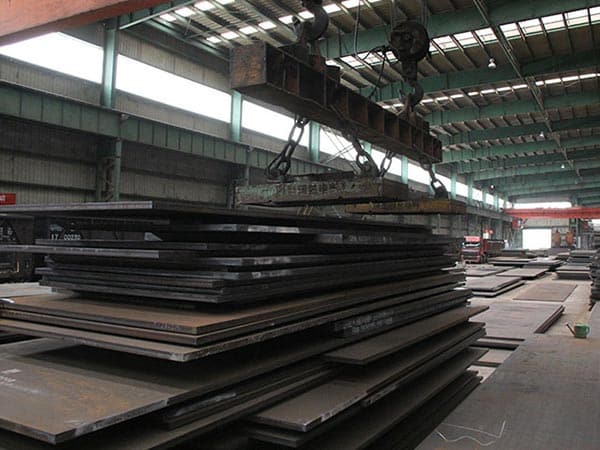
Understanding S700MC Steel in the Kenyan Infrastructure Context
The Kenyan industrial landscape is undergoing a rapid transformation, driven by large-scale infrastructure projects and a growing demand for high-efficiency transport solutions. At the heart of this evolution is S700MC, a high-strength low-alloy (HSLA) steel that has become a cornerstone for modern engineering. When discussing the S700MC price export to Kenya, it is essential to look beyond the raw dollar-per-ton figure and evaluate the multifaceted value this material brings to East African enterprises.
S700MC is governed by the EN 10149-2 standard, specifically designed for cold-forming applications. Its name reflects its primary characteristic: a minimum yield strength of 700 MPa. For Kenyan manufacturers specializing in heavy-duty trailers, agricultural machinery, and crane structures, this steel offers a unique opportunity to reduce vehicle weight while increasing payload capacity, directly addressing the logistical challenges of the Northern Corridor.
Technical Specifications and Mechanical Superiority
The pricing of S700MC is fundamentally tied to its sophisticated chemical composition and the thermomechanical rolling process used during its production. Unlike standard carbon steels like s355jr, S700MC achieves its strength through a fine-grained microstructure and the precise addition of micro-alloying elements such as Niobium (Nb), Vanadium (V), and Titanium (Ti).
| Mechanical Property | Value (Min/Max) |
|---|---|
| Yield Strength (ReH) | Min 700 MPa |
| Tensile Strength (Rm) | 750 - 950 MPa |
| Elongation (A80mm) | Min 10% (Thickness < 3mm) |
| Elongation (A5) | Min 12% (Thickness ≥ 3mm) |
| Bending Radius (90°) | Min 1.5 x Thickness |
These properties are not merely numbers; they represent the material's ability to withstand extreme stress without permanent deformation. In the context of Kenya's diverse terrain—from the coastal plains of Mombasa to the rugged highlands of the Rift Valley—equipment made from S700MC exhibits superior durability and fatigue resistance.
Factors Influencing S700MC Export Pricing to Kenya
Several variables dictate the final landed cost of S700MC at the Port of Mombasa. Understanding these factors allows Kenyan procurement managers to optimize their supply chain strategies.
- Global Raw Material Fluctuations: The cost of iron ore, coking coal, and micro-alloys like Vanadium directly impacts the base price. Since S700MC requires more precise alloying than standard grades, its price is more sensitive to volatility in the rare metal markets.
- Shipping and Freight Logistics: Exporting to Kenya involves significant maritime logistics. Freight rates from major steel hubs (such as China or Europe) to Mombasa fluctuate based on fuel surcharges (BAF) and container availability. Bulk shipments vs. containerized loads also offer different pricing structures.
- Thickness and Dimension Customization: S700MC is typically available in thicknesses ranging from 2mm to 12mm. Thinner gauges (under 3mm) often carry a premium due to the complexity of the rolling process and the precision required to maintain flatness and surface quality.
- Certification and Quality Assurance: Exporting to Kenya requires compliance with the Kenya Bureau of Standards (KEBS) requirements. Providing 3.1 or 3.2 Mill Test Certificates (MTC) and ensuring the material meets the Pre-Export Verification of Conformity (PVoC) adds a layer of administrative cost but guarantees structural integrity.
Processing Performance: Why Fabricators Prefer S700MC
A critical component of the "effective price" of steel is the cost of processing. S700MC excels in several key areas that reduce manufacturing overhead for Kenyan workshops.
Excellent Weldability: Due to its low carbon equivalent (CEV), S700MC can be welded using standard methods like MIG/MAG or submerged arc welding without the need for extensive preheating. This reduces energy consumption and speeds up production cycles in trailer manufacturing plants in Nairobi and Thika.
Superior Cold Forming: Despite its high strength, S700MC maintains remarkable ductility. It can be bent to tight radii, which is essential for creating complex chassis components. This allows for the elimination of multiple weld seams, reducing the risk of structural failure and lowering labor costs.
Precision Cutting: The clean chemical composition of S700MC makes it ideal for laser, plasma, and waterjet cutting. It produces minimal dross and maintains a stable edge, ensuring that high-precision parts fit perfectly during assembly.
Economic Impact: Weight Reduction and Fuel Efficiency
The primary driver for adopting S700MC in Kenya is the "Lightweighting" trend. By replacing S355 or Q355 steel with S700MC, engineers can reduce the weight of a structural frame by up to 30-40% without compromising safety. For a Kenyan transport company, this translates into two major advantages:
1. Increased Payload: Every kilogram saved from the trailer's weight is an extra kilogram of cargo that can be legally transported under Kenya's axle load limit regulations.
2. Fuel Savings: Lighter vehicles consume significantly less fuel, especially on long-haul routes from Mombasa to Kampala or Juba. Over the lifespan of a fleet, the initial higher price of S700MC is offset many times over by operational savings.
Environmental Adaptability and Sustainability
Kenya's climate ranges from humid coastal environments to arid regions. S700MC, while not a stainless steel, offers a fine-grained surface that holds protective coatings and paints exceptionally well. This enhanced adhesion prevents sub-film corrosion, extending the service life of machinery in harsh environments. Furthermore, the ability to use less steel to achieve the same structural goal contributes to a lower carbon footprint for the entire project, aligning with global sustainability goals and Kenya's own green initiatives.
Strategic Procurement for the Kenyan Market
To secure the best S700MC price export to Kenya, buyers should focus on long-term partnerships with reputable exporters. Timing is crucial; purchasing during the "off-peak" seasons of the global steel market can result in significant savings. Additionally, consolidating orders to maximize container space can lower the per-unit shipping cost to Mombasa.
It is also vital to verify the origin of the steel. High-quality S700MC from top-tier mills ensures consistency in yield strength and thickness tolerances. Inconsistent material can lead to spring-back issues during bending or cracking during welding, which are far more expensive to fix than the initial price difference of premium steel.
Comparative Analysis: S700MC vs. Standard Grades
When evaluating the export price, it helps to compare S700MC with more common grades found in the Kenyan market.
| Feature | S355JR / Q355B | S700MC (HSLA) |
|---|---|---|
| Yield Strength | 355 MPa | 700 MPa |
| Weight for Same Load | 100% (Baseline) | Approx. 60-70% |
| Formability | Good | Excellent (Specific to cold forming) |
| Cost per Ton | Lower | Higher |
| Total Project Cost | Standard | Lower (due to less material used) |
The table illustrates that while the price per ton for S700MC is higher, the total tonnage required for a project is significantly lower. This "less is more" philosophy is the key to profitability in modern Kenyan engineering.
Future Trends in the Kenyan Steel Trade
The demand for S700MC in Kenya is expected to rise as the country strengthens its position as a regional manufacturing hub. Advancements in local fabrication capabilities, such as the adoption of CNC fiber laser cutters and robotic welding arms, will further increase the utilization of high-strength steels. Exporters who can provide not just the material, but also technical support and reliable logistics to Mombasa, will find a robust and growing market. The focus will remain on high-performance materials that can withstand the rigors of East African logistics while providing a clear economic return on investment.
Leave a message