
Analysis of en 10149-2 high yield strength alloy steel s420mc social inventory
A comprehensive analysis of EN 10149-2 S420MC steel, covering its mechanical properties, chemical composition, processing advantages, and current market inventory trends.
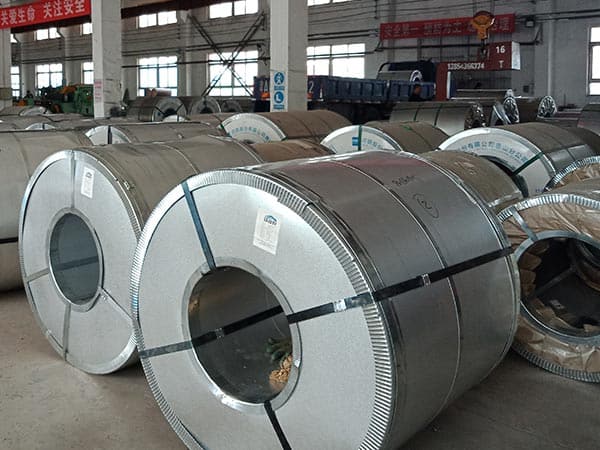
Introduction to EN 10149-2 S420MC High Yield Strength Steel
The modern industrial landscape demands materials that combine lightweight characteristics with exceptional structural integrity. EN 10149-2 S420MC stands as a pinnacle of thermomechanically rolled (MC) high-yield strength steels designed specifically for cold forming. This grade is characterized by its minimum yield strength of 420 MPa, offering a significant upgrade over traditional structural steels like S355MC. Understanding the social inventory of S420MC requires a deep dive into its technical superiority, processing versatility, and the supply chain mechanics that drive its availability in global markets.
S420MC is produced through a precise Thermomechanical Control Process (TMCP). Unlike traditional normalized steels, TMCP allows for a fine-grained microstructure that enhances both strength and toughness without increasing the carbon equivalent. This makes S420MC a preferred choice for manufacturers looking to reduce vehicle weight or improve the load-bearing capacity of structural components without sacrificing weldability or formability.
Chemical Composition and Micro-Alloying Strategy
The exceptional performance of S420MC is rooted in its chemical makeup. By utilizing micro-alloying elements such as Niobium (Nb), Vanadium (V), and Titanium (Ti), manufacturers can achieve high strength levels while maintaining a low carbon content. This strategy ensures that the steel remains ductile and easy to weld.
| Element | Max Content (%) |
|---|---|
| Carbon (C) | 0.12 |
| Manganese (Mn) | 1.60 |
| Silicon (Si) | 0.50 |
| Phosphorus (P) | 0.025 |
| Sulfur (S) | 0.015 |
| Aluminium (Al) | 0.015 |
| Nb + V + Ti | 0.22 |
The low carbon equivalent (Ceq) is a critical factor for the social inventory's liquidity. Steel with lower Ceq is easier to process in diverse workshop environments, reducing the risk of cold cracking during welding. This universal utility ensures that S420MC remains a high-turnover item in steel warehouses globally.
Mechanical Properties and Structural Efficiency
The primary reason for the high demand and strategic stockpiling of S420MC is its mechanical profile. It provides a balanced ratio of strength to weight, which is essential for the automotive and heavy machinery sectors. The following table outlines the standard mechanical requirements according to EN 10149-2.
| Property | Value (Thickness ≤ 16mm) |
|---|---|
| Yield Strength (ReH) | Min 420 MPa |
| Tensile Strength (Rm) | 480 - 620 MPa |
| Elongation (A80mm) | Min 16% (t < 3mm) |
| Elongation (A5) | Min 19% (t ≥ 3mm) |
| Bending Radius (180°) | 0.5t to 1.0t (depending on thickness) |
The high yield strength allows engineers to use thinner plates to achieve the same structural performance as thicker S235 or S355 grades. This weight reduction directly translates to fuel efficiency in transport applications and lower material costs in large-scale construction projects.
Processing Performance: Welding and Cold Forming
Social inventory levels are often dictated by how easily a material can be integrated into existing production lines. S420MC excels in cold forming operations. Due to its fine-grained structure, it can undergo tight bending radii without surface cracking, provided the grain direction is considered during the layout phase.
- Weldability: S420MC is compatible with all standard welding processes, including MIG/MAG, TIG, and submerged arc welding. The low impurity levels (S and P) prevent hot cracking.
- Laser Cutting: The clean chemical composition and consistent flatness of S420MC make it ideal for high-speed laser cutting, which is a standard requirement for modern automated manufacturing.
- Cold Bending: Its high ductility allows for complex shapes, making it a staple for truck chassis, crane booms, and agricultural machinery frames.
The predictability of the material during these processes reduces scrap rates, making it a cost-effective choice for end-users and a safe bet for stockholders.
Environmental Adaptability and Fatigue Resistance
Beyond static strength, S420MC demonstrates impressive fatigue resistance. Components made from this steel can withstand cyclic loading, which is vital for mobile equipment. Its performance in low-temperature environments is also noteworthy; although EN 10149-2 focuses on strength, the TMCP process inherently provides better impact toughness than traditional hot-rolled grades.
While S420MC is not a dedicated weather-resisting steel, its surface quality allows for excellent adhesion of protective coatings. Whether through galvanizing or advanced painting systems, the material adapts well to harsh outdoor environments, ensuring a long service life for the final assembly.
Social Inventory Analysis: Market Drivers and Trends
The social inventory of S420MC—referring to the total volume of steel held by traders, service centers, and manufacturers—is a key indicator of industrial health. Several factors influence these levels:
1. Automotive and Transportation Demand: As the push for lightweight electric vehicles (EVs) intensifies, the demand for high-strength steels like S420MC for battery frames and chassis components has surged. This leads to higher strategic stocks in industrial hubs.
2. Infrastructure and Heavy Machinery: The global expansion of renewable energy (wind and solar) requires robust structural components. S420MC is frequently used in the support structures for solar arrays and the frames of transport trailers for wind turbine blades.
3. Supply Chain Resilience: Recent global logistics disruptions have prompted many service centers to increase their "safety stock" of versatile grades like S420MC. Because it can often substitute for lower grades in a pinch, it is a highly liquid asset in the steel market.
4. Price Volatility: Like all alloy steels, S420MC is sensitive to the costs of micro-alloying elements (Nb, Ti). Inventory levels often fluctuate based on anticipated price hikes or drops in these raw materials.
Comparative Advantage: S420MC vs. S355MC and Q420
When analyzing inventory, it is helpful to compare S420MC with its peers. Compared to S355MC, S420MC offers roughly an 18% increase in yield strength, allowing for significant material savings. Compared to the Chinese standard Q420, S420MC (under EN 10149-2) typically offers more stringent controls on the thermomechanical process, resulting in better consistency for automated bending and welding.
The inventory of S420MC is often more stable than that of ultra-high-strength steels (like S700MC) because it strikes a "sweet spot" between high performance and ease of use. It does not require the specialized tooling or pre-heating often associated with 700+ MPa steels, making it accessible to a wider range of medium-sized manufacturing enterprises.
Strategic Stocking and Future Outlook
The transition toward more sustainable manufacturing practices favors S420MC. By using less steel to achieve the same strength, the carbon footprint of the final product is reduced. This alignment with "Green Steel" initiatives suggests that the social inventory of S420MC will continue to grow in importance.
Steel service centers are increasingly offering value-added services for S420MC, such as precision leveling and custom decoiling. This reduces the inventory burden on the end-user and shifts the social inventory towards centralized hubs that can supply "just-in-time" to various industries. The digitalization of the supply chain also allows for better tracking of these stocks, ensuring that S420MC is available where it is needed most, from the automotive clusters in Europe to the heavy industrial zones in Asia.
The technical robustness of EN 10149-2 S420MC ensures its place as a cornerstone of modern engineering. Its presence in social inventory is not merely a matter of supply and demand but a reflection of its indispensable role in building a lighter, stronger, and more efficient industrial future.
Leave a message