
What are the advantages and disadvantages of S700MC cold rolled coil price
Explore the comprehensive cost-benefit analysis of S700MC steel. Learn about its mechanical properties, processing advantages, and how its price impacts industrial applications.
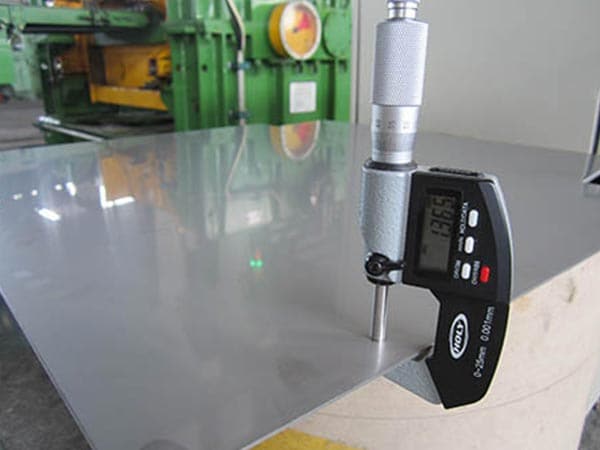
The Economic and Technical Landscape of S700MC Steel
Understanding the price dynamics of S700MC high-strength low-alloy (HSLA) steel requires a deep dive into its metallurgical composition and the value it adds to modern engineering. S700MC is a thermomechanically rolled steel characterized by a minimum yield strength of 700 MPa. While often categorized under hot-rolled standards like EN 10149-2, its application in cold-rolled or thin-gauge formats is critical for industries seeking extreme weight reduction without compromising structural integrity.
The price of S700MC is not merely a reflection of raw material costs; it represents the sophisticated thermomechanical controlled processing (TMCP) used to achieve a fine-grained microstructure. This article evaluates whether the premium price of S700MC translates into long-term savings and performance gains across various sectors.
Advantages of S700MC Price from a Structural Perspective
When analyzing the S700MC cold rolled coil price, the primary advantage lies in the concept of "strength-to-weight ratio." Engineers can replace thicker sections of conventional structural steel (like S355) with much thinner S700MC sheets. This substitution leads to a significant reduction in the overall weight of the final product.
- Material Savings: Using thinner gauges means fewer tons of steel are required to build the same structure, which often offsets the higher price per ton.
- Increased Payload: In the transport industry, lighter trailers and chassis mean higher cargo capacity, directly improving the ROI for logistics companies.
- Fuel Efficiency: For mobile machinery and automotive components, reduced weight leads to lower fuel consumption and reduced CO2 emissions, meeting stringent environmental regulations.
Mechanical Properties and Chemical Composition
The premium price of S700MC is justified by its exceptional mechanical properties. The fine-grained structure is achieved through micro-alloying with elements such as Niobium (Nb), Vanadium (V), and Titanium (Ti). These elements facilitate precipitation hardening and grain refinement during the rolling process.
| Element | Max Content (%) | Mechanical Property | Value |
|---|---|---|---|
| Carbon (C) | 0.12 | Yield Strength (MPa) | Min 700 |
| Manganese (Mn) | 2.10 | Tensile Strength (MPa) | 750 - 950 |
| Silicon (Si) | 0.60 | Elongation (A80mm) | Min 10% |
| Niobium (Nb) | 0.09 | Bending Radius (90°) | 1.5t (t < 3mm) |
These properties ensure that despite the higher initial S700MC coil price, the material performs reliably under high-stress conditions, reducing the risk of fatigue failure and extending the service life of equipment.
Processing Advantages: Weldability and Formability
One of the most significant advantages of S700MC is its excellent processing characteristics. Unlike traditional high-strength steels that can be brittle, S700MC maintains high ductility. This allows for complex cold forming and bending operations.
Weldability: Due to its low carbon equivalent (CEV), S700MC is exceptionally easy to weld using standard methods like MAG, MIG, or laser welding. It does not require preheating in most cases, which reduces labor costs and energy consumption during fabrication. This operational efficiency is a hidden factor that mitigates the high purchase price of the raw material.
Laser Cutting: The clean surface and uniform microstructure of S700MC make it ideal for high-speed laser cutting. This results in precise components with minimal edge deformation, reducing the need for secondary finishing processes.
Disadvantages and Challenges of S700MC Pricing
While the benefits are numerous, there are distinct disadvantages associated with the S700MC price and its application. The most obvious is the higher initial capital expenditure. For small-scale manufacturers or projects with tight upfront budgets, the cost per ton can be a barrier to entry.
- Springback Issues: High-strength steels exhibit greater elastic recovery (springback) after bending compared to mild steel. This requires more sophisticated tooling and precise engineering calculations, which can increase the cost of the manufacturing setup.
- Tool Wear: The high hardness and strength of S700MC can lead to faster wear on cutting tools and forming dies. Maintenance costs for machinery may rise when switching from lower-grade steels.
- Availability: S700MC is a specialized product. Market volatility and longer lead times from specialized mills can affect project timelines and price stability.
Industry Applications and Market Demand
The demand for S700MC is driven by industries where performance and weight are critical. In the crane and lifting equipment sector, S700MC allows for longer booms and higher lifting capacities. The price of the steel is a small fraction of the value provided by the enhanced machine capability.
In the automotive sector, S700MC is used for safety-critical parts such as bumper beams, chassis members, and cross-braces. The ability of the material to absorb energy during an impact while remaining lightweight makes it indispensable for modern vehicle design, especially in the era of Electric Vehicles (EVs) where battery weight must be offset.
Agricultural machinery manufacturers also utilize S700MC for plow frames and trailer components. The material's resistance to environmental stress and mechanical wear ensures that the equipment can withstand the harsh conditions of farming without adding unnecessary bulk.
Environmental Adaptability and Sustainability
The environmental impact of steel production is a growing concern. S700MC contributes to sustainability goals through material efficiency. By using 30% to 50% less steel to achieve the same structural performance, the total carbon footprint of a project is significantly reduced. This "green" aspect is becoming a competitive advantage for companies that must report on their supply chain emissions.
Furthermore, the durability of S700MC means that products have a longer lifecycle. Less frequent replacements and repairs lead to a lower total cost of ownership (TCO) and reduced resource consumption over decades of use. When viewed through the lens of sustainability, the S700MC price becomes an investment in a low-carbon future.
Factors Influencing S700MC Market Price
Several global factors influence the S700MC cold rolled coil price. These include the cost of micro-alloying elements like Niobium and Vanadium, which are subject to supply chain disruptions. Energy costs at the mills also play a role, as the TMCP process requires precise temperature control and high-pressure rolling stages.
Regional trade policies, tariffs, and the availability of high-quality scrap for EAF (Electric Arc Furnace) production also impact the final price. Buyers should look for mills that offer consistent quality certifications (such as EN 10204 3.1) to ensure that the material meets the strict requirements of S700MC, as inferior substitutes can lead to catastrophic structural failures.
Strategic Procurement of S700MC
To maximize the value of S700MC, procurement teams should focus on Total Value Analysis rather than just the price per kilogram. Partnering with suppliers who offer technical support for forming and welding can help mitigate the processing challenges associated with high-strength steel. Additionally, optimizing the nesting of parts during laser cutting can minimize scrap rates, further improving the cost-efficiency of using S700MC.
The decision to use S700MC should be based on a holistic view of the product lifecycle. From reduced manufacturing steps and lower transport costs to enhanced product performance and end-of-life recyclability, the advantages of S700MC often far outweigh the disadvantages of its premium price point. As engineering standards continue to evolve towards lighter and stronger solutions, S700MC remains at the forefront of metallurgical innovation.
Leave a message