
What is the plate en 10149-2 s460mc hot rolled automotive steel price export to India
Comprehensive analysis of EN 10149-2 S460MC hot rolled steel pricing for the Indian market, covering technical specs, mechanical performance, and export logistics.
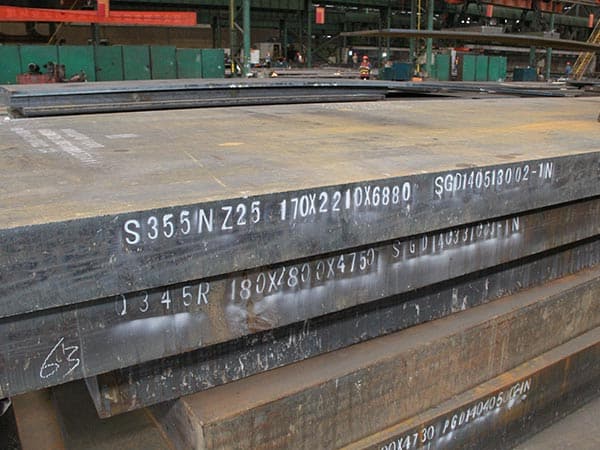
Understanding EN 10149-2 S460MC: The Backbone of Modern Automotive Engineering
EN 10149-2 S460MC represents a pinnacle in the evolution of high-yield-strength steels specifically designed for cold-forming applications. This hot-rolled steel grade is characterized by its thermomechanical rolling process, which ensures a fine-grained microstructure, providing an optimal balance between high strength and excellent formability. For Indian manufacturers in the automotive and heavy machinery sectors, S460MC offers a solution to reduce vehicle weight without compromising structural integrity. The 'S' in its designation stands for structural steel, '460' indicates a minimum yield strength of 460 MPa, 'M' denotes its thermomechanically rolled delivery condition, and 'C' signifies its suitability for cold forming. This combination makes it indispensable for components that require both toughness and complex shaping.
The Metallurgical Composition and Micro-alloying Strategy
The superior performance of S460MC is not accidental but the result of precise metallurgical engineering. Unlike traditional carbon steels, S460MC utilizes micro-alloying elements such as Niobium (Nb), Vanadium (V), and Titanium (Ti). These elements, even in small quantities, facilitate grain refinement during the thermomechanical rolling process. This fine-grain structure is the primary reason why S460MC can achieve high yield strength while maintaining high elongation values. Furthermore, the carbon content is kept strictly low to enhance weldability and prevent brittleness.
| Element | Carbon (C) max % | Manganese (Mn) max % | Silicon (Si) max % | Phosphorus (P) max % | Sulfur (S) max % | Aluminium (Al) min % |
|---|---|---|---|---|---|---|
| S460MC Value | 0.12 | 1.60 | 0.50 | 0.025 | 0.015 | 0.015 |
The inclusion of micro-alloys ensures that the steel maintains its properties even under significant stress. For the Indian market, where environmental conditions vary from extreme heat to high humidity, the chemical stability of S460MC provides a reliable foundation for long-term durability in automotive chassis and structural frames.
Mechanical Properties: Strength Meets Ductility
The mechanical properties of EN 10149-2 S460MC are what define its market value. For engineers, the yield strength is the most critical parameter, as it determines the load-bearing capacity of the part before permanent deformation occurs. S460MC provides a significant upgrade over standard S355 grades, allowing for thinner gauges to be used, which directly translates to fuel efficiency in the automotive sector.
| Property | Yield Strength (MPa) min | Tensile Strength (MPa) | Elongation (A50mm) min % | Bending Radius (180°) |
|---|---|---|---|---|
| t ≤ 3mm | 460 | 520 - 670 | 14 | 0.5t |
| 3mm < t ≤ 6mm | 460 | 520 - 670 | 15 | 1.0t |
| t > 6mm | 460 | 520 - 670 | 17 | 1.5t |
These properties ensure that the steel can withstand the rigorous stamping and bending processes common in Indian automotive assembly lines. The high elongation percentage is particularly noteworthy, as it allows for complex geometries without the risk of cracking or necking during production.
Advanced Processing Performance: Bending and Welding
One of the primary reasons S460MC is preferred for export to India is its exceptional processing performance. In cold-forming operations, the material exhibits minimal springback, which is essential for maintaining tight tolerances in mass production. When bending S460MC, it is recommended to follow the minimum bending radii specified in the standard to avoid surface micro-cracks. The fine-grained structure also provides a superior surface finish, which is beneficial for subsequent coating or painting processes.
Welding is another area where S460MC excels. Due to its low carbon equivalent (Ceq), it can be welded using all standard methods, including MIG/MAG, TIG, and submerged arc welding. The heat-affected zone (HAZ) remains stable, and the risk of cold cracking is significantly reduced compared to traditional high-strength steels. This is a critical advantage for Indian fabricators who require high-speed welding to meet increasing production demands.
Export Dynamics: Shipping S460MC to the Indian Market
Exporting EN 10149-2 S460MC to India involves navigating specific regulatory and logistical landscapes. The Indian market is highly regulated by the Bureau of Indian Standards (BIS). For a foreign steel mill to export S460MC to India, it must often possess a valid BIS certification or ensure the material meets equivalent Indian standards like IS 2062, although S460MC is often imported under specific automotive grade exemptions or quality control orders.
Logistically, the steel is typically shipped in hot-rolled coils or cut-to-length plates. Major ports such as Nhava Sheva (Mumbai), Chennai, and Mundra serve as the primary gateways for these imports. Given the long sea transit times, anti-corrosive measures such as oiling or specialized packaging are standard practice to protect the surface from the salty maritime environment.
Factors Influencing the Price of S460MC in India
The price of S460MC for export to India is influenced by several global and local factors. Understanding these variables is crucial for procurement managers looking to optimize their supply chain costs.
- Raw Material Costs: The price of iron ore, coking coal, and scrap steel directly impacts the base cost of S460MC. Fluctuations in the global commodities market are quickly reflected in export quotes.
- Energy and Production Costs: Since S460MC requires precise thermomechanical rolling, energy costs in the country of origin play a significant role.
- Freight Rates: Ocean freight costs from major steel hubs like China, Europe, or Japan to India can vary based on fuel prices and container availability.
- Exchange Rates: The USD to INR exchange rate is a critical factor, as international steel trade is primarily conducted in US Dollars.
- Import Duties and Taxes: India's Basic Customs Duty (BCD) and the Integrated Goods and Services Tax (IGST) significantly affect the final landed cost. Anti-dumping duties may also apply depending on the country of origin.
Applications in the Indian Automotive and Heavy Industry
The demand for S460MC in India is driven by the rapid expansion of the automotive sector and infrastructure projects. In the commercial vehicle segment, S460MC is used for longitudinal beams and cross members of truck chassis. By using S460MC, manufacturers can reduce the weight of the chassis by up to 20% compared to traditional S355 grades, allowing for higher payloads.
Beyond trucks, S460MC finds extensive use in the production of agricultural machinery, cranes, and earthmoving equipment. The high yield strength ensures that these machines can handle heavy loads in the demanding conditions of Indian construction sites and farms. The material's fatigue resistance is also a key factor in its selection for components subject to cyclic loading.
Strategic Sourcing and Quality Assurance
When sourcing S460MC for the Indian market, quality assurance is paramount. Buyers should demand Mill Test Certificates (MTC) according to EN 10204 3.1, which detail the chemical composition and mechanical test results for each heat. It is also advisable to verify the grain size and the specific thermomechanical rolling parameters to ensure the material will perform as expected during fabrication.
Partnering with established exporters who understand the Indian BIS requirements and logistical challenges can mitigate risks. Regular audits of the supplying mills and third-party inspections can further ensure that the S460MC plates delivered meet the highest international standards, providing the reliability needed for critical automotive safety components.
Future Trends in High-Strength Automotive Steel
The Indian steel market is moving toward even higher strength grades, but S460MC remains the 'sweet spot' for many applications due to its cost-to-performance ratio. As India implements stricter fuel efficiency and emission norms (similar to Euro VI), the push for lightweighting will only intensify. S460MC is expected to remain a core material in this transition, offering a proven, weldable, and formable solution for the next generation of Indian vehicles.
Leave a message