
Cause analysis of slag hanging in S420MC alloy steel sheet cutting process
Detailed technical analysis of slag hanging issues in S420MC steel cutting, focusing on material chemistry, thermal parameters, and practical solutions for industrial manufacturing.
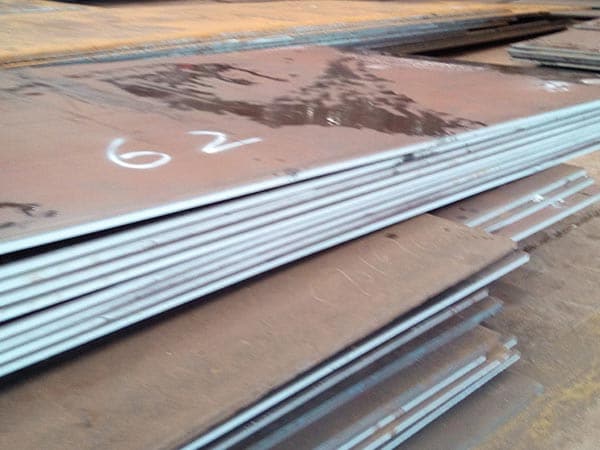
The Metallurgical Identity of S420MC and Its Impact on Thermal Cutting
S420MC is a high-strength, low-alloy (HSLA) steel grade produced through thermomechanical rolling, adhering to the EN 10149-2 standard. Its chemical composition is meticulously designed to balance high yield strength (minimum 420 MPa) with exceptional cold-forming properties. However, this specific metallurgical profile introduces unique challenges during thermal cutting processes, such as laser or plasma cutting. The presence of micro-alloying elements like niobium (Nb), vanadium (V), and titanium (Ti), while beneficial for grain refinement and strength, alters the fluid dynamics of the molten pool during cutting. When the balance between heat input and auxiliary gas pressure is disrupted, the result is often slag hanging (also known as dross), which significantly impacts the edge quality and necessitates costly secondary grinding operations.
The Fluid Dynamics of Slag Formation in S420MC
Slag hanging occurs when the molten metal generated by the high-energy beam is not completely expelled from the kerf by the auxiliary gas jet. For S420MC, the viscosity of this molten metal is a critical factor. The silicon (Si) and manganese (Mn) content in S420MC plays a dual role. Silicon acts as a deoxidizer, but in the context of laser cutting, it can increase the surface tension of the melt. If the surface tension is too high, the molten droplets tend to cling to the bottom edge of the sheet rather than being blown away. Furthermore, the thermomechanical rolling process creates a specific microstructure that responds differently to rapid heating and cooling cycles compared to traditional hot-rolled steels. The heat-affected zone (HAZ) in S420MC is relatively narrow, but the thermal gradient is steep, which can lead to localized variations in melt viscosity.
Critical Influence of Cutting Parameters
The technical root of slag hanging often lies in the mismatch of cutting parameters. For S420MC sheets, which are frequently used in thicknesses ranging from 3mm to 12mm, the following variables are decisive:
- Cutting Speed: If the speed is too high, the energy input per unit length is insufficient to melt the material fully, leading to "high-speed dross" which is typically hard and difficult to remove. Conversely, if the speed is too low, excessive heat accumulates, causing the kerf to widen and the melt to swirl, resulting in "low-speed dross" characterized by thick, globular beads.
- Gas Pressure and Purity: Oxygen (O2) is commonly used for S420MC to utilize the exothermic reaction, which aids cutting speed. However, if the pressure is too low, the kinetic energy is insufficient to clear the slag. If nitrogen (N2) is used for a cleaner finish, the pressure must be significantly higher to compensate for the lack of chemical heat.
- Focus Position: For S420MC, the focus should typically be positioned near the surface for thin sheets and deeper into the material for thicker plates. An incorrect focus point results in a divergent beam at the exit point, reducing the power density at the bottom of the kerf where slag removal is most critical.
Chemical Composition and Surface Condition
The surface of S420MC often features a thin, tightly adherent scale layer from the thermomechanical rolling process. This scale can interfere with the absorption of the laser beam. Variations in the thickness of this oxide layer can cause inconsistent melting. Moreover, the Carbon Equivalent (CEV) of S420MC is kept low to ensure weldability, but the specific ratio of alloying elements can influence the oxidation rate during cutting. A table comparing the typical chemical limits of S420MC and their influence on cutting is provided below:
| Element | Typical Max % | Effect on Cutting Process |
|---|---|---|
| Carbon (C) | 0.12 | Lower carbon reduces hardening at the edge but affects melt fluidity. |
| Silicon (Si) | 0.50 | High Si increases melt viscosity, promoting slag adhesion. |
| Manganese (Mn) | 1.60 | Enhances strength; can influence the oxygen-iron reaction rate. |
| Phosphorus (P) | 0.025 | Excessive P can lead to brittle edges and irregular dross. |
| Sulfur (S) | 0.015 | Low S is better for edge quality and reducing "slag sticking." |
Environmental Adaptability and Storage Impact
The storage environment of S420MC sheets can indirectly cause slag hanging. If the sheets are stored in high-humidity environments without proper oiling, localized oxidation or "white rust" can occur. When the cutting head passes over these oxidized areas, the thermal conductivity changes abruptly. This creates a localized imbalance in the melt pool. Furthermore, residual oils or protective coatings must be uniform. Uneven surface contaminants act as insulators or accelerants for the laser energy, leading to unpredictable slag behavior. Maintaining a consistent temperature and humidity in the processing workshop is not just about machine longevity; it is about ensuring the material's surface integrity remains constant for the cutting process.
Optimization Strategies for Dross-Free Edges
To eliminate slag hanging on S420MC, a holistic approach to process control is required. Advanced fiber laser systems now utilize beam shaping technology, which allows the operator to adjust the energy distribution of the laser spot. For S420MC, a "donut-shaped" beam profile can sometimes provide a cleaner cut in thicker sections by ensuring the edges of the kerf receive sufficient heat to keep the slag fluid until it is expelled. Additionally, the use of nozzle centering and nozzle condition monitoring is vital. A slightly damaged or off-center nozzle disrupts the coaxial flow of gas, creating a pressure shadow where slag can accumulate. Implementing a multi-stage piercing routine also prevents initial slag splatter from contaminating the nozzle, which would otherwise degrade the cut quality of the entire part.
Industry-Specific Applications and Quality Standards
S420MC is the backbone of the heavy transportation and construction machinery industries. In the production of truck chassis, crane booms, and agricultural equipment, the edge quality of cut parts is paramount. Slag hanging is not merely an aesthetic issue; it is a structural concern. Residual dross can act as a stress concentrator, potentially leading to fatigue cracks under the dynamic loads these components endure. Furthermore, in automated welding lines, any slag remaining on the edge can contaminate the weld pool, leading to porosity or inclusions. Therefore, achieving a dross-free cut on S420MC is a prerequisite for downstream manufacturing excellence. By fine-tuning the synergy between the material's metallurgical properties and the cutting system's mechanical parameters, manufacturers can achieve high-precision components that meet the rigorous demands of modern engineering.
Leave a message