
How about the cost performance of EN 10149-2 steel coil pdf
Comprehensive analysis of EN 10149-2 steel coil cost performance, covering S315MC to S700MC grades, mechanical properties, processing advantages, and industrial applications.
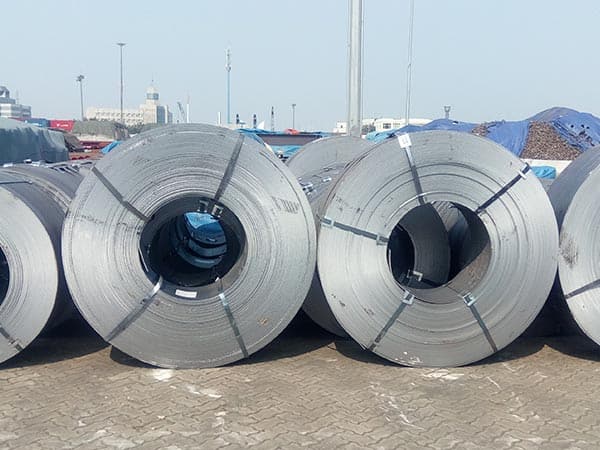
Decoding the Economic Value of EN 10149-2 Steel Coils
When engineers and procurement managers evaluate materials for structural applications, the question of cost performance often boils down to a single standard: EN 10149-2. This European standard specifies hot-rolled flat products made of high-yield strength steels for cold forming. Specifically, it focuses on thermomechanically rolled steels (designated with the suffix 'MC'). The cost-effectiveness of these materials is not merely found in the price per ton, but in the radical weight reduction and processing efficiency they offer compared to traditional structural steels like S235 or s355jr.
Understanding the EN 10149-2 steel coil pdf technicalities reveals that these steels are engineered for high-stress environments where weight is a critical factor. By utilizing a fine-grain structure achieved through controlled rolling and cooling, these grades provide a unique combination of high yield strength and excellent ductility. This allows for thinner sections to carry the same loads, directly impacting the bottom line of any manufacturing project.
Mechanical Superiority: Beyond Basic Strength
The true cost performance of EN 10149-2 is rooted in its mechanical profile. Unlike standard hot-rolled plates, MC-grade coils offer a much higher yield-to-tensile ratio. This means the material can withstand significant stress before permanent deformation occurs, which is vital for safety-critical components in the automotive and heavy machinery industries.
For instance, moving from a standard S355JR to an S700MC grade allows a designer to reduce the thickness of a component by up to 40% while maintaining the same structural integrity. This 'down-gauging' is the primary driver of cost performance. Fewer tons of steel are purchased, transport costs for the raw material decrease, and the final product is lighter, leading to fuel savings for the end-user.
| Grade | Min. Yield Strength (MPa) | Tensile Strength (MPa) | Min. Elongation (%) | Typical Applications |
|---|---|---|---|---|
| S315MC | 315 | 390-510 | 20 | Chassis parts, cold-pressed sections |
| S420MC | 420 | 480-620 | 16 | Truck frames, agricultural equipment |
| S500MC | 500 | 550-700 | 12 | Crane booms, heavy-duty trailers |
| S700MC | 700 | 750-950 | 10 | High-load structural members, lifting gear |
Processing Efficiency and Fabrication Savings
Another layer of cost performance lies in the fabrication process. EN 10149-2 steels are specifically designed for cold forming. Their low carbon content and fine-grained structure ensure that they can be bent, flanged, or folded without cracking, even at very tight radii. This reduces the scrap rate significantly compared to lower-quality steels that might fail during intensive forming operations.
- Weldability: Due to a low Carbon Equivalent Value (CEV), these steels are exceptionally easy to weld using standard methods like MIG/MAG or submerged arc welding. This eliminates the need for expensive pre-heating or post-weld heat treatments, slashing labor and energy costs.
- Laser Cutting: The clean surface and uniform microstructure of thermomechanically rolled coils make them ideal for high-speed laser cutting. This results in cleaner edges and less wear on cutting consumables.
- Surface Quality: The controlled rolling process produces a tight mill scale that is easier to remove during pickling or shot blasting, preparing the surface for high-quality painting or galvanizing more efficiently.
Environmental Adaptability and Lifecycle Longevity
Cost performance isn't just about the initial build; it's about how the material survives in the real world. EN 10149-2 grades exhibit excellent low-temperature toughness. Many of these grades are tested at -20°C or even -40°C to ensure they don't undergo brittle fracture in harsh climates. For equipment operating in Nordic regions or high-altitude mining sites, this reliability prevents catastrophic failures and expensive downtime.
Furthermore, the high fatigue strength of grades like S550MC and S700MC ensures that structures can withstand millions of load cycles. In the transport industry, this translates to a longer service life for trailers and truck bodies, providing a better return on investment for fleet owners. The ability to resist deformation under repeated stress means less maintenance and fewer repairs over the product's lifespan.
Strategic Industry Applications
The adoption of EN 10149-2 is most prevalent in sectors where weight-to-strength ratios dictate profitability. In the automotive sector, it is used for longitudinal beams, cross members, and chassis components. By using high-strength steel, manufacturers can meet stringent safety standards while keeping the vehicle weight low to comply with emission regulations.
In the construction and lifting industry, the use of S700MC in crane booms allows for longer reach and higher lifting capacities without increasing the overall weight of the crane. This makes the equipment more versatile and easier to transport between job sites. Agricultural machinery manufacturers also utilize these steels for plow frames and trailer chassis, where the material must withstand both high mechanical loads and abrasive environments.
Evaluating the Total Cost of Ownership
To truly answer how the cost performance of EN 10149-2 stacks up, one must look at the Total Cost of Ownership (TCO). While the base price per kg of an S700MC coil is higher than that of S235JR, the overall project cost often decreases.
Consider a project requiring 100 tons of S235JR. By switching to S500MC, you might only need 65 tons of steel to achieve the same structural performance. Even if the S500MC is 20% more expensive per ton, the 35% reduction in weight leads to a lower total material spend. When you add the savings from reduced welding wire usage, lower shipping costs for the finished product, and increased payload capacity for the end-user, the EN 10149-2 series emerges as the clear winner in high-performance engineering.
Selecting the right grade from the EN 10149-2 steel coil pdf involves balancing the required yield strength with the necessary formability. As the yield strength increases, the minimum bending radius also increases, so engineering teams must match the material grade precisely to their fabrication capabilities to maximize the economic benefits.
Leave a message