
How to remove rust of S650MC steel for construction machinery
Discover professional methods for removing rust from S650MC high-strength steel used in construction machinery. This guide covers mechanical, chemical, and laser techniques to ensure structural integrity and longevity.
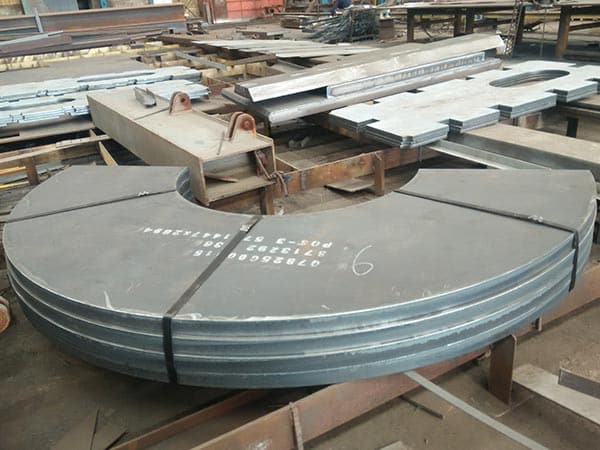
Understanding S650MC Steel and the Challenges of Oxidation
S650MC is a high-yield-strength, cold-forming steel produced via thermomechanical rolling, primarily governed by the EN 10149-2 standard. Within heavy-duty equipment manufacturing, this material is prized for its exceptional strength-to-weight ratio, allowing for the design of lighter yet more robust crane booms, truck chassis, and agricultural implements. However, its sophisticated microstructure, characterized by fine grain refinement and specific micro-alloying elements like niobium and titanium, makes it sensitive to surface degradation. Rust, or iron oxide, is not merely a cosmetic issue for S650MC; it can act as a site for stress concentration, potentially leading to fatigue cracks under the extreme cyclic loads typical of construction environments.
Removing rust from S650MC requires a nuanced approach that balances efficiency with the preservation of the steel's mechanical properties. Unlike standard mild steels, high-strength low-alloy (HSLA) steels like S650MC must be treated with care to avoid hydrogen embrittlement or excessive heat-affected zones during cleaning processes. Ensuring a clean, oxide-free surface is critical before welding or painting to guarantee the long-term durability of the machinery.
Mechanical Rust Removal: Precision and Impact
Mechanical methods remain the most common choice for large-scale construction machinery components. These techniques physically dislodge the rust layer through abrasion or impact.
- Shot Blasting and Sandblasting: This is the industry standard for preparing S650MC plates and structural parts. Using steel grit or garnet, shot blasting removes heavy scale and rust while creating a specific surface profile (roughness) that enhances paint adhesion. For S650MC, it is vital to control the blast pressure to avoid excessive work hardening of the surface layer, which could affect subsequent cold-forming operations.
- Power Tool Cleaning: For localized rust or weld preparation, angle grinders with wire wheels or abrasive discs are effective. Operators must ensure they do not overheat the steel, as localized heat can alter the tempered state of the HSLA structure.
- Needle Scaling: Often used for corners and complex geometries in chassis frames, needle scalers use reciprocating steel needles to chip away thick rust. While effective, this method is slower and typically used for maintenance rather than primary production.
Chemical Pickling: Deep Cleaning for Complex Shapes
Chemical rust removal, or pickling, involves immersing S650MC components in acidic solutions to dissolve oxides. This method is particularly useful for parts with intricate designs where mechanical tools cannot reach.
Hydrochloric Acid (HCl) Pickling: This is a fast-acting method but requires strict control. For high-strength steels like S650MC, the risk of hydrogen embrittlement is a significant concern. Hydrogen atoms can penetrate the steel lattice during the acid bath, leading to sudden brittle failure. To mitigate this, acid inhibitors must be used, and a post-pickling "baking" process may be necessary to drive out absorbed hydrogen.
Phosphoric Acid Treatment: A safer alternative for S650MC is phosphoric acid. It reacts with iron oxide to form a thin layer of iron phosphate. This layer not only removes the rust but also provides a temporary protective coating that acts as an excellent primer for subsequent painting. It is less aggressive than HCl and significantly reduces the risk of damaging the base metal's integrity.
Laser Cleaning: The Modern Technological Frontier
Laser cleaning has emerged as a revolutionary method for treating S650MC steel in high-tech manufacturing environments. This non-contact process uses high-intensity laser pulses to vaporize rust without affecting the underlying substrate.
The primary advantage for S650MC is the precision. The laser can be tuned to remove only the oxide layer, leaving the fine-grained microstructure of the steel untouched. There is no chemical waste, no abrasive dust, and virtually no mechanical stress applied to the part. For critical components like telescopic crane sections, laser cleaning ensures that the tight tolerances and surface smoothness required for sliding mechanisms are maintained. While the initial investment in laser technology is higher, the operational efficiency and lack of consumables make it a sustainable choice for premium machinery brands.
Comparative Analysis of Rust Removal Methods
| Method | Efficiency | Surface Quality | Risk to S650MC Properties | Environmental Impact |
|---|---|---|---|---|
| Shot Blasting | High | Excellent for Painting | Low (if pressure is controlled) | Moderate (Dust/Waste) |
| Chemical Pickling | Moderate | Very Clean | High (Hydrogen Embrittlement) | High (Chemical Disposal) |
| Laser Cleaning | High (Automated) | Superior | Negligible | Low (Eco-friendly) |
| Manual Grinding | Low | Variable | Moderate (Heat Risk) | Low |
Process Performance and Environmental Adaptability
The choice of rust removal directly influences the process performance of S650MC. For instance, a surface cleaned via shot blasting provides the ideal "anchor pattern" for high-performance epoxy coatings, which are essential for machinery operating in corrosive coastal or industrial environments. S650MC’s low carbon equivalent ensures good weldability, but only if the rust is completely removed from the weld zone. Residual oxides can cause porosity and slag inclusions, compromising the structural safety of the joint.
In terms of environmental adaptability, S650MC is often used in equipment that faces extreme temperature fluctuations and humidity. Effective rust removal followed by immediate sealing (painting or galvanizing) is the only way to prevent the rapid re-oxidation of the high-purity iron found in HSLA steels. If the steel is to be used in its bare state for a short period, applying a thin film of rust-preventative oil after cleaning is a mandatory step in the workshop workflow.
Strategic Recommendations for Maintenance
Maintaining S650MC components requires a proactive strategy. Regular inspections should focus on areas where moisture traps are common, such as bolted joints and hollow sections. If rust is detected, the removal method should be chosen based on the depth of the oxidation and the criticality of the component. For structural load-bearing members, mechanical cleaning followed by NDT (Non-Destructive Testing) is recommended to ensure that the rust hasn't masked any underlying stress cracks.
By integrating these professional rust removal techniques, manufacturers can maximize the service life of S650MC steel, ensuring that the construction machinery remains safe, efficient, and capable of performing under the most demanding conditions. The synergy between advanced material science and precise surface treatment is the cornerstone of modern engineering excellence.
Leave a message