
What is ZQS700L cold forming automobile structure steel steel
Comprehensive guide to ZQS700L cold forming automobile structure steel, covering its mechanical properties, chemical composition, welding performance, and industrial applications.
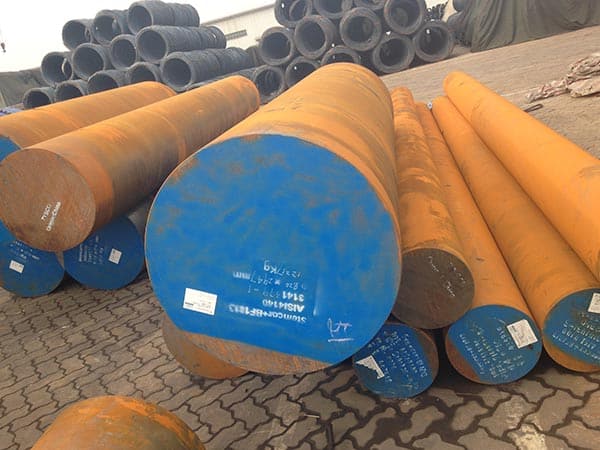
The Evolution of High-Strength Automotive Steel: Understanding ZQS700L
Modern automotive engineering demands materials that balance extreme strength with significant weight reduction. ZQS700L stands at the forefront of this technological shift. As a high-strength low-alloy (HSLA) steel specifically designed for cold forming, ZQS700L provides the structural integrity required for heavy-duty vehicle components while allowing manufacturers to shed unnecessary mass. The "700" in its designation refers to its minimum yield strength of 700 MPa, a benchmark that places it in the elite category of structural steels used for chassis and frame construction.
Chemical Composition and Micro-Alloying Logic
The performance of ZQS700L is not accidental; it is the result of precise metallurgical engineering. Unlike traditional carbon steels, ZQS700L utilizes a sophisticated micro-alloying strategy. By adding trace amounts of Niobium (Nb), Titanium (Ti), and Vanadium (V), the steel achieves grain refinement and precipitation hardening. This allows the material to reach high strength levels without the brittleness often associated with high carbon content.
| Element | Carbon (C) | Manganese (Mn) | Silicon (Si) | Phosphorus (P) | Sulfur (S) | Nb+Ti+V |
|---|---|---|---|---|---|---|
| Content (%) | ≤ 0.12 | ≤ 2.00 | ≤ 0.50 | ≤ 0.025 | ≤ 0.015 | ≤ 0.22 |
Low carbon content is critical for ensuring that the steel remains weldable and ductile. The inclusion of Manganese enhances hardenability and solid solution strengthening, while the controlled Sulfur and Phosphorus levels minimize internal defects, ensuring the steel can withstand the stresses of cold stamping and bending without cracking.
Mechanical Properties: Strength Meets Ductility
The primary reason engineers specify ZQS700L is its exceptional mechanical profile. It offers a high yield-to-tensile ratio, which is essential for energy absorption during structural loading. While the yield strength is guaranteed at a minimum of 700 MPa, the tensile strength typically ranges between 750 and 950 MPa. This gap ensures that the material can undergo plastic deformation before ultimate failure, a vital safety feature in automotive design.
| Property | Yield Strength (MPa) | Tensile Strength (MPa) | Elongation A80mm (%) | 180° Cold Bend (d=a) |
|---|---|---|---|---|
| Value | ≥ 700 | 750 - 950 | ≥ 12 | Qualified |
Despite its high strength, ZQS700L maintains an elongation of at least 12%, which is remarkable for a 700MPa grade. This ductility allows for complex geometries to be formed through cold pressing, reducing the need for multi-part assemblies and heavy welding seams.
Superior Cold Forming and Processing Performance
Cold forming is a cost-effective manufacturing process, but it places immense strain on the material. ZQS700L is engineered to handle these stresses through optimized grain structures. Manufacturers benefit from its consistent springback characteristics, which allow for high-precision component production. When designing dies for ZQS700L, engineers must account for the higher force required compared to 510L or 600L grades, but the resulting parts are significantly stiffer and more durable.
- Bending Performance: ZQS700L can typically be bent 180 degrees with a radius equal to the thickness of the plate, showcasing its resistance to surface cracking.
- Stamping Stability: The material exhibits uniform thickness distribution even after deep drawing processes.
- Hole Expansion: It possesses excellent hole expansion properties, making it ideal for punched structural members.
Weldability in Automated Production Lines
In the assembly of truck frames and specialized vehicle bodies, welding efficiency is paramount. ZQS700L features a low carbon equivalent (Ceq), which significantly reduces the risk of cold cracking in the heat-affected zone (HAZ). It is compatible with standard welding techniques such as MAG (Metal Active Gas), MIG (Metal Inert Gas), and resistance welding. Because the strength is derived from micro-alloying rather than heat treatment, the loss of strength in the weld area is minimal, maintaining the structural integrity of the entire assembly.
Environmental Adaptability and Fatigue Resistance
Automobile structures are frequently exposed to harsh environments, from corrosive road salts to extreme temperature fluctuations. ZQS700L’s fine-grained structure provides an inherent advantage in fatigue resistance. Under cyclic loading—common in heavy-duty transport—this steel resists the initiation and propagation of micro-cracks. Furthermore, when treated with modern coating technologies like galvanization or specialized primers, ZQS700L demonstrates excellent corrosion resistance, extending the service life of the vehicle chassis.
Key Industry Applications
The adoption of ZQS700L has revolutionized several sectors within the transportation and machinery industries. By replacing thicker, lower-grade steels with thinner ZQS700L, manufacturers can reduce vehicle weight by 15% to 25% without sacrificing load-bearing capacity. This directly translates to improved fuel efficiency and increased payload for commercial operators.
- Truck Chassis Frames: The longitudinal beams and crossmembers of heavy trucks require the high bending stiffness provided by ZQS700L.
- Construction Machinery: Crane booms and concrete pump arms utilize the high strength-to-weight ratio to reach greater heights and distances.
- Container Trailers: Lightweight trailer designs rely on 700MPa steel to meet strict road weight regulations while hauling maximum cargo.
- Agricultural Equipment: High-stress components in harvesters and plows benefit from the impact toughness of this grade.
Economic Impact and Sustainability
While the per-ton cost of ZQS700L may be higher than standard structural steel, the total cost of ownership is often lower. The ability to use thinner gauges reduces the total volume of steel required for a project. Additionally, the reduction in vehicle weight leads to lower CO2 emissions over the lifespan of the vehicle, aligning with global sustainability goals. For manufacturers, the excellent formability reduces scrap rates and processing time, further optimizing the production cycle.
Comparison with Other Automotive Grades
When compared to 510L or 610L, ZQS700L offers a significant jump in yield strength. While 510L is often sufficient for light-duty brackets, ZQS700L is the material of choice for the primary load path in heavy-duty applications. It bridges the gap between traditional structural steels and ultra-high-strength steels (UHSS) used in passenger car safety cages, providing a balance of formability and raw power that is unique to the HSLA category.
Technical Implementation Considerations
Utilizing ZQS700L requires a deep understanding of its physical limits. During the cold forming process, the shear edges should be smooth to prevent stress concentration. If thermal cutting (like laser or plasma) is used, the edges may harden slightly, and subsequent bending should be performed with care. Proper lubrication during stamping is also recommended to extend tool life and ensure a high-quality surface finish. By following these technical guidelines, manufacturers can fully leverage the advanced properties of this remarkable automobile structure steel.
Leave a message