
How to remove rust of S900MC
Discover the most effective methods for removing rust from S900MC high-strength steel. This comprehensive guide covers mechanical, chemical, and laser cleaning techniques while ensuring the mechanical integrity and hydrogen embrittlement resistance of the
Understanding the Sensitivity of S900MC High-Strength Steel to Corrosion
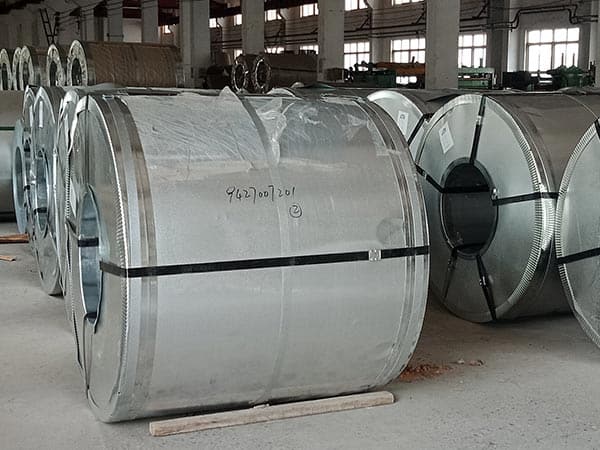
S900MC is a high-strength cold-forming steel produced by thermomechanical rolling, adhering to the EN 10149-2 standard. With a minimum yield strength of 900 MPa, it is engineered for weight-saving applications in crane construction, chassis manufacturing, and heavy-duty transport. However, despite its superior mechanical properties, S900MC is a low-alloy carbon steel, making it highly susceptible to oxidation when exposed to moisture and oxygen. Removing rust from S900MC is not merely an aesthetic concern; it is a critical maintenance step to prevent stress concentration points that could lead to premature fatigue failure in high-load environments.
Mechanical Rust Removal: Precision and Surface Integrity
Mechanical methods are often the first line of defense against surface oxidation. For S900MC, the choice of abrasive media is vital to avoid compromising the thin, high-strength cross-sections typical of this grade.
- Abrasive Blasting (Sandblasting): Utilizing steel grit or garnet to achieve an Sa 2.5 or Sa 3.0 cleanliness level. For S900MC, it is essential to control the blast pressure to prevent excessive work hardening of the surface layer, which can alter the local ductility.
- Power Tool Cleaning: Using wire brushes or grinding discs is effective for localized rust. However, operators must avoid overheating the steel. S900MC derives its strength from a specific thermomechanical microstructure; localized high heat from aggressive grinding can cause tempering effects, reducing the yield strength in that specific zone.
- Needle Scaling: Useful for heavy scale removal on thicker S900MC components, though it should be followed by a finer abrasive process to smooth out surface indentations that act as stress risers.
Chemical Rust Removal and the Risk of Hydrogen Embrittlement
Chemical pickling is highly efficient for complex geometries where mechanical tools cannot reach. However, when dealing with S900MC, the chemical process must be strictly controlled due to the risk of Hydrogen Embrittlement (HE).
High-strength steels (above 800 MPa) are particularly vulnerable to hydrogen atoms diffusing into the crystal lattice during acid cleaning. When S900MC is immersed in hydrochloric (HCl) or sulfuric (H2SO4) acid, the reaction releases atomic hydrogen. If these atoms penetrate the steel, they can cause sudden, brittle fractures under load.
Safe Chemical Practices for S900MC:
- Use of Inhibitors: Always add high-quality acid inhibitors to the pickling bath. These chemicals form a protective film on the clean steel surface, slowing down the acid's attack on the base metal and significantly reducing hydrogen evolution.
- Temperature Control: Keep the pickling bath at the lower end of the recommended temperature range to slow the diffusion rate of hydrogen.
- Baking Post-Pickling: If S900MC parts are pickled, they should ideally undergo a de-embrittlement baking process (typically 190°C to 210°C for several hours) to drive out any absorbed hydrogen.
Laser Cleaning: The Modern Solution for S900MC
Laser cleaning has emerged as the gold standard for rust removal on high-performance alloys like S900MC. This non-contact method uses high-frequency laser pulses to sublimate rust without affecting the underlying substrate.
Advantages for S900MC:
- No Chemical Risk: Since no acids are used, the risk of hydrogen embrittlement is completely eliminated.
- Minimal Thermal Impact: The pulse duration is so short that the Heat Affected Zone (HAZ) is negligible, preserving the thermomechanical properties of the S900MC grade.
- Precision: It can remove rust layers micrometer by micrometer, ensuring that the critical thickness of high-strength components is maintained.
Comparative Analysis of Rust Removal Methods for S900MC
| Method | Efficiency | Surface Quality | Hydrogen Risk | Cost Factor |
|---|---|---|---|---|
| Sandblasting | High | Rough (Good for Paint) | Zero | Moderate |
| Acid Pickling | Very High | Very Clean | High (Requires Care) | Low |
| Laser Cleaning | Moderate/High | Excellent | Zero | High (Initial) |
| Manual Grinding | Low | Variable | Zero | Low |
Post-Removal Protection: Ensuring Long-term Stability
Once the rust is removed, the reactive surface of S900MC will oxidize again almost immediately if left unprotected. The high-strength nature of the steel requires specific coating strategies.
1. Passivation: Immediately after chemical cleaning, a phosphate or chromate-free conversion coating should be applied to stabilize the surface.
2. Oil-Based Temporary Protection: For parts awaiting further processing, a thin layer of anti-rust oil with high polar affinity is recommended.
3. High-Performance Coating Systems: S900MC is frequently used in mobile machinery. Epoxy primers followed by polyurethane topcoats provide the necessary flexibility and corrosion resistance to match the structural durability of the steel.
Environmental and Process Considerations
When removing rust from S900MC, environmental factors play a significant role. If the steel is located in a coastal or industrial environment with high chloride levels, the cleaning process must include a chloride-neutralization step. Chlorides trapped in the pits of the steel can cause "re-rusting" even under a new coat of paint. Using deionized water for the final rinse after any chemical process is a professional standard that ensures the longevity of the S900MC component.
Furthermore, the structural integrity of S900MC relies on its surface smoothness. Deep pitting caused by neglected rust can act as a stress concentrator. If the rust removal process reveals pits deeper than the manufacturer's allowed tolerance (typically found in the EN 10163 standard), the component may need to be downgraded or scrapped, as welding repairs on S900MC require extremely strict heat control to avoid softening the material.
By selecting the correct rust removal method—prioritizing laser or inhibited chemical cleaning—and following up with robust surface protection, the exceptional mechanical advantages of S900MC can be preserved throughout the lifecycle of the equipment.
Leave a message