
What is the 700mce with hot rolled
Explore the comprehensive technical profile of 700MCE hot rolled steel. This guide details its metallurgical composition, mechanical strength, superior formability, and industrial applications for lightweighting and high-load structures.
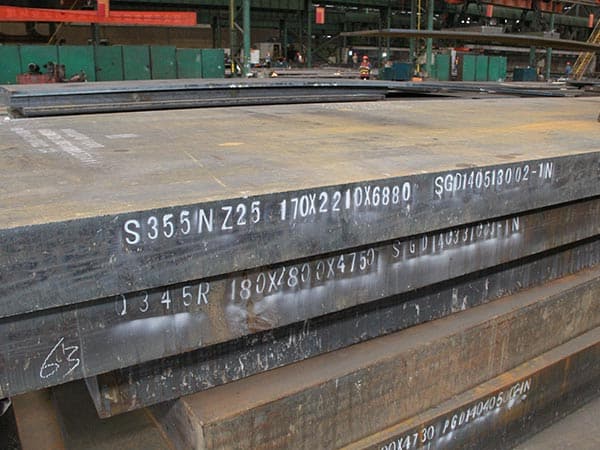
Understanding 700MCE: The Pinnacle of Hot Rolled High-Strength Steel
700MCE is a high-strength low-alloy (HSLA) steel grade produced through a sophisticated thermomechanical rolling process. The designation '700' refers to its minimum yield strength of 700 megapascals (MPa), while 'MC' indicates it is thermomechanically rolled (M) and designed for cold forming (C). The 'E' often signifies enhanced properties or specific manufacturer-driven compliance with high-end structural requirements. This material represents a significant leap from traditional structural steels, offering a unique combination of extreme strength, weight reduction potential, and excellent processing characteristics. Unlike conventional steels that gain strength through high carbon content, 700MCE achieves its properties through micro-alloying and precise temperature control during the rolling phase.
The Metallurgy Behind 700MCE: TMCP and Micro-alloying
The performance of 700MCE is rooted in its fine-grained microstructure. This is achieved via the Thermomechanical Control Process (TMCP). During hot rolling, the steel is subjected to controlled deformation at specific temperature ranges, which prevents the natural growth of austenite grains. By adding micro-alloying elements such as Niobium (Nb), Vanadium (V), and Titanium (Ti), the steel forms carbonitrides that 'pin' the grain boundaries. This results in an incredibly fine ferrite-bainite grain structure. This metallurgical approach allows the steel to maintain low carbon levels, which is critical for maintaining weldability and ductility while achieving yield strengths that are more than double those of standard S355 grades.
Chemical Composition and Material Integrity
The chemical balance of 700MCE is engineered to optimize the Carbon Equivalent Value (CEV). A low CEV is the primary reason this high-strength steel remains easy to weld without the high risk of cold cracking. The following table outlines the typical chemical limits for high-quality 700MCE hot rolled steel:
| Element | Max Percentage (%) |
|---|---|
| Carbon (C) | 0.12 |
| Manganese (Mn) | 2.10 |
| Silicon (Si) | 0.60 |
| Phosphorus (P) | 0.025 |
| Sulphur (S) | 0.015 |
| Aluminum (Al) | 0.015 (min) |
| Nb + V + Ti | 0.22 |
The inclusion of Aluminum acts as a deoxidizer and further aids in grain refinement. The strict control over Phosphorus and Sulphur ensures high internal purity, which reduces the likelihood of lamellar tearing and improves the steel's impact toughness at low temperatures.
Mechanical Performance: Beyond the 700 MPa Yield
While the yield strength is the headline feature, the mechanical profile of 700MCE is multi-dimensional. It provides a high tensile-to-yield ratio, which is vital for energy absorption in crash-relevant components or heavy-duty machinery. The elongation properties are surprisingly high for a material of this strength level, allowing for complex geometric shaping during fabrication.
- Minimum Yield Strength: 700 MPa
- Tensile Strength: 750 - 950 MPa
- Minimum Elongation (A50): 12% to 14% depending on thickness
- Impact Strength: Typically tested at -20°C or -40°C to ensure brittle fracture resistance
These properties make 700MCE an ideal candidate for 'lightweighting' strategies. By using a material with higher load-bearing capacity, engineers can reduce the thickness of structural members, leading to significant weight savings without sacrificing safety or durability.
Superior Processing Characteristics: Bending and Welding
One of the primary advantages of 700MCE is its cold-forming capability. Despite its high strength, the steel can be bent to tight radii. This is essential for manufacturing U-beams, C-channels, and complex chassis frames. When bending 700MCE, it is important to consider the springback effect, which is more pronounced than in softer steels. Tooling must be adjusted to account for this elastic recovery.
Welding 700MCE is remarkably straightforward due to its low carbon content. It can be welded using all standard methods, including MAG (Metal Active Gas), MIG, and laser welding. Because the strength is derived from the TMCP process rather than heat treatment, users must manage the heat input. Excessive heat can cause grain growth in the Heat Affected Zone (HAZ), potentially leading to a localized reduction in strength. Using low-hydrogen consumables and maintaining controlled interpass temperatures ensures the integrity of the welded joint.
Environmental Adaptability and Durability
700MCE demonstrates excellent environmental resilience. Its fine-grained structure provides better resistance to atmospheric corrosion compared to coarse-grained mild steels. Furthermore, its performance in low-temperature environments makes it suitable for equipment operating in arctic conditions or high-altitude settings. The material's high fatigue strength is another critical factor; it can withstand cyclic loading over long periods, which is a common requirement for transport trailers and mobile cranes.
Strategic Industrial Applications
The adoption of 700MCE has revolutionized several heavy industries. By replacing thicker, heavier S355 or S460 plates with thinner 700MCE, manufacturers can increase the payload of vehicles and reduce fuel consumption.
- Automotive and Transport: Truck chassis frames, cross members, and trailer side walls.
- Lifting and Construction: Telescopic crane booms, aerial work platforms, and concrete pump arms.
- Agricultural Machinery: Chassis for harvesters, spreaders, and heavy-duty plows.
- Mining and Earthmoving: Structural components for dump bodies and support structures.
In the crane industry, specifically, the use of 700MCE allows for longer boom reaches and higher lifting capacities while keeping the overall weight of the crane within road-legal limits. This is a prime example of how material science drives engineering innovation.
Comparative Advantage: 700MCE vs. Conventional Steel
When comparing 700MCE to standard hot rolled steels like S355, the economic benefits become clear. Although the price per ton of 700MCE is higher, the 'cost per unit of strength' is often lower. Because you can use 30% to 50% less material to achieve the same structural integrity, the total project weight decreases. This leads to lower shipping costs, less welding filler metal required, and faster assembly times. Furthermore, the lifecycle benefits, such as reduced carbon emissions due to lighter transport vehicles, align with global sustainability mandates.
Optimizing the Use of 700MCE in Modern Design
To fully leverage 700MCE, designers must move away from 'thickness-for-thickness' replacement. Engineering software and Finite Element Analysis (FEA) should be used to optimize shapes that take advantage of the 700 MPa yield. Special attention should be paid to the orientation of the rolling direction during cutting, as the longitudinal and transverse properties, while similar, can influence the minimum bending radius. By integrating 700MCE into the early stages of product development, companies can create high-performance products that are both lighter and stronger than those of their competitors.
Leave a message