
What are the precautions during the processing of strenx steel
Discover the essential precautions for processing Strenx high-strength steel. This expert guide covers thermal cutting, welding, cold forming, and machining to ensure maximum structural performance and safety.
Understanding the Material DNA of Strenx Steel
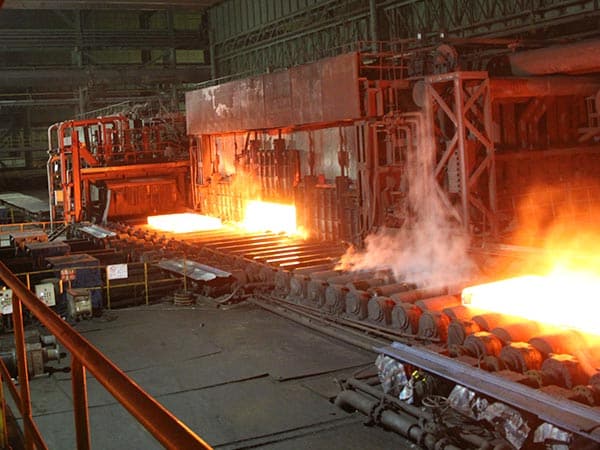
Strenx high-strength structural steel is engineered to reduce weight and increase performance in demanding mechanical environments. Unlike standard carbon steels, Strenx relies on a precise thermomechanical rolling process that creates a fine-grained microstructure. This unique 'Material DNA' provides an exceptional strength-to-weight ratio, but it also dictates specific requirements during workshop processing. When handling grades like Strenx 700, 900, or 1100, the primary objective is to maintain the integrity of this microstructure. Any deviation from recommended processing temperatures or mechanical stress limits can lead to localized softening, cracking, or loss of toughness. Professional workshops must treat Strenx as a high-performance alloy, where every step—from storage to final assembly—influences the final product's safety and longevity.
Precautions for Thermal Cutting: Laser, Plasma, and Flame
Thermal cutting is often the first step in the fabrication chain. For Strenx steel, the Heat Affected Zone (HAZ) created during cutting is the most critical factor. Laser cutting is the preferred method because it offers the lowest heat input and the narrowest HAZ. This precision ensures that the edges remain hard and the structural properties are preserved close to the cut. When using plasma cutting, especially underwater plasma, the cooling effect helps minimize the HAZ, although it may increase the risk of edge hardening. Flame cutting (oxy-fuel) should be used with caution on thinner plates, as the high heat input can cause significant distortion and softening of the material edges. It is essential to ensure that the plate is at room temperature before starting. If cutting multiple parts from a single sheet, a strategic cutting sequence should be employed to distribute heat evenly and prevent internal stresses from warping the plate.
- Always use sharp nozzles and clean optics to ensure a clean cut and minimize re-work.
- Preheating is generally not required for Strenx grades up to 900 MPa when laser cutting, but check thickness-specific guidelines for flame cutting.
- Remove any scale or rust from the cutting path to prevent impurities from entering the melt pool.
Critical Welding Protocols for High-Strength Integrity
Welding Strenx steel requires a disciplined approach to heat management. The goal is to achieve a weld joint that matches the strength and toughness of the parent metal without creating a brittle HAZ. The most vital precaution is controlling the heat input (Q). High heat input slows the cooling rate, which can lead to grain growth and a significant reduction in yield strength. Conversely, too low a heat input can cause fast cooling and the formation of brittle martensite, leading to hydrogen cracking. The 't8/5' cooling time—the time it takes for the weld to cool from 800°C to 500°C—must be kept within the range recommended by the manufacturer. For Strenx 700, this typically falls between 5 and 20 seconds. Hydrogen management is equally critical; only use low-hydrogen consumables (HD < 5 ml/100g) and ensure they are stored in heated cabinets to prevent moisture absorption.
| Welding Parameter | Precautionary Measure | Impact on Strenx Performance |
|---|---|---|
| Heat Input | Keep between 0.5 - 1.5 kJ/mm | Prevents excessive softening in the HAZ. |
| Consumables | Use undermatching or matching fillers | Reduces residual stress and risk of cracking. |
| Preheat Temp | Usually not required < 20mm | Avoids unnecessary thermal cycling. |
| Interpass Temp | Limit to maximum 150°C - 200°C | Maintains the fine-grained structure. |
Cold Forming and Bending: Managing Springback and Radius
Strenx steel is renowned for its excellent formability, but its high yield strength means it behaves differently than mild steel during bending. The first precaution is the minimum bend radius (R). Using a radius that is too small will cause surface tension to exceed the material's limit, resulting in micro-cracks on the outer radius. As a general rule, the higher the grade of Strenx, the larger the required bend radius. Furthermore, springback is significantly higher in Strenx steels. A Strenx 900 plate will 'spring back' much more than a S355 plate, requiring the operator to over-bend the part to achieve the desired angle. It is also vital to consider the rolling direction. Whenever possible, bend the steel perpendicular to the rolling direction to maximize ductility. If bending parallel to the rolling direction, the minimum radius must be increased. Ensure that the bending tools—the die and the punch—are in excellent condition and well-lubricated to reduce friction and surface damage.
- Inspect the plate surface for scratches or grinding marks before bending; these can act as stress concentrators.
- Grind the edges of the plate in the bending zone to a smooth, rounded profile to prevent edge cracking.
- Use a wider die opening (V-width) to reduce the required bending force and minimize tool wear.
Machining Strenx: Tooling and Speed Optimization
Machining high-strength steel like Strenx 1100 or 1300 requires high-performance tooling and rigid setups. Because the material is tough, it can cause rapid tool wear if the wrong parameters are used. Drilling should be performed with high-quality HSS-Co (Cobalt) or solid carbide drills. The key precaution here is to maintain a constant feed rate; if the drill dwells without cutting, the material will work-harden, making further penetration nearly impossible. For milling, use coated carbide inserts designed for hardened steels. Vibration is the enemy of tool life, so ensure the workpiece is clamped securely and the tool overhang is kept to a minimum. Cooling is essential—use a high-pressure coolant system to flush chips away and keep the cutting edge cool, preventing thermal degradation of the tool coating.
Environmental Adaptability and Long-term Maintenance
Strenx steel is often used in harsh environments, from sub-zero arctic temperatures to abrasive mining sites. While the material has excellent impact toughness at low temperatures (often down to -40°C or -60°C), precautions must be taken during the surface treatment phase. If the steel is to be galvanized, be aware of the risk of Liquid Metal Embrittlement (LME). High-strength steels are more sensitive to the pickling acids used in galvanizing, which can introduce hydrogen into the steel. For painting, ensure the surface is blasted to a cleanliness level of Sa 2.5 to provide a good anchor pattern for coatings. In service, regular inspections should focus on weld toes and bend radii, where stress concentrations are highest. Proper maintenance ensures that the weight-saving benefits of Strenx do not come at the cost of long-term structural reliability.
Advanced Industry Applications and Material Synergy
The strategic use of Strenx steel across the lifting, transportation, and construction sectors has redefined what is possible in structural engineering. In the mobile crane industry, Strenx 1100 allows for longer boom reaches without increasing the overall weight of the vehicle, directly enhancing lifting capacity and safety. In the trailer and container industry, replacing standard steel with Strenx 700 can reduce chassis weight by up to 30%, leading to lower fuel consumption and higher payloads. These advantages are only realized when the processing precautions mentioned above are strictly followed. The synergy between advanced material properties and precision workshop execution allows manufacturers to create products that are not only stronger and lighter but also more sustainable. By reducing the amount of steel required for a structure, the overall carbon footprint of the manufacturing process is significantly lowered, aligning technical excellence with environmental responsibility.
Adhering to these processing guidelines ensures that Strenx steel delivers its promised performance. Whether it is the precision of a laser cut, the integrity of a low-hydrogen weld, or the accuracy of a high-radius bend, every detail matters. Workshops that master these techniques position themselves at the forefront of modern steel fabrication, capable of delivering the next generation of high-performance machinery and infrastructure.
Leave a message