
How to repair corrosion pits on S500MC automotive steel coil
Learn professional techniques for repairing corrosion pits on S500MC automotive steel coils. This guide covers assessment, mechanical and chemical restoration, and prevention strategies to maintain structural integrity.
Understanding S500MC Steel and the Impact of Corrosion Pitting
S500MC is a high-strength low-alloy (HSLA) steel grade compliant with the EN 10149-2 standard, specifically designed for cold-forming applications in the automotive industry. Known for its thermomechanically rolled process, it offers a minimum yield strength of 500 MPa, making it a preferred choice for chassis, longitudinal beams, and cross members where weight reduction and structural durability are paramount. However, despite its robust mechanical properties, S500MC is susceptible to corrosion pitting if stored in high-humidity environments or exposed to corrosive agents during transit. Pitting is a localized form of corrosion that creates small holes or 'pits' in the metal, which can act as stress concentrators and potentially lead to fatigue failure.
Initial Assessment of Pitting Depth and Severity
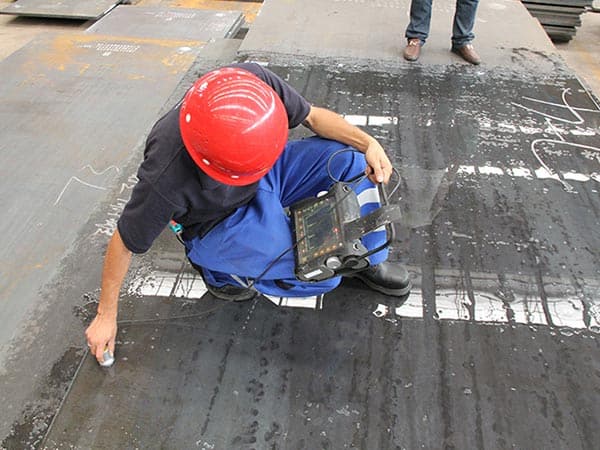
Before initiating any repair process, a technical evaluation of the corrosion depth is mandatory. For automotive structural components, the tolerance for surface defects is often governed by internal OEM standards or international norms like ASTM G46. Professionals use ultrasonic thickness gauges or digital pit depth gauges to quantify the damage. If the pit depth exceeds 10% of the nominal thickness of the S500MC coil, the structural integrity might be compromised, and the section may require replacement rather than repair. For shallow pits, surface restoration techniques are highly effective.
| Pit Severity | Depth Range (% of Thickness) | Recommended Action |
|---|---|---|
| Light Surface Rust | < 2% | Chemical cleaning and re-oiling |
| Minor Pitting | 2% - 5% | Mechanical grinding and polishing |
| Moderate Pitting | 5% - 10% | Filling with specialized epoxy or welding (if permitted) |
| Severe Damage | > 10% | Section removal or scrap |
Mechanical Repair Techniques for S500MC Coils
For shallow corrosion pits, mechanical removal is the most common approach. The goal is to eliminate the oxidized material and smooth the surface to prevent further electrochemical reactions. Using a pneumatic or electric grinder with a fine-grit abrasive (starting at P80 and moving to P240 or P400) is recommended. It is vital to maintain a shallow angle during grinding to avoid creating sharp depressions that could induce stress concentrations. The repaired area should have a smooth transition to the surrounding material, often referred to as 'feathering' the edges. After grinding, the surface must be checked for residual oxides using a magnifying glass.
Chemical Restoration and Passivation
When mechanical grinding is not feasible due to the density of the pits, chemical treatment offers a viable alternative. This involves the use of phosphoric acid-based rust converters or specialized pickling pastes. These chemicals react with the iron oxide (rust) to convert it into a stable iron phosphate layer. For S500MC, it is critical to ensure that the chemical agent does not cause hydrogen embrittlement, a phenomenon where high-strength steels become brittle due to hydrogen absorption. Following the chemical treatment, the surface must be thoroughly neutralized with an alkaline solution and rinsed with deionized water to remove all chloride ions, which are the primary catalysts for pitting.
Advanced Repair: Welding and Filling
In cases where the pits are deep but the component is too valuable to scrap, localized welding may be considered. However, welding S500MC requires strict adherence to thermal management protocols. Since S500MC derives its strength from a fine-grained microstructure achieved through thermomechanical rolling, excessive heat input can lead to grain coarsening in the Heat Affected Zone (HAZ), significantly reducing local yield strength. Low-hydrogen welding consumables, such as ER80S-G wire, should be used. After welding, the bead must be ground flush with the original coil surface to restore the aerodynamic and fitment profiles required for automotive assembly.
- Pre-cleaning: Ensure the pit is free of all grease, moisture, and oxides before welding.
- Heat Control: Keep the interpass temperature below 150°C to preserve the HSLA properties.
- Post-Weld Inspection: Conduct Dye Penetrant Inspection (DPI) to ensure no micro-cracks exist in the repair zone.
Environmental Adaptability and Long-term Protection
Once the repair is complete, the S500MC steel surface is highly reactive and will re-oxidize rapidly if left unprotected. The choice of protection depends on the subsequent manufacturing steps. If the steel is to be stamped immediately, a high-quality anti-rust oil with vapor-phase inhibitors (VCI) is sufficient. For long-term storage or exposure to harsh environments, a zinc-rich primer or a temporary protective coating (TPC) should be applied. These coatings provide sacrificial protection, where the zinc corrodes in preference to the S500MC substrate, thereby preventing the recurrence of pitting.
Optimizing Storage to Prevent Future Pitting
Prevention is always more cost-effective than repair. S500MC coils should be stored in climate-controlled warehouses with a relative humidity below 50%. Coils should be kept off the ground using wooden or plastic cradles to prevent contact with floor moisture. Furthermore, the 'first-in, first-out' (FIFO) inventory method ensures that coils do not remain in storage long enough for the protective oil film to degrade. When transporting coils, ensuring that the plastic wrapping is intact and that no condensation occurs inside the packaging is critical for maintaining the pristine surface finish required for high-end automotive manufacturing.
The repair of corrosion pits on S500MC steel requires a balance between mechanical restoration and the preservation of the material's unique metallurgical properties. By employing precise grinding, safe chemical treatments, or controlled welding, the functional life of the automotive coil can be restored, ensuring it meets the rigorous safety standards of the modern vehicle industry.
Leave a message