
Is the cutting method in S420MC alloy steel sheet cutting comparable
A comprehensive analysis of S420MC alloy steel sheet cutting methods. Compare laser, plasma, and waterjet techniques based on mechanical integrity, precision, and cost-efficiency.
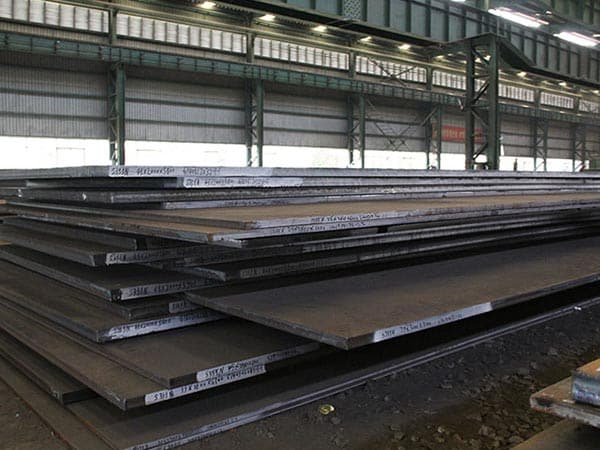
The Technical Essence of S420MC Alloy Steel
S420MC is a high-strength, low-alloy (HSLA) steel grade primarily governed by the EN 10149-2 standard. Known for its thermomechanically rolled state, it offers a unique combination of high yield strength (minimum 420 MPa) and exceptional cold-forming properties. Unlike traditional carbon steels, S420MC achieves its strength through a fine-grained microstructure and controlled micro-alloying elements like niobium, vanadium, and titanium. Understanding these metallurgical nuances is critical when evaluating whether different cutting methods are truly comparable. The way the material reacts to heat and mechanical stress during the separation process dictates the longevity and safety of the final component.
Laser Cutting: Precision and Minimal Thermal Impact
When discussing the processing of S420MC, laser cutting stands out as the benchmark for precision. Fiber laser technology, in particular, allows for extremely narrow kerf widths and a highly concentrated energy density. This focus minimizes the Heat Affected Zone (HAZ), which is vital for HSLA steels. Since S420MC relies on its specific grain structure for strength, excessive heat can lead to grain growth or softening at the edges. Laser cutting mitigates this risk by ensuring that the duration of thermal exposure is localized and brief.
- High Accuracy: Tolerances can be maintained within +/- 0.1mm, making it ideal for complex geometries.
- Edge Quality: The resulting edges are typically smooth, requiring little to no post-processing before welding or painting.
- Speed: For thicknesses between 2mm and 8mm, laser cutting offers unmatched production speeds.
Plasma Cutting: Efficiency for Thicker Sections
As the thickness of the S420MC sheet increases beyond 12mm, plasma cutting becomes a formidable competitor. Modern high-definition plasma systems have bridged the gap in quality, though they still introduce more heat into the material compared to lasers. For structural components in the heavy machinery industry where S420MC is frequently used, plasma cutting provides a cost-effective balance between speed and quality. However, the wider HAZ must be accounted for in the design phase, especially if the cut edge will be subjected to high fatigue loads.
Waterjet Cutting: The Cold Alternative
Is waterjet cutting comparable to thermal methods for S420MC? In terms of material integrity, it is superior. Because waterjet cutting is a cold process, there is absolutely no thermal alteration of the S420MC microstructure. This eliminates any risk of edge hardening or micro-cracking that can sometimes occur with thermal cutting. For aerospace or critical safety components where the mechanical properties of the edge must be identical to the core material, waterjet is the preferred, albeit slower and more expensive, option.
Comparative Analysis of Cutting Parameters
To better understand the differences, the following table compares the primary cutting technologies applied to S420MC alloy steel sheets:
| Feature | Laser Cutting | Plasma Cutting | Waterjet Cutting | Oxy-Fuel Cutting |
|---|---|---|---|---|
| Precision | Excellent | Moderate | High | Low |
| Heat Affected Zone (HAZ) | Very Small | Large | None | Very Large |
| Cutting Speed (Medium Gauge) | Very High | High | Low | Moderate |
| Edge Finish | Smooth | Slightly Rough | Satin Finish | Rough |
| Operating Cost | Medium | Low | High | Very Low |
Mechanical Property Retention After Cutting
The yield strength and elongation of S420MC are its most prized attributes. When using thermal cutting methods like plasma or oxy-fuel, the edge of the steel can undergo a localized phase transformation. For S420MC, this might result in a slight increase in hardness at the immediate edge but a potential drop in toughness. Engineers must evaluate whether the residual stresses induced by the cutting method will affect the subsequent cold-forming or bending processes. S420MC is designed for tight bending radii; if the cut edge is compromised by micro-cracks from a low-quality plasma cut, the material may fail during the bending operation.
Industry-Specific Applications and Method Selection
The choice of cutting method is rarely about which is "better" in a vacuum, but rather which is most appropriate for the application. In the automotive industry, where S420MC is used for chassis parts and cross-members, laser cutting is dominant due to the need for high-volume precision and thin-gauge handling. Conversely, in the crane and lifting equipment sector, where thicker S420MC plates are used for boom sections, high-definition plasma is often chosen for its ability to handle thicker plates efficiently while maintaining acceptable tolerances.
Environmental and Economic Considerations
Beyond the technical specs, the environmental impact of the cutting method is gaining scrutiny. Laser cutting is generally more energy-efficient per meter of cut than plasma. Waterjet cutting, while clean in terms of fumes, produces significant amounts of garnet waste and requires water treatment. Economically, the total cost of ownership must include post-processing. If a cheaper cutting method like oxy-fuel requires two hours of grinding to make the edge weldable, the initial savings are lost. S420MC's weldability is excellent, but a clean, thermally stable edge from a laser or waterjet significantly improves the integrity of the weld pool.
Optimizing the Cutting Process for S420MC
To achieve the best results when cutting S420MC, several factors should be optimized. For laser cutting, using nitrogen as a shielding gas instead of oxygen can prevent oxidation on the cut edge, which is beneficial for subsequent coating or painting. For plasma cutting, using specialized gas mixtures can narrow the arc and reduce the HAZ. Regardless of the method, the surface condition of the S420MC sheet—typically pickled and oiled—should be clean to ensure consistent energy absorption and prevent defects during the piercing phase.
Final Technical Assessment
Are the cutting methods for S420MC comparable? Technically, they are distinct processes that offer different outcomes for the material's structural integrity. While they all achieve the goal of separation, the metallurgical footprint left behind varies significantly. Laser cutting remains the most versatile and high-performance choice for the majority of S420MC applications, providing a balance of speed, precision, and minimal material degradation. For specialized heavy-duty applications, plasma and waterjet serve as necessary alternatives, provided their specific impacts on the HSLA microstructure are understood and managed by the fabrication team.
Leave a message