
Will S460MC steel for construction machinery price continue rising
Explore the factors driving S460MC steel prices in the construction machinery sector. This analysis covers mechanical properties, processing advantages, and market dynamics.
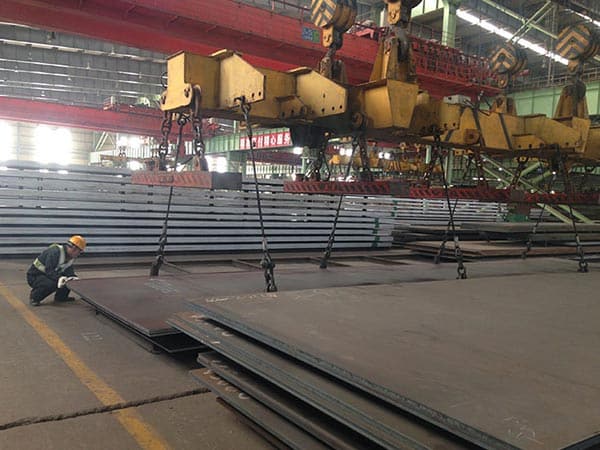
The Market Pulse of S460MC High-Strength Steel
As the global infrastructure landscape evolves, the demand for high-performance materials like S460MC has surged. This thermomechanically rolled, high-yield strength steel is a cornerstone for modern construction machinery, offering a unique balance of weight reduction and structural integrity. Investors and procurement managers are currently grappling with a critical question: will the price of S460MC continue its upward trajectory? To understand the price volatility, we must dissect the material's intrinsic value, its role in the manufacturing ecosystem, and the macroeconomic pressures influencing the steel industry.
Unpacking the Technical Excellence of S460MC
S460MC belongs to the EN 10149-2 standard, specifically designed for cold-forming applications. Its popularity in construction machinery—such as crane booms, chassis components, and excavator frames—stems from its exceptional mechanical properties. Unlike standard carbon steels, S460MC utilizes micro-alloying elements like Niobium (Nb), Vanadium (V), and Titanium (Ti) to achieve grain refinement. This metallurgical precision allows for a minimum yield strength of 460 MPa while maintaining excellent ductility.
| Property | S460MC Specification | Impact on Performance |
|---|---|---|
| Yield Strength (MPa) | Min 460 | Allows for thinner sections without sacrificing load capacity. |
| Tensile Strength (MPa) | 520 - 670 | Ensures structural stability under extreme stress. |
| Elongation (A50mm %) | Min 14 (t < 3mm) | Facilitates complex cold forming and bending. |
| Bending Radius (180°) | 0.5t to 1.5t | Reduces cracking risks during tight radius fabrication. |
The technical superiority of S460MC directly translates to cost-efficiency for end-users. By using thinner plates to achieve the same strength as thicker S355MC grades, manufacturers can reduce the overall weight of machinery, leading to lower fuel consumption and higher payload capacities. This "value-in-use" is a primary driver for its sustained demand even when raw material prices fluctuate.
Processing Advantages: Why Fabricators Prefer S460MC
Beyond its strength, the processability of S460MC is a significant factor in its market valuation. In the construction machinery industry, welding and forming are the two most critical production phases. S460MC is characterized by a low carbon equivalent (CEV), which significantly enhances its weldability. This reduces the need for expensive pre-heating or post-weld heat treatments, effectively lowering the total cost of ownership for fabricators.
- Cold Forming Capability: S460MC is optimized for cold bending and folding. Its consistent grain structure prevents localized thinning and "orange peel" effects during high-pressure forming.
- Weldability: The low alloy content ensures that the heat-affected zone (HAZ) retains its toughness, a critical requirement for machinery operating in dynamic loading environments.
- Surface Quality: Being a hot-rolled product intended for cold forming, it typically features a clean, scale-free surface (when pickled and oiled), which is ideal for subsequent painting or coating processes.
The Supply Chain Strain: Raw Materials and Energy
The pricing of S460MC is not determined in a vacuum. It is heavily influenced by the cost of inputs. Iron ore and metallurgical coke remain the primary cost drivers, but for high-strength grades like S460MC, the cost of micro-alloys (Nb, V, Ti) plays a disproportionate role. Any supply disruption in these niche metals can lead to immediate price spikes. Furthermore, the energy-intensive nature of thermomechanical rolling (TMCP) means that electricity and natural gas prices are directly reflected in the mill's ex-factory quotes.
Global energy transitions are also playing a role. As steel mills invest in electric arc furnaces (EAF) and hydrogen-based reduction to meet carbon neutrality targets, the capital expenditure is being passed down the supply chain. This structural shift suggests a higher "floor price" for premium grades like S460MC in the coming years.
Demand Dynamics in Construction Machinery
The construction machinery sector is undergoing a paradigm shift toward electrification and automation. Electric excavators and cranes require lightweight frames to offset the heavy weight of battery packs. This has created a structural increase in demand for high-strength steels. When demand outpaces the specialized rolling capacity of high-end mills, prices naturally trend upward.
Regional infrastructure projects, particularly in emerging markets and the renewal of aging infrastructure in developed nations, continue to provide a steady backlog for machinery OEMs. As long as these projects remain funded, the pull-through demand for S460MC will remain robust, providing little room for significant price corrections.
Environmental Adaptability and Longevity
Construction machinery often operates in harsh environments, from sub-zero arctic temperatures to humid tropical sites. S460MC's fine-grained structure provides better low-temperature impact toughness compared to standard structural steels. This environmental resilience reduces the frequency of component failure and replacement, making it a more sustainable choice over the lifecycle of the equipment. As ESG (Environmental, Social, and Governance) criteria become more prevalent in procurement, the preference for durable, high-efficiency materials like S460MC will likely intensify, further supporting its market price.
Strategic Procurement in a Volatile Market
For businesses looking to mitigate the risk of rising S460MC prices, understanding the seasonal cycles of the steel industry is vital. Typically, price increases are seen in the first and second quarters as construction activity ramps up. Strategic stockpiling and long-term supply agreements with reputable mills can provide a buffer against spot market volatility. Additionally, optimizing design to utilize the full strength of S460MC can offset higher per-ton costs by reducing the total tonnage required for a project.
The question of whether prices will continue to rise depends on a delicate balance of global trade policies, raw material availability, and the pace of technological adoption in heavy industry. While short-term fluctuations are inevitable, the long-term value proposition of S460MC remains undisputed, positioning it as a premium asset in the global steel portfolio.
Leave a message