
Main factors affecting grade 460 steel equivalent price
Comprehensive analysis of the technical, metallurgical, and market factors influencing the equivalent price of Grade 460 high-strength steel for global industrial applications.
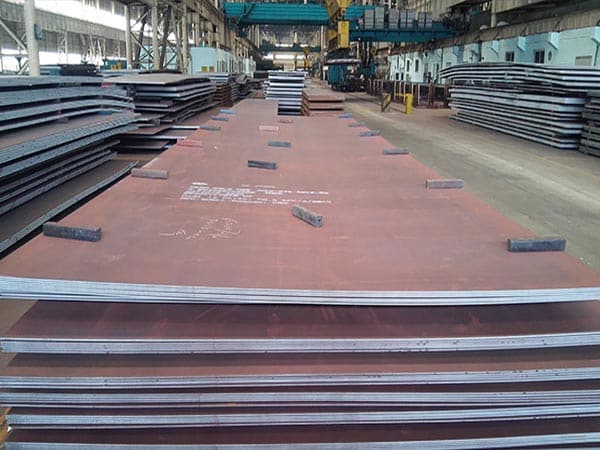
The Evolution of High-Strength Structural Steel Valuation
Grade 460 steel, characterized by its minimum yield strength of 460 MPa, represents a critical tier in high-strength low-alloy (HSLA) steels. Whether categorized under the European standard as S460 or the Chinese standard as Q460, this material offers a superior strength-to-weight ratio compared to conventional S355 or Q345 grades. Understanding the "equivalent price" requires looking beyond the base quote per ton; it involves analyzing the total cost of ownership, processing efficiency, and the metallurgical complexity required to achieve such high performance.
Chemical Composition and Micro-alloying Strategies
The primary driver of the Grade 460 steel equivalent price is its chemical blueprint. Unlike standard carbon steels, Grade 460 relies on precise micro-alloying to achieve its mechanical properties without sacrificing weldability. Elements such as Vanadium (V), Niobium (Nb), and Titanium (Ti) are added in minute quantities to promote grain refinement.
- Vanadium Content: Increases strength through precipitation hardening. Fluctuations in the global vanadium market directly impact the price of S460 grades.
- Carbon Equivalent (CEV): Maintaining a low CEV is essential for weldability. Achieving 460 MPa with a low CEV often requires more expensive, cleaner raw materials and advanced ladle metallurgy.
- Manganese and Silicon: These elements provide solid solution strengthening. The balance between these and micro-alloys determines the steel's internal cleanliness.
| Element | Typical Range (%) for S460 | Impact on Cost |
|---|---|---|
| Carbon (C) | 0.16 - 0.20 | Low impact, but requires strict control for welding. |
| Manganese (Mn) | 1.40 - 1.70 | Moderate; essential for strength. |
| Vanadium (V) | 0.05 - 0.20 | High; subject to rare earth/specialty metal pricing. |
| Niobium (Nb) | 0.02 - 0.05 | High; critical for grain refinement during rolling. |
Manufacturing Processes: TMCP vs. Normalized
The method of production significantly alters the equivalent price. Grade 460 steel is typically produced via Thermomechanical Control Process (TMCP) or through Normalizing heat treatment. TMCP is often preferred for thicker plates as it produces a fine-grained microstructure through controlled rolling and accelerated cooling. This process requires sophisticated rolling mills with high pressure and precise temperature control systems, which adds to the operational expenditure (OPEX) of the mill.
Normalized Grade 460 (e.g., S460N) involves an extra heating cycle, increasing energy consumption. However, it provides a more uniform internal structure for complex stress environments. The choice between these processes affects the final price, with TMCP generally offering better weldability at a slightly different price point than normalized variants.
Mechanical Performance and Impact Toughness Requirements
Price is heavily influenced by the specific sub-grade of 460 steel, particularly concerning impact toughness at low temperatures. A steel plate rated for -20°C (e.g., S460J2) will be priced differently than one rated for -50°C (e.g., S460QL or S460NL). Achieving low-temperature toughness requires higher steel purity, lower sulfur and phosphorus content, and more rigorous testing protocols.
- Yield and Tensile Strength: Ensuring a minimum of 460 MPa across all thicknesses requires consistent rolling quality.
- Elongation: High strength must be balanced with ductility to ensure the material doesn't become brittle.
- Through-Thickness Properties (Z-Direction): For applications like offshore platforms, resistance to lamellar tearing (Z25 or Z35 testing) adds a premium to the base price.
Fabrication and Processing Efficiency
When calculating the equivalent price, engineers must consider the "downstream" savings. Grade 460 allows for thinner sections to be used compared to Grade 355, which leads to:
- Weight Reduction: Lowering the total tonnage required for a project, which can offset the higher price per ton.
- Welding Costs: Thinner plates require less filler metal and fewer welding passes. However, Grade 460 requires strict adherence to preheat and interpass temperature controls to avoid hydrogen cracking.
- Logistics: Reduced weight translates to lower shipping and handling costs, particularly in large-scale infrastructure projects.
Market Dynamics and Raw Material Volatility
The steel market is sensitive to the costs of iron ore, coking coal, and scrap steel. Since Grade 460 is a specialized product, it is not always produced in high-volume continuous runs. Production cycles at the mill can dictate price; if a buyer misses a specific rolling window, the cost for a small, custom batch can skyrocket. Additionally, global trade policies, anti-dumping duties, and regional demand for high-rise construction or renewable energy (like wind towers) create price fluctuations.
Environmental Adaptation and Sustainability
Modern industrial standards increasingly demand Green Steel. The carbon footprint of producing Grade 460 is now a factor in its equivalent price. Mills utilizing Electric Arc Furnaces (EAF) powered by renewable energy or those implementing Carbon Capture and Storage (CCS) may charge a premium. Furthermore, the durability of Grade 460 in corrosive environments—when coupled with appropriate coating or alloying (like weathering steel variants)—extends the lifecycle of the structure, reducing the long-term equivalent cost compared to cheaper, less durable alternatives.
Application-Specific Cost Drivers
The industry in which the steel is used dictates additional certification costs. For example:
- Offshore and Marine: Requires ABS, DNV, or LR certifications, involving third-party inspections and stricter traceability.
- Bridges and Infrastructure: Often requires specific fatigue testing and Charpy V-notch impact tests.
- High-Rise Buildings: Focuses on seismic resistance and fire-rated properties, which may involve specialized alloying.
Each of these requirements adds a layer of cost that defines the final equivalent price of the material in the project's budget.
Strategic Procurement Considerations
To optimize the equivalent price of Grade 460 steel, procurement teams must look at the synergy between material grade and design optimization. Using S460 instead of S355 can reduce structural weight by up to 20-30% in certain applications. This reduction not only lowers the material cost but also reduces the foundation requirements and erection time. Therefore, the "price" should always be viewed through the lens of Total Project Value rather than just the commodity rate on the day of purchase.
Leave a message