
What are the differences between black and painted steel for truck chassis assemblies
A technical deep dive into the material properties, manufacturing impacts, and durability differences between black and painted steel for heavy-duty truck chassis assemblies.
Defining the Core: Black Steel vs. Painted Steel in Chassis Engineering
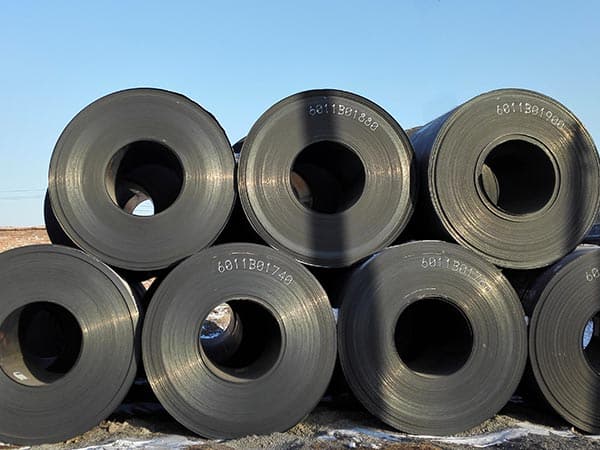
The truck chassis serves as the backbone of any heavy-duty vehicle, bearing the weight of the cargo, the powertrain, and the cabin while enduring constant torsional stresses. When discussing the choice between black steel and painted steel for chassis assemblies, we are essentially comparing a raw, semi-finished state with a protected, finished structural component. Black steel, often referred to as hot-rolled steel with its characteristic mill scale, represents the foundational material. In contrast, painted steel—whether it is pre-painted, powder-coated, or E-coated—introduces a multi-layered defense system designed to mitigate environmental degradation.
Material Composition and Surface Metallurgy
Black steel used in truck frames typically follows high-strength low-alloy (HSLA) standards such as S355MC, S420MC, or ASTM A572 Grade 50. The term 'black' originates from the dark iron oxide layer, or mill scale, that forms on the surface during the hot-rolling process at temperatures exceeding 1,100°C. This scale is brittle and non-uniform, providing a temporary but insufficient barrier against moisture.Painted steel for chassis applications involves the removal of this mill scale through mechanical shot blasting or chemical pickling, followed by the application of protective resins. The difference lies in surface energy; black steel has a chemically complex and unstable surface, whereas painted steel is engineered for chemical passivity.
| Property | Black Steel (Hot Rolled) | Painted/Coated Steel |
|---|---|---|
| Surface Finish | Rough, Mill Scale, Dark Gray/Black | Smooth, Uniform, Color-Specific |
| Corrosion Resistance | Low (Immediate Oxidation) | High (Salt Spray Resistant) |
| Weldability | Excellent (requires scale removal) | Requires stripping before welding |
| Fatigue Resistance | Susceptible to pitting-induced cracks | Enhanced by surface protection |
| Initial Cost | Lower | Higher (Process intensive) |
Mechanical Integrity and Fatigue Performance
While the base metal's yield strength and tensile strength remain unchanged by the application of paint, the fatigue life of the chassis is significantly impacted. Truck chassis are subject to cyclic loading. In black steel, the onset of atmospheric corrosion creates microscopic pits on the surface. These pits act as stress concentrators, or 'notches,' where fatigue cracks can initiate prematurely. Painted steel, by preventing the formation of these pits, maintains the structural integrity of the steel surface for a longer operational period. This is particularly critical in vocational trucks, such as mixers or dump trucks, which operate in abrasive and corrosive environments.
Processing Performance: Welding and Fabrication
From a manufacturing standpoint, black steel offers a 'blank canvas.' It can be cut, bent, and welded without the concern of damaging a pre-existing coating. However, the presence of mill scale can interfere with high-precision laser cutting and can lead to weld porosity if not properly cleaned. Painted steel (specifically pre-painted components) requires specialized handling. Welding through paint is prohibited in heavy-duty applications as it introduces carbon and hydrogen into the weld pool, leading to embrittlement. Therefore, while painted steel offers superior longevity, it demands a more complex assembly sequence, often requiring 'weld-then-paint' workflows or meticulous masking of joint areas.
Environmental Adaptability and Chemical Resistance
The operational environment of a truck chassis is one of the most demanding for any steel structure. Exposure to road salts (sodium chloride and magnesium chloride), moisture, and gravel impact (stone chipping) necessitates a robust barrier. Black steel fails rapidly under these conditions, leading to 'red rust' and eventual section loss, which compromises the vehicle's load-bearing capacity. Painted steel systems, particularly those utilizing Electro-deposition (E-coat) as a primer, provide 360-degree coverage, including inside C-channels and boxed sections. This chemical resistance is not merely aesthetic; it is a safety requirement to ensure the chassis does not suffer from catastrophic structural thinning over a 10-to-15-year service life.
- Black Steel: Best suited for components that will be fully encased or for low-cost, short-lifecycle trailers where environmental exposure is minimal.
- Painted Steel: Essential for long-haul tractors, refuse trucks, and any vehicle operating in the 'salt belt' or coastal regions.
- Hybrid Approaches: Many modern OEMs use black steel for the initial fabrication and then subject the entire assembled chassis to a multi-stage coating process.
Economic Implications and Lifecycle Value
The initial procurement cost of black steel is lower, making it attractive for manufacturers focused on immediate margins. However, the Total Cost of Ownership (TCO) for the end-user favors painted or coated chassis. A black steel chassis requires frequent maintenance, sandblasting, and repainting to prevent structural failure. Conversely, a high-quality painted chassis (especially those using zinc-rich primers or powder coats) retains its value in the secondary market and reduces downtime caused by inspections and repairs. In the logistics industry, where uptime is the primary KPI, the investment in a superior painted finish is easily justified by the extension of the vehicle's functional lifespan.
Advanced Coating Technologies for Modern Chassis
The industry is moving beyond simple spray painting. Autophoretic coatings and powder coating over galvanized substrates are becoming the new standard for premium truck brands. These processes ensure that even if the paint film is breached by a stone chip, the underlying steel remains protected by sacrificial anodes or dense chemical bonds. As chassis designs move toward thinner, higher-strength steels to reduce weight, the importance of surface protection grows exponentially, as there is less 'sacrificial' metal thickness available to lose to corrosion. Choosing between black and painted steel is no longer just a cosmetic decision; it is a fundamental engineering choice that dictates the reliability and safety of the transportation infrastructure.
Leave a message