
What are the top ten EN10111 DD1 steel for cold forming automobile plants in Bangladesh
Discover the technical specifications and top global suppliers of EN10111 DD1 steel for the burgeoning automotive manufacturing sector in Bangladesh.
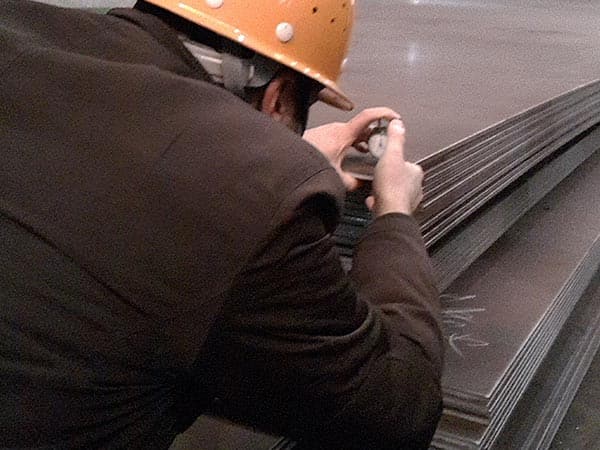
The Strategic Importance of EN10111 DD1 Steel in Bangladesh's Automotive Shift
Bangladesh is witnessing a significant transformation in its industrial landscape, transitioning from a vehicle-importing nation to a regional hub for automotive assembly and manufacturing. This shift is spearheaded by local giants like PHP Motors and partnerships with global brands such as Hyundai and Mitsubishi. At the heart of this manufacturing evolution lies the selection of high-performance raw materials, specifically EN10111 DD1 steel. This hot-rolled low carbon steel grade is engineered for cold forming, making it the primary choice for producing intricate automotive components that require high ductility and structural integrity.
Understanding the Technical DNA of EN10111 DD1
EN10111 DD1 is a European standard grade designated for hot-rolled products for cold forming. Unlike standard structural steels, DD1 is optimized for its ability to be bent, drawn, and shaped without fracturing. The chemical composition is strictly controlled to ensure a low carbon equivalent, which directly enhances its weldability and formability. Specifically, the carbon content is capped at 0.12%, while manganese is limited to 0.60%. This metallurgical balance ensures that the steel remains soft enough for complex dies while maintaining the strength necessary for automotive safety standards.
The mechanical properties of DD1 are particularly suited for the manufacturing environment in Bangladesh. With a yield strength range of 170 to 340 MPa and a maximum tensile strength of 440 MPa, it provides a versatile platform for various parts. Crucially, the elongation properties—often exceeding 28% for thicknesses under 3mm—allow for deep drawing operations that are essential for producing oil pans, seat frames, and interior brackets.
Top Ten Global Suppliers of EN10111 DD1 for Bangladesh Plants
Selecting the right supplier is critical for Bangladeshi automotive plants to ensure consistency in production and minimize downtime. The following ten entities represent the gold standard in DD1 steel production and logistics for the South Asian market:
- Baosteel (China): Known for massive production scales and rigorous quality control, Baosteel provides DD1 with exceptional surface consistency, which is vital for automated welding lines in Dhaka and Chittagong.
- Tata Steel (India): Due to geographical proximity, Tata Steel offers a significant logistical advantage, reducing lead times and shipping costs for Bangladeshi manufacturers while maintaining high European standards.
- JSW Steel (India): Another regional powerhouse, JSW specializes in pickled and oiled (P&O) DD1, which is preferred for components requiring a clean surface for painting or coating.
- POSCO (South Korea): POSCO is celebrated for its ultra-clean steel technology. Their DD1 grade is often used in high-precision automotive parts where internal inclusions must be minimized.
- Nippon Steel (Japan): For plants focusing on high-end vehicle assembly, Nippon Steel provides DD1 with superior thickness tolerances, ensuring that automated stamping presses operate at peak efficiency.
- ArcelorMittal (Global): As a leader in automotive steel research, ArcelorMittal offers DD1 variants with optimized grain structures for extreme cold-forming applications.
- HBIS Group (China): HBIS is a primary source for cost-effective DD1 steel, enabling Bangladeshi plants to remain competitive in the local market without sacrificing material standards.
- Hyundai Steel (South Korea): Given the strong presence of Hyundai assembly in Bangladesh, their captive steel supply ensures that local parts meet the exact specifications of the parent company.
- Shougang Group (China): Shougang provides high-strength variants of DD1 that are particularly useful for structural reinforcements within the vehicle chassis.
- Ansteel (China): Ansteel is recognized for its stable mechanical properties across different batches, a critical factor for maintaining high yield rates in mass production.
Comparative Analysis of Mechanical Properties
To assist procurement managers in Bangladesh, the following table outlines the standard mechanical requirements for EN10111 DD1 compared to other common grades in the same category:
| Grade | Yield Strength (MPa) | Tensile Strength (MPa) | Elongation A80 (%) | Application Suitability |
|---|---|---|---|---|
| EN10111 DD1 | 170 - 340 | ≤ 440 | ≥ 28 | General cold forming, brackets |
| EN10111 DD11 | 170 - 340 | ≤ 440 | ≥ 23 | Simple bending, structural parts |
| EN10111 DD12 | 170 - 320 | ≤ 420 | ≥ 25 | Deep drawing, complex shapes |
| EN10111 DD13 | 170 - 290 | ≤ 400 | ≥ 28 | Extra deep drawing, oil pans |
Optimizing Cold Forming Processes in Tropical Climates
The environmental conditions in Bangladesh, characterized by high humidity and temperature fluctuations, present unique challenges for steel storage and processing. EN10111 DD1 is often supplied in a Pickled and Oiled (P&O) state to prevent oxidation during transit and storage. For local plants, maintaining a controlled environment is essential. The oil film applied at the mill serves a dual purpose: it protects against rust and acts as a preliminary lubricant for the initial stages of cold forming.
During the stamping process, the ductility of DD1 allows for high-speed production. However, engineers must account for the springback effect, which can be influenced by the material's yield-to-tensile ratio. By utilizing high-quality DD1 from the top ten suppliers mentioned, plants can ensure that the material behavior remains predictable, reducing the need for constant die adjustments and lowering the scrap rate.
Weldability and Surface Treatment Considerations
Automotive manufacturing relies heavily on spot welding and MIG/MAG welding. The low carbon content of DD1 makes it exceptionally easy to weld without the risk of hydrogen-induced cracking. This is particularly beneficial for the Bangladeshi workforce, as it allows for robust assembly even with standard welding equipment. Furthermore, the surface of DD1 is conducive to various finishing processes common in the local industry, including powder coating and electro-galvanizing. The uniform surface texture provided by premium mills ensures that the final paint finish is free of defects, enhancing the aesthetic appeal of the locally assembled vehicles.
Supply Chain Resilience for Bangladeshi Manufacturers
The procurement of EN10111 DD1 steel requires a strategic approach to supply chain management. Given the global volatility in steel prices, Bangladeshi plants often engage in long-term contracts with established mills. The choice between sourcing from China, India, or South Korea depends on a balance of price, quality, and logistics. While Indian mills offer the shortest lead times via land or sea routes, Chinese mills provide unmatched volume and variety. South Korean and Japanese mills remain the choice for specialized, high-precision requirements. By diversifying their supplier base among the top ten global leaders, local manufacturers can mitigate risks associated with trade barriers or shipping disruptions, ensuring a steady flow of material to their production lines.
Future Trends in Automotive Steel for Bangladesh
As the automotive sector in Bangladesh matures, there is a growing demand for even higher performance materials. While DD1 remains the workhorse for standard components, there is an increasing shift toward DD12 and DD13 for more complex deep-drawn parts. Additionally, the integration of High-Strength Low-Alloy (HSLA) steels alongside DD1 is becoming more common as manufacturers seek to reduce vehicle weight for better fuel efficiency. Staying aligned with the standards set by EN10111 ensures that Bangladeshi automotive plants remain compatible with global manufacturing trends, paving the way for potential vehicle exports in the future.
Leave a message