
What are the top eight HR coil Q235 pickled steel coil hot rolled plates mills in South Africa
A comprehensive analysis of the top eight HR coil Q235 pickled steel suppliers in South Africa, detailing technical specifications, mechanical properties, and industrial applications.
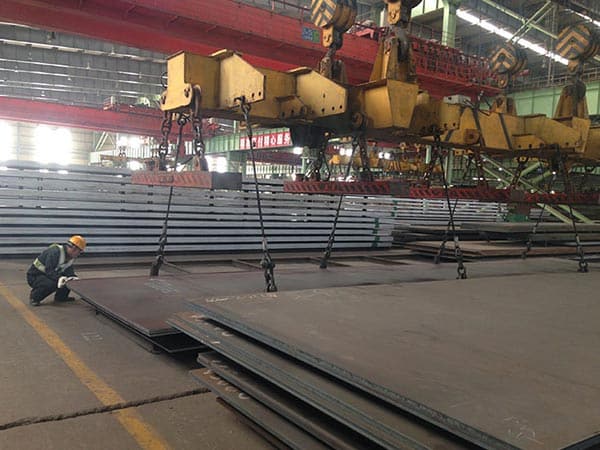
The Strategic Role of Q235 Pickled Steel in South Africa's Industrial Landscape
The demand for Q235 hot rolled pickled steel coils in South Africa has seen a significant surge, driven by the nation's commitment to infrastructure modernization and a robust mining sector. Q235, a carbon structural steel grade governed by the GB/T 700 standard, is prized for its balanced properties: a yield strength of 235 MPa combined with exceptional ductility and weldability. When this material undergoes the pickling and oiling (P&O) process, it transforms into a high-value product. The removal of the surface scale—a byproduct of the hot rolling process—via a controlled acid bath results in a smooth, clean finish. This surface preparation is critical for South African manufacturers who utilize precision CNC machinery, as it prevents tool wear and ensures superior adhesion for protective coatings.
Metallurgical Excellence: Understanding Q235 Mechanical Properties
To appreciate why Q235 is a staple in the South African market, one must examine its chemical and mechanical profile. The material is designed to be a versatile 'all-rounder.' Chemical Composition: It features a carbon content between 0.14% and 0.22%, which is low enough to ensure excellent weldability without the risk of hydrogen cracking, yet high enough to provide necessary structural rigidity. Manganese (0.30% to 0.65%) is added to improve the strength-to-weight ratio. Mechanical Performance: With a tensile strength ranging from 370 to 500 MPa and an elongation of at least 26%, Q235 can withstand significant deformation. This is particularly useful in the manufacturing of complex structural components for the automotive and energy sectors in the Eastern Cape and Gauteng regions.
Why the Pickling Process is Essential for Regional Durability
South Africa’s diverse climate, ranging from the humid, salt-heavy air of Durban to the arid, high-altitude conditions of the Highveld, necessitates superior surface protection for steel. Pickled and oiled hot rolled coils provide an ideal solution. The pickling process typically involves passing the steel through a series of hydrochloric acid tanks, which chemically dissolves the mill scale. This is followed by an oil application that acts as a temporary corrosion inhibitor. For South African fabricators, this means the steel can be stored for longer periods without rusting, and it arrives ready for immediate processing. The absence of scale also allows for high-quality laser cutting, which is essential for the precision-engineered parts used in the local aerospace and defense industries.
Profiling the Top Eight Entities in the South African Steel Supply Chain
While the primary production of steel is concentrated, the supply and processing of Q235 pickled coils involve several key players that function as the backbone of the industry. These entities provide the necessary scale, quality control, and logistical reach to satisfy domestic demand.
- ArcelorMittal South Africa (AMSA): As the dominant force in the region, AMSA’s Vanderbijlpark works is the primary source of hot rolled substrates. Their ability to produce grades that meet or exceed Q235 specifications makes them the foundational supplier for the entire Southern African Development Community (SADC).
- Duferco Steel Processing (DSP): Situated near the port of Saldanha, Duferco is a specialist in the pickling and cold rolling of steel. Their state-of-the-art pickling line is specifically designed to handle high volumes of hot rolled coils, producing a P&O finish that is widely regarded as the gold standard for local manufacturers.
- Macsteel Service Centres SA: More than just a distributor, Macsteel operates as a massive processing hub. Their extensive decoiling and pickling capabilities allow them to supply Q235 plates cut to exact specifications, serving the heavy engineering and mining sectors with unmatched speed.
- NJR Steel: With a focus on the construction and fabrication sectors, NJR Steel maintains a significant inventory of hot rolled and pickled products. Their localized branch network ensures that Q235 material is accessible even in remote mining towns.
- Trident Steel: Specializing in the automotive and high-tech manufacturing sectors, Trident Steel provides precision-processed pickled coils. Their quality management systems are tailored to meet the rigorous standards of global automotive OEMs operating in South Africa.
- Evraz Highveld Steel and Vanadium: Although its operational structure has evolved, the Highveld site remains a critical node for structural steel supply and processing, particularly for the heavy industrial projects in Mpumalanga.
- Safal Steel: While Safal is primarily known for its coated products, their integrated processing lines contribute to the overall availability of high-quality flat steel products, including the substrates used for various industrial applications.
- BSI Steel: Operating across the sub-Saharan region, BSI Steel is a major player in the procurement and distribution of Q235 coils. Their expertise in logistics and bulk supply makes them a key partner for large-scale infrastructure projects.
Comparative Technical Data: Q235 vs. International Equivalents
In the South African engineering space, Q235 is often compared to the local SANS 1431 standards. The following table illustrates how Q235 fits into the global and local technical landscape, highlighting its suitability for various structural roles.
| Feature | Q235 (GB/T 700) | SANS 1431 300WA | ASTM A36 |
|---|---|---|---|
| Yield Strength (min) | 235 MPa | 300 MPa | 250 MPa |
| Tensile Strength | 370-500 MPa | 450-620 MPa | 400-550 MPa |
| Elongation (min) | 26% | 18% | 20-23% |
| Surface Finish | Pickled & Oiled | Typically Mill Scale | Typically Mill Scale |
| Best Application | General Fabrication | Heavy Structural | Bridges & Buildings |
Industrial Applications: From Mining to Renewable Energy
The versatility of Q235 pickled steel allows it to permeate almost every sector of the South African economy. In the mining industry, it is used for the fabrication of ventilation ducting, conveyor systems, and underground support structures where weldability is paramount. In the burgeoning renewable energy sector, Q235 P&O coils are the preferred material for solar mounting systems. The clean surface of the pickled steel ensures that the subsequent galvanizing process is flawless, providing the 25-year corrosion resistance required for solar farms in the Northern Cape. Furthermore, the automotive industry utilizes this grade for non-structural internal components where formability and a smooth finish are required for assembly efficiency.
Optimizing Manufacturing Efficiency with P&O Coils
For South African fabricators, the shift from standard hot rolled steel to pickled and oiled coils represents a significant move toward operational excellence. Standard HR steel requires pre-processing steps like shot blasting to remove scale, which adds time, labor costs, and environmental challenges. By utilizing Q235 P&O coils, manufacturers can bypass these steps, moving straight to the cutting and forming stages. This not only reduces the carbon footprint of the manufacturing process but also minimizes the wear and tear on expensive laser and plasma cutting heads, leading to a lower total cost of ownership for the end product.
Procurement and Quality Assurance in the Local Market
Sourcing high-quality Q235 pickled steel in South Africa requires a focus on certification and supply chain transparency. It is imperative for buyers to request Mill Test Certificates (MTCs) that verify the chemical composition and mechanical properties against the GB/T 700 standard. Working with established entities like the top eight listed ensures that the material has undergone rigorous quality checks. Additionally, considering the logistical complexities of the South African terrain, choosing a supplier with a robust distribution network can significantly mitigate the risks of transit-induced damage or delays, ensuring that project timelines are met with precision and reliability.
Leave a message