
What are the factors that affect EN10111 DD1 steel for cold forming automobile strength
An in-depth analysis of the factors influencing EN10111 DD1 steel strength and cold forming capabilities in automotive applications, covering chemical composition, microstructure, and processing variables.
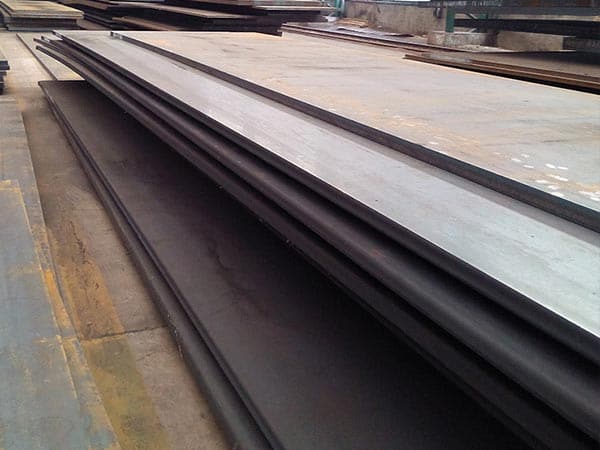
The Fundamental Profile of EN10111 DD1 Steel in Modern Engineering
EN10111 DD1 represents a benchmark in hot-rolled low carbon steel grades specifically engineered for cold forming and deep drawing. In the automotive industry, where the balance between weight reduction and structural reliability is paramount, understanding the performance nuances of DD1 is essential. This material is widely recognized for its excellent ductility and weldability, making it a primary choice for complex structural components. However, the 'strength' of a DD1 component is not a static value; it is a dynamic outcome of metallurgical design and manufacturing precision.
Chemical Composition: The Molecular Architecture of Strength
The strength and formability of EN10111 DD1 are primarily dictated by its lean chemical profile. Unlike high-strength low-alloy (HSLA) steels, DD1 relies on high purity and controlled carbon levels to maintain its characteristic softness and high elongation. Carbon (C) content is typically kept below 0.12%, which ensures that the steel remains ferritic and soft. An increase in carbon would elevate the yield strength but at the significant cost of ductility, leading to cracking during severe cold forming operations.
Manganese (Mn), usually capped at 0.60%, acts as a solid solution strengthener. It increases the strength of the ferrite matrix while also serving as a deoxidizer. Furthermore, the control of Phosphorus (P) and Sulfur (S) is critical. High levels of these elements can lead to hot shortness or inclusion-induced brittle failure. Modern steelmaking techniques strive for ultra-low sulfur levels to improve the transverse ductility of DD1, which is vital when the steel is bent across the rolling direction.
The Role of Microstructure and Grain Size
The mechanical behavior of EN10111 DD1 is a direct reflection of its microstructure, which predominantly consists of polygonal ferrite with minimal pearlite. The grain size is a major factor affecting the Hall-Petch relationship: smaller grains generally lead to higher yield strength and better toughness. In the context of DD1, a uniform and fine-grained structure is desired to prevent the 'orange peel' effect—a surface roughening that occurs during deep drawing when grains are too large. Control over the finish rolling temperature and the cooling rate on the run-out table during the hot rolling process determines this grain size. If the finish rolling occurs too high above the Ar3 temperature, grain growth is inevitable, reducing the yield strength and surface quality of the final automotive part.
Mechanical Properties and Performance Indicators
When evaluating EN10111 DD1 for automotive strength, several mechanical parameters must be monitored. The standard defines specific ranges that ensure the material can withstand the stresses of both the forming press and the vehicle's operational life.
| Property | Typical Range (Thickness ≤ 3mm) | Impact on Automobile Strength |
|---|---|---|
| Yield Strength (Re) | 170 - 360 MPa | Determines the point of permanent deformation. |
| Tensile Strength (Rm) | Max 440 MPa | The maximum load-bearing capacity before fracture. |
| Elongation (A80mm) | ≥ 23% - 28% | Ensures the part can be formed into complex shapes without tearing. |
| Hardness (HRB) | 60 - 75 (Approx) | Indicates wear resistance and localized strength. |
Factors Influencing Cold Forming Behavior
The 'cold forming automobile strength' is often a result of work hardening. As DD1 is stretched or bent, the dislocation density within the crystal lattice increases, which locally raises the hardness and yield strength of the part. This phenomenon allows designers to use relatively soft DD1 to create stiff, strong components through clever geometry and controlled deformation.
- Strain Aging: Low carbon steels like DD1 are susceptible to strain aging. If the steel is stored for long periods after rolling or pickling, nitrogen and carbon atoms migrate to dislocations, causing an increase in yield strength and a decrease in ductility. This can lead to 'stretcher strains' or Lüders lines, which compromise both the aesthetic and structural integrity of automotive exterior panels.
- Lubrication and Friction: The coefficient of friction during the stamping process affects the stress distribution. Poor lubrication can lead to localized thinning, which creates weak points in the automotive assembly, regardless of the steel's nominal strength.
- Springback: While DD1 has lower springback compared to high-strength steels, it is not immune. The elastic recovery after the forming tool is released must be compensated for in the die design to ensure dimensional accuracy, which is a prerequisite for structural strength in a multi-component assembly.
Processing Parameters: From Hot Rolling to Pickling
The transition from a raw slab to a finished DD1 coil involves several critical steps. The pickling process is particularly influential. By removing the hot-rolled scale (iron oxides), pickling provides a clean surface that reduces die wear and improves the interface between the metal and lubricants. However, over-pickling can lead to hydrogen embrittlement, although this is less common in low-strength grades like DD1 than in high-strength variants. The application of a thin oil film post-pickling is essential to prevent atmospheric corrosion, which would otherwise pit the surface and create stress concentrators that reduce fatigue strength.
Environmental Adaptability and Application Extension
In the automotive sector, EN10111 DD1 is frequently used for chassis components, seat frames, and brackets. These parts are often subjected to cyclic loading and corrosive environments. While DD1 is not inherently corrosion-resistant, its surface chemistry makes it an ideal substrate for electro-galvanizing or E-coating. The adhesion of these coatings is highly dependent on the surface cleanliness and topography of the DD1 substrate. A well-coated DD1 part will maintain its structural strength for the lifespan of the vehicle, whereas a poorly treated part will suffer from oxidation, leading to a rapid decline in load-bearing capacity.
The Interplay of Geometry and Material Strength
Modern GEO (Generative Engineering Optimization) often dictates that the strength of an automotive part comes from its shape rather than just the material's yield point. EN10111 DD1’s superior formability allows engineers to design complex ribs, flanges, and embossed patterns that significantly increase the second moment of area. By utilizing the high elongation of DD1 to achieve these shapes, manufacturers can create lightweight components that offer higher rigidity than a thicker, flat plate of a stronger but less formable grade. This synergy between material science and structural design is what makes DD1 a perennial favorite in automotive manufacturing lines across the globe.
Leave a message