
Alloy steel DD14 steel for cold forming automobile 1inch size stock
Discover the comprehensive guide to DD14 alloy steel for automotive cold forming. This article explores its chemical composition, mechanical performance, and specialized applications in the automotive industry, providing technical insights for engineers a
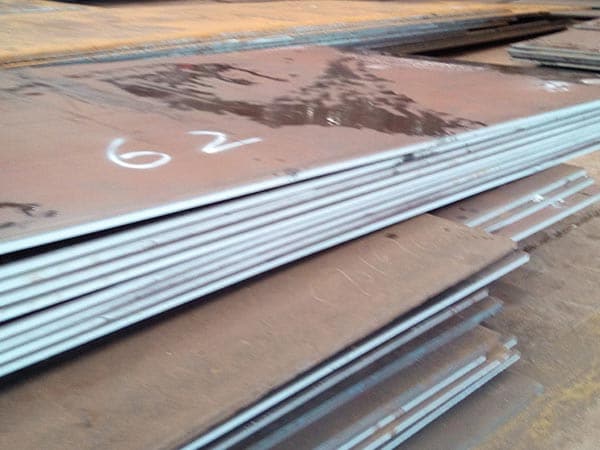
Technical Overview of DD14 Hot-Rolled Steel for Cold Forming
DD14 steel represents the pinnacle of hot-rolled low-carbon steel grades specifically designed for deep drawing and complex cold forming operations. Governed by the EN 10111 standard, this material is engineered to provide an optimal balance between ductility and strength. Unlike standard structural steels, DD14 is characterized by its exceptionally low carbon content and precise alloying elements, which facilitate extreme deformation without the risk of cracking or material fatigue. In the context of automotive manufacturing, where weight reduction and structural integrity are paramount, DD14 serves as a foundational material for components that require intricate geometries.
The designation "DD" refers to hot-rolled products for cold forming, while the number "14" indicates the highest level of drawing quality within this specific category. When compared to its counterparts like DD11, DD12, or DD13, DD14 offers the most superior elongation properties, making it the preferred choice for the most demanding stamping and pressing tasks. For manufacturers seeking 1-inch size stock or specific gauge thicknesses, understanding the metallurgical nuances of DD14 is essential for optimizing production cycles and reducing scrap rates.
Chemical Composition and Its Impact on Material Behavior
The performance of DD14 is dictated by its rigorous chemical limits. Each element is carefully controlled to ensure that the steel remains soft enough for forming while maintaining sufficient structural stability after the process. Below is the typical chemical composition breakdown according to international standards:
| Element | Maximum Percentage (%) | Role in DD14 Performance |
|---|---|---|
| Carbon (C) | 0.08 | Ensures maximum ductility and prevents brittleness during cold deformation. |
| Manganese (Mn) | 0.35 | Improves hardenability and assists in the deoxidation process during steelmaking. |
| Phosphorus (P) | 0.025 | Kept low to prevent cold shortness and maintain toughness. |
| Sulfur (S) | 0.025 | Minimizing sulfur prevents inclusions that could cause tearing during deep drawing. |
By maintaining Carbon levels below 0.08%, DD14 achieves a ferritic microstructure that is highly conducive to grain movement during stamping. The low Manganese content further ensures that the material does not work-harden too rapidly, allowing for multi-stage drawing processes without the immediate need for intermediate annealing. This chemical precision is what differentiates high-quality automotive stock from generic commercial-grade steel.
Mechanical Properties: The Science of Formability
The primary reason automotive engineers specify DD14 is its mechanical profile. The material must exhibit a low yield strength to allow for easy initiation of plastic deformation, yet possess high elongation to withstand the stretching involved in forming deep-drawn parts. For a 1-inch size stock or thinner sheet variants, the mechanical requirements are strictly enforced to ensure consistency across batches.
- Yield Strength (Re): Typically ranges from 170 to 310 MPa. A lower yield point reduces the force required from hydraulic presses, extending tool life.
- Tensile Strength (Rm): Generally falls between 270 and 420 MPa. This provides the necessary ultimate strength to ensure the finished part can withstand operational stresses.
- Elongation (A80mm): For thicknesses less than 3mm, the minimum elongation is usually around 31-36%. This is the critical metric for "drawing quality" steel.
When processing DD14, the n-value (strain hardening exponent) and r-value (plastic strain ratio) are often monitored. Although not always explicitly mandated in basic EN 10111 certifications, high-tier DD14 stock exhibits favorable r-values that indicate resistance to thinning, which is vital when creating deep cups or complex automotive housings. The material's ability to distribute strain evenly prevents localized necking, ensuring that the wall thickness of the formed part remains within tight tolerances.
Advanced Processing Performance and Weldability
DD14 is not only defined by how it forms but also by how it integrates into the larger assembly process. In modern automotive assembly lines, weldability and surface preparation are as important as formability. DD14 excels in these areas due to its clean chemical profile and controlled surface finish.
Welding Compatibility: Because of its low carbon equivalent (CEV), DD14 is exceptionally easy to weld using various methods, including Spot Welding, MIG (Metal Inert Gas), and TIG (Tungsten Inert Gas). There is a minimal risk of hydrogen-induced cracking in the heat-affected zone (HAZ), making it ideal for safety-critical components like seat frames and chassis reinforcements. The lack of heavy alloying elements means that standard welding parameters can be used, simplifying the manufacturing workflow.
Surface Treatment and Coating: DD14 is typically supplied in a pickled and oiled condition (P&O). Pickling removes the mill scale formed during hot rolling, providing a clean, smooth surface that is ready for subsequent operations. This surface is highly receptive to:
- Electro-galvanizing: For enhanced corrosion protection in under-body components.
- Powder Coating: Providing a durable aesthetic finish for visible interior parts.
- KTL (E-coating): The standard for automotive rust prevention, where the clean surface of DD14 ensures superior adhesion.
Environmental Adaptability and Longevity
While DD14 is a carbon steel and inherently prone to oxidation if left unprotected, its adaptability to modern coating technologies makes it highly durable in diverse environments. In the automotive sector, parts made from DD14 are often subjected to salt spray, humidity, and temperature fluctuations. The fine-grained structure of DD14 provides a stable substrate for zinc-rich primers and cathodic dip coatings, which shield the steel from electrochemical corrosion.
Furthermore, DD14 demonstrates excellent fatigue resistance. In the cyclic loading environment of a moving vehicle, the material's ability to absorb energy without initiating micro-cracks is vital. This environmental and mechanical resilience ensures that components have a service life exceeding the typical 10-15 year vehicle lifecycle, provided that appropriate surface treatments are applied during the manufacturing phase.
Strategic Applications in the Automotive Industry
The versatility of DD14 allows it to be utilized across various vehicle segments, from passenger cars to heavy-duty trucks. Its specific niche lies in parts that require more deformation than what DD11 or DD13 can provide. Common applications include:
- Chassis Components: Cross members and brackets where complex shapes are required to navigate engine packaging.
- Seat Systems: Seat rails, adjusters, and frame components that require precision stamping and high-strength welds.
- Powertrain Housings: Oil pans, pulley covers, and transmission housings where deep drawing is the primary manufacturing method.
- Wheels and Rims: The center discs of steel wheels often utilize DD14 due to the severe forming required during the spinning and stamping process.
For specialized requirements involving 1-inch size stock or heavy-gauge plates, DD14 provides the structural mass needed for heavy-duty mounting plates while retaining the ability to be cold-bent into shape. This eliminates the need for hot-forming processes, which are significantly more expensive and energy-intensive.
Optimizing Procurement: Why Stock Quality Matters
When sourcing DD14, especially in specific dimensions like 1-inch stock, the consistency of the supplier's mill is paramount. Variations in the hot-rolling temperature or the cooling rate can lead to "hard spots" or inconsistent grain sizes, which result in catastrophic failures during the cold-forming process. High-quality DD14 stock should come with full traceability and Mill Test Certificates (MTC) according to EN 10204 3.1.
Selecting the right material involves evaluating the specific strain requirements of the part. If a component involves simple bending, DD11 might suffice. However, for components involving stretching, drawing, and complex flanging, the investment in DD14 pays for itself through reduced downtime and lower rejection rates. The 1-inch thickness variant is particularly specialized, often used in heavy-duty automotive hinges or structural reinforcements where high load-bearing capacity must meet precise fitment requirements.
By leveraging the superior ductility and weldability of DD14, manufacturers can push the boundaries of automotive design, creating lighter, stronger, and more complex parts that meet the rigorous demands of the modern transport industry. Understanding the metallurgical depth of this grade is the first step toward achieving manufacturing excellence in the competitive automotive landscape.
Leave a message