
What are the precautions during the cutting of 1.0976 hot-rolled steel
Discover the essential precautions and technical strategies for cutting 1.0976 (S355MC) hot-rolled steel, covering mechanical properties, thermal management, and precision techniques.
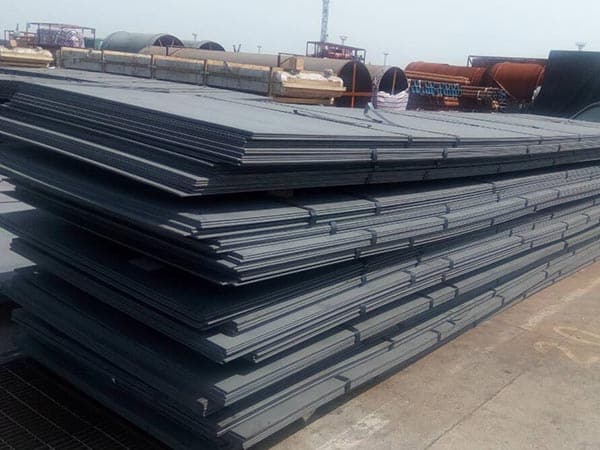
Understanding the Nature of 1.0976 Hot-Rolled Steel
1.0976 steel, commonly identified under the EN 10149-2 standard as S355MC, is a high-yield-strength steel produced through thermomechanical rolling. This specific manufacturing process creates a fine-grained microstructure that offers a unique balance of high strength, excellent cold formability, and superior weldability. When approaching the cutting phase of this material, engineers must recognize that its thermomechanical history influences how it reacts to thermal and mechanical stresses. Unlike standard structural steels, 1.0976 is designed for weight reduction in complex components, making the integrity of the cut edge critical for subsequent forming or load-bearing performance.
The material's chemical composition is tightly controlled to maintain low carbon equivalents, which enhances its processing characteristics. However, the very properties that make it desirable—such as its high yield point—require specific attention during the separation process to prevent edge hardening or micro-cracking. Successful cutting of 1.0976 hinges on managing the heat-affected zone (HAZ) and ensuring that the internal stresses of the hot-rolled plate do not lead to distortion.
Material Specifications and Their Impact on Cutting
Before diving into cutting precautions, it is vital to analyze the mechanical and chemical baseline of 1.0976. These parameters dictate the resistance the material offers to various cutting tools and the potential for chemical reactions during thermal cutting.
| Property | Value / Requirement |
|---|---|
| Yield Strength (ReH) | Min. 355 MPa |
| Tensile Strength (Rm) | 430 - 550 MPa |
| Elongation (A80mm) | Min. 19% (depending on thickness) |
| Carbon (C) Max | 0.12% |
| Manganese (Mn) Max | 1.50% |
The low carbon content (max 0.12%) significantly reduces the risk of hardening at the cut edge compared to higher carbon steels. Nevertheless, the manganese and micro-alloying elements like niobium or titanium, used for grain refinement, can influence the viscosity of the molten slag during laser or plasma cutting, necessitating precise gas pressure adjustments.
Thermal Cutting Precautions: Laser and Plasma
Laser cutting is the most frequent method for 1.0976 due to the requirement for high precision in automotive and machinery parts. To maintain the material's integrity, several precautions are mandatory:
- Focus Position and Beam Quality: Because 1.0976 is often used in thicknesses ranging from 2mm to 20mm, the focus position must be calibrated to ensure a narrow kerf. An improper focus can lead to excessive heat buildup, which may alter the fine-grained structure near the edge, potentially leading to brittleness during subsequent bending operations.
- Assist Gas Selection: Using high-purity oxygen (O2) facilitates faster cutting speeds through exothermic reactions, but it leaves an oxide layer. For components requiring immediate painting or welding, nitrogen (N2) high-pressure cutting is preferred to prevent oxidation, though it requires more power.
- Heat Management: S355MC is sensitive to local overheating. When cutting intricate geometries or sharp corners, the cutting speed should be dynamically adjusted to prevent "burning" the corners, which compromises the dimensional accuracy and structural strength of the part.
Plasma cutting, while faster for thicker sections of 1.0976, introduces a larger heat-affected zone. To mitigate this, underwater plasma cutting or high-definition plasma systems should be utilized. The primary precaution here is managing the dross; if the plasma arc is not perfectly perpendicular, the resulting bevel can interfere with the tight tolerances required for high-yield steel applications.
Mechanical Cutting and Shearing Considerations
Mechanical shearing is often used for straight cuts in 1.0976 steel. However, the high yield strength of this grade puts significant demand on the machinery. Blade clearance is the most critical factor. If the clearance is too tight, the energy required increases exponentially, leading to premature tool wear. If it is too loose, the material will undergo excessive plastic deformation (burring) rather than a clean fracture.
Work Hardening: While 1.0976 has good ductility, the shearing process induces localized work hardening at the edge. If the part is to undergo severe cold forming later, these sheared edges should be deburred or ground to remove the hardened layer and any micro-notches that could act as stress concentrators and lead to cracking.
Managing Residual Stresses and Flatness
Hot-rolled steels like 1.0976 contain internal residual stresses from the thermomechanical rolling and cooling process. When the material is cut, these stresses are released, which can cause the plate to "bow" or "twist."
- Path Optimization: When programming CNC cutting paths, it is advisable to start from the center of the plate and move outward, or to use "tabbing" (leaving small bridges of material) to keep the part stabilized within the skeleton until the cut is complete.
- Pre-Leveling: For high-precision applications, using plates that have been tension-leveled or skin-passed can significantly reduce the movement of the material during the cutting process.
- Surface Condition: 1.0976 typically has a thin, tightly adherent scale. While this scale protects the steel, it can interfere with the piercing process in laser cutting. Ensuring the material is clean and free of heavy rust or oil is essential for consistent cut quality.
Environmental Adaptability and Storage Precautions
The cutting process does not happen in a vacuum; the environment plays a role in the final quality of the 1.0976 components. Since this steel is often used in outdoor machinery or transport vehicles, its surface integrity post-cutting is vital for corrosion resistance.
Cutting should be performed in a temperature-controlled environment to avoid condensation on the steel surface, which can lead to flash rusting. Furthermore, the dust generated from cutting high-strength low-alloy (HSLA) steels like S355MC contains fine particles of alloying elements. Proper filtration and extraction systems are necessary not only for worker safety but also to prevent the accumulation of metallic dust on the plate surface, which can cause galvanic corrosion or interfere with the cutting beam.
Expanding Industry Applications and Technical Requirements
The versatility of 1.0976 allows it to serve multiple high-stress industries. Each industry imposes specific cutting standards that must be met:
- Automotive Chassis: Requires zero-defect edges. Any micro-cracks from the cutting process can propagate under the high-frequency vibrations experienced by vehicle frames. Laser cutting with automated inspection is the gold standard here.
- Heavy Lifting Equipment: For crane arms and telescopic booms, the 1.0976 steel must maintain its yield strength across the entire component. Precautions must be taken to ensure the HAZ does not exceed 1-2mm, preserving the load-bearing capacity of the weld prep area.
- Agricultural Machinery: Parts are often thick and subject to abrasive soil contact. Cutting must ensure that the edges are smooth enough to receive hard-facing coatings or specialized paints without peeling.
By strictly adhering to these cutting precautions, manufacturers can fully leverage the weight-saving and strength benefits of 1.0976 hot-rolled steel. The synergy between high-quality material and precise processing techniques ensures the longevity and safety of the final industrial products.
Leave a message