
What is the B600L steel for car safety parts price export to Malaysia
Explore the comprehensive guide on B600L high-strength steel for automotive safety parts, covering mechanical properties, processing, and export pricing factors for Malaysia.
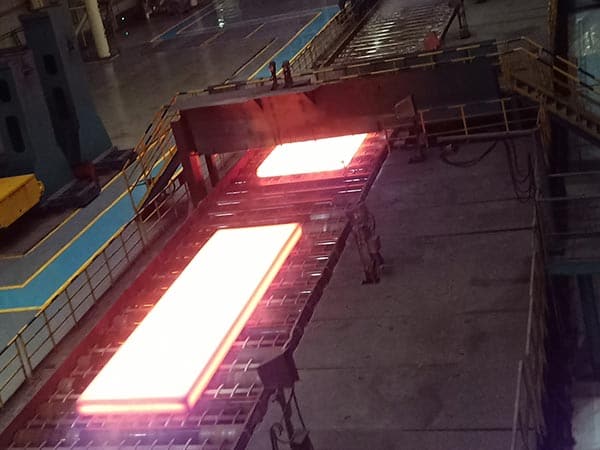
The Strategic Importance of B600L Steel in Modern Automotive Engineering
In the pursuit of automotive safety and fuel efficiency, the selection of materials for structural components has become a critical decision for manufacturers. B600L steel, a high-strength low-alloy (HSLA) steel, stands at the forefront of this material revolution. Specifically designed for cold-forming applications, B600L offers a unique balance of high yield strength and excellent ductility, making it the preferred choice for safety-critical parts such as longitudinal beams, cross members, and chassis reinforcements. When exporting to growing markets like Malaysia, understanding the technical nuances and economic drivers of B600L is essential for both suppliers and automotive OEMs.
The 'B' in B600L typically refers to the manufacturer's standard (often Baosteel), '600' denotes the minimum tensile strength in Megapascals (MPa), and 'L' signifies its application in structural and cold-forming roles. Unlike standard carbon steels, B600L is engineered to absorb massive amounts of energy during a collision, ensuring the integrity of the passenger cabin while minimizing the vehicle's overall weight.
Technical Profile: Chemical Composition and Micro-alloying
The superior performance of B600L is rooted in its precise chemical composition. By utilizing micro-alloying elements such as Niobium (Nb), Vanadium (V), and Titanium (Ti), steel mills can achieve grain refinement that significantly enhances strength without compromising weldability. The low carbon content ensures that the steel remains ductile enough for complex stamping processes.
| Element | Carbon (C) % | Manganese (Mn) % | Silicon (Si) % | Phosphorus (P) % | Sulfur (S) % | Aluminium (Al) % |
|---|---|---|---|---|---|---|
| B600L Typical Range | ≤ 0.12 | ≤ 1.60 | ≤ 0.50 | ≤ 0.025 | ≤ 0.020 | ≥ 0.015 |
This chemical balance is crucial for the Malaysian climate. The controlled levels of Manganese and Silicon not only contribute to solid-solution strengthening but also improve the material's resistance to atmospheric corrosion, a vital factor in Malaysia's high-humidity and coastal environments. The inclusion of Ti and Nb forms stable carbonitrides, which pin grain boundaries during the hot rolling process, resulting in a fine-grained ferrite-pearlite microstructure that is exceptionally tough.
Mechanical Performance and Safety Reliability
For car safety parts, mechanical reliability is non-negotiable. B600L must meet stringent criteria for yield strength, tensile strength, and elongation. These properties ensure that parts like bumper beams do not fail catastrophically under load. Yield strength is particularly important as it defines the point at which the steel begins to deform permanently, while tensile strength indicates the maximum stress the material can withstand before breaking.
- Yield Strength (ReL): Typically ranges between 490 and 620 MPa, providing a robust foundation for structural rigidity.
- Tensile Strength (Rm): Guaranteed at a minimum of 590-600 MPa, ensuring high energy absorption capacity.
- Elongation (A80mm): Usually ≥ 14%, allowing for complex shapes to be formed without micro-cracking.
- Impact Toughness: Excellent performance even at low temperatures, which prevents brittle fractures during high-speed impacts.
In the context of Malaysian automotive safety standards, which are increasingly aligning with global Euro NCAP requirements, B600L provides the necessary safety margin. Parts manufactured from B600L can be thinner than those made from traditional mild steel while offering the same or better protection, contributing directly to vehicle lightweighting and reduced CO2 emissions.
Processing Excellence: Forming and Welding B600L
One of the primary reasons B600L is favored by Malaysian automotive component manufacturers is its excellent processability. In a production environment, the ease of forming and welding directly impacts the final cost and quality of the safety parts. B600L exhibits low springback compared to ultra-high-strength steels (UHSS), which simplifies die design and reduces the need for expensive compensation tools.
Welding Performance: Due to its low carbon equivalent (Ceq), B600L is highly compatible with standard automotive welding techniques, including Resistance Spot Welding (RSW), Metal Active Gas (MAG) welding, and laser welding. The heat-affected zone (HAZ) remains stable, maintaining the structural integrity of the weldment. This is particularly beneficial for complex assemblies like the vehicle chassis where multiple joints are required.
Cold Forming: The material's high n-value (strain hardening exponent) allows for uniform thinning during deep drawing and stretching. This ensures that safety parts have a consistent thickness throughout, eliminating weak spots that could compromise the vehicle's structural safety during a crash.
Exporting B600L to Malaysia: Market Dynamics and Pricing
When considering the price of B600L for export to Malaysia, several variables come into play. The Malaysian automotive market, led by national brands like Proton and Perodua, along with international OEMs like Toyota and Honda, has a steady demand for high-quality HSLA steels. The price is not merely a reflection of the raw material cost but a combination of logistics, trade policies, and quality assurance.
Pricing Factors:
- Raw Material Costs: Fluctuations in iron ore and coking coal prices on the global market (LME/SHFE) directly influence the base price of B600L.
- Logistics and Shipping: Freight costs from major steel-producing hubs (like Shanghai or Tianjin) to Port Klang or Penang can vary based on fuel surcharges and container availability.
- Trade Agreements: Malaysia's participation in the Regional Comprehensive Economic Partnership (RCEP) and the ASEAN-China Free Trade Area (ACFTA) often allows for preferential tariff rates, significantly reducing the landed cost for Malaysian importers.
- Quality Certification: Compliance with IATF 16949 standards is mandatory for automotive safety parts, and the cost of rigorous testing and certification is factored into the premium pricing of B600L.
Currently, the price of B600L for export typically follows a formula-based approach, often tied to a hot-rolled coil (HRC) index plus a specific 'automotive grade' premium. For Malaysian buyers, securing long-term supply contracts can hedge against price volatility and ensure a consistent flow of material for high-volume vehicle production cycles.
Environmental Adaptability and Industry Extension
Malaysia's tropical climate presents unique challenges for automotive materials. High humidity and salt spray in coastal regions accelerate corrosion. B600L, while primarily used for internal structural parts, is often paired with advanced coating technologies such as galvanizing (GI) or galvannealing (GA) to enhance its environmental adaptability. This combination ensures that safety parts maintain their mechanical properties throughout the vehicle's 15-20 year lifespan.
Beyond the passenger car segment, the application of B600L is expanding into the commercial vehicle sector in Malaysia. Light trucks and buses are increasingly adopting B600L for frame rails and reinforcement pillars to meet the Malaysian Transport Department's (JPJ) evolving safety regulations. This cross-industry utility makes B600L a versatile asset in the regional steel trade.
The Future of B600L in the Malaysian Supply Chain
As Malaysia moves toward its National Automotive Policy (NAP 2020) goals, focusing on Energy Efficient Vehicles (EEV) and Next-Generation Vehicles (NxGV), the demand for materials like B600L will only intensify. The shift toward electrification requires even more stringent weight management to offset battery weight, placing B600L in a sweet spot of performance versus cost.
Suppliers who can provide not just the raw material, but also technical support in formability analysis and welding optimization, will find a receptive market in Malaysia. The export of B600L is more than a commodity transaction; it is a partnership in engineering safer, more efficient vehicles for the Southeast Asian market. By focusing on quality consistency and transparent pricing structures, international steel mills can solidify their position as indispensable links in the Malaysian automotive value chain.
Leave a message