
What are the precautions during the cutting of S355MC
Expert guide on S355MC cutting precautions, covering thermal effects, metallurgical integrity, precision parameters, and industry-specific processing techniques.
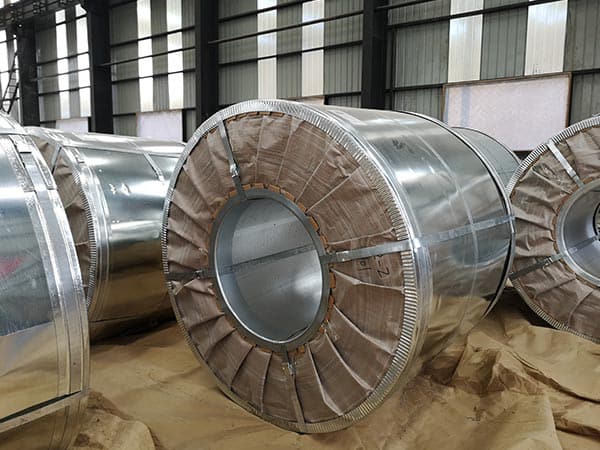
The Metallurgical Nature of S355MC and Its Impact on Cutting
S355MC is a high-yield strength, cold-forming steel produced through thermomechanical rolling, as defined by the EN 10149-2 standard. Unlike traditional hot-rolled steels, the strength of S355MC is derived from its fine-grained microstructure, achieved through a precise combination of controlled rolling temperatures and micro-alloying elements like Niobium (Nb), Vanadium (V), and Titanium (Ti). When approaching the cutting process, one must understand that the very properties making S355MC desirable—its high strength-to-weight ratio and excellent ductility—are sensitive to thermal and mechanical stresses. Cutting is not merely a separation process; it is a metallurgical intervention that can alter the material's edge properties, potentially leading to micro-cracking or loss of yield strength in the heat-affected zone (HAZ).
Precautions during cutting must account for the material's low carbon content (typically below 0.12%) and its micro-alloyed chemistry. While the low carbon ensures good weldability, the presence of Niobium and Titanium means that excessive heat input can lead to grain coarsening at the edges. This coarsening reduces the toughness of the cut edge, which is a critical factor if the component is subjected to fatigue loading or further cold forming, such as tight-radius bending. Therefore, selecting the right cutting technology and optimizing the parameters is the first step in maintaining the structural integrity of the S355MC plate.
Precision Laser Cutting: Optimizing Gas and Power
Laser cutting is the preferred method for S355MC due to its high precision and narrow HAZ. However, several precautions are necessary to ensure a clean, dross-free edge. The choice of assist gas—Oxygen versus Nitrogen—is the most significant decision. Oxygen cutting utilizes an exothermic reaction, allowing for higher speeds on thicker plates (up to 20mm), but it leaves a thin oxide layer on the cut surface. For S355MC, this oxide layer must be removed if the part is to be painted or powder-coated, as it can compromise coating adhesion.
Nitrogen cutting, or high-pressure fusion cutting, is often recommended for S355MC components that require immediate subsequent processing. Since Nitrogen is an inert gas, it prevents oxidation, leaving a bright, clean edge. However, this requires significantly higher laser power and gas pressure. When laser cutting S355MC, operators must monitor the focal position closely. Because S355MC is often used in thinner gauges (3mm to 12mm) for automotive chassis and crane booms, a slightly negative focus is usually optimal to ensure the energy is concentrated within the thickness of the plate, minimizing the risk of striations and ensuring a smooth surface finish that reduces stress concentrations.
- Power Modulation: Use pulsed laser settings when navigating tight corners to prevent overheating and melting of the fine-grain structure.
- Nozzle Condition: Ensure the nozzle is perfectly centered; any deviation can cause asymmetrical heat distribution, leading to edge hardening on one side of the cut.
- Surface Cleanliness: S355MC often has a thin, tightly adherent mill scale. Ensure the laser's piercing parameters are adjusted to penetrate this scale without causing
Leave a message