
What is the top ten suppliers of S550MC in Nigeria
Explore the landscape of S550MC high-strength steel suppliers in Nigeria. This guide covers technical specifications, mechanical properties, and procurement strategies for Nigerian industrial projects.
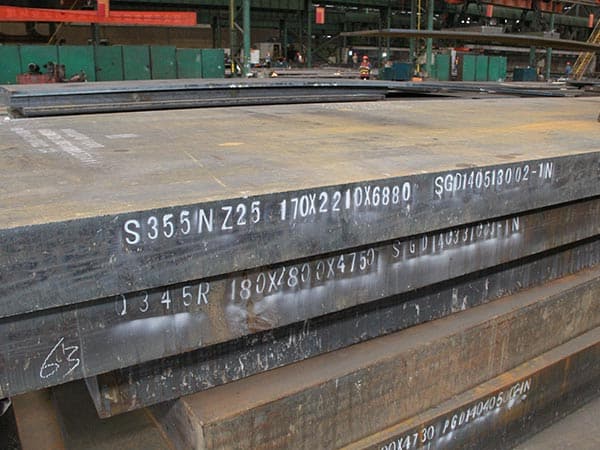
The Strategic Importance of S550MC Steel in the Nigerian Industrial Landscape
Nigeria’s industrial sector is undergoing a rapid transformation, driven by massive infrastructure projects, a burgeoning automotive assembly industry, and the continuous expansion of the oil and gas value chain. At the heart of this evolution lies the demand for advanced materials that offer both weight reduction and high structural integrity. S550MC, a high-yield-strength cold-forming steel governed by the EN 10149-2 standard, has emerged as a critical material for Nigerian engineers and procurement specialists. This thermomechanically rolled steel provides a unique balance of high strength and excellent formability, making it indispensable for modern engineering challenges.
Identifying the top ten suppliers of S550MC in Nigeria requires an understanding of the local supply chain, which consists of international mill representatives, large-scale stockists in Lagos and Port Harcourt, and specialized engineering procurement firms. These suppliers are categorized by their ability to provide certified materials, technical support, and reliable logistics across the West African sub-region.
Technical Specifications and Chemical Composition of S550MC
S550MC is defined by its minimum yield strength of 550 MPa. The "MC" suffix indicates that the steel is thermomechanically rolled (M) and is intended for cold forming (C). The chemical composition is meticulously controlled to ensure weldability and toughness while maintaining high strength. Unlike traditional structural steels, S550MC utilizes micro-alloying elements such as Niobium (Nb), Vanadium (V), and Titanium (Ti) to refine the grain structure.
| Element | Maximum Percentage (%) |
|---|---|
| Carbon (C) | 0.12 |
| Manganese (Mn) | 1.80 |
| Silicon (Si) | 0.50 |
| Phosphorus (P) | 0.025 |
| Sulphur (S) | 0.015 |
| Aluminium (Al) | 0.015 |
| Niobium (Nb) | 0.09 |
| Vanadium (V) | 0.20 |
| Titanium (Ti) | 0.15 |
The low carbon content is particularly significant for the Nigerian market, where on-site welding is common. It ensures that the steel can be joined without the high risk of cold cracking, even under the humid environmental conditions prevalent in the Niger Delta or the coastal regions of Lagos.
Mechanical Properties and Performance Metrics
For structural applications in Nigeria, the mechanical reliability of S550MC is the primary reason for its selection over standard S355 grades. By using S550MC, designers can reduce the thickness of components without sacrificing safety, leading to lighter structures and lower transportation costs—a vital factor given the logistical complexities of the Nigerian hinterland.
- Yield Strength: Minimum 550 MPa, ensuring high resistance to permanent deformation.
- Tensile Strength: Ranges between 600 and 760 MPa, providing a robust safety margin.
- Elongation: Minimum 12% to 14% (depending on thickness), allowing for complex bending and folding.
- Impact Toughness: Often tested at -20°C or -40°C, ensuring the material remains ductile even in pressurized or high-stress environments.
These properties make S550MC an ideal candidate for the manufacturing of truck chassis, crane arms, and specialized containers used in the Nigerian logistics sector. The ability to cold-form this steel into intricate shapes allows for the creation of stiffening ribs and complex profiles that enhance the overall rigidity of the final product.
Top Categories of S550MC Suppliers in Nigeria
The supply of S550MC in Nigeria is not dominated by a single entity but rather a network of providers that cater to different scales of operation. When looking for the top ten sources, one must consider the following tiers of the market:
1. Global Steel Mill Representatives: Major international players like ArcelorMittal, Thyssenkrupp, and Baosteel maintain a presence in Nigeria through local agents. These are the primary sources for large-scale industrial projects requiring thousands of tons of S550MC with full mill certification.
2. Major Lagos-Based Stockists: Companies located in the Apapa and Ikorodu industrial zones often stock high-strength plates and coils. These suppliers serve the immediate needs of the manufacturing sector, offering quicker turnaround times than direct imports.
3. Oil and Gas Procurement Specialists: Firms specializing in the upstream and downstream sectors often source S550MC for offshore structural components. These suppliers prioritize materials that meet stringent international safety standards and provide comprehensive documentation.
4. Specialized Engineering Hubs: Engineering firms in Port Harcourt and Abuja often act as intermediaries, sourcing S550MC for specific government-backed infrastructure projects, such as bridge components or heavy-duty transport equipment.
Application Industries for S550MC in the Nigerian Market
The versatility of S550MC allows it to penetrate multiple sectors of the Nigerian economy. Its adoption is a sign of maturing engineering practices within the country.
Automotive and Transport: Nigeria’s drive to localize vehicle assembly has increased the demand for S550MC. It is used extensively in the fabrication of trailers, tankers, and tipper bodies. The high strength-to-weight ratio allows Nigerian fleet operators to carry heavier payloads while staying within legal axle load limits.
Construction and Infrastructure: In the construction of modern warehouses and industrial sheds, S550MC is used for cold-formed sections and purlins. Its high yield strength allows for longer spans and fewer supporting columns, optimizing the internal space of the structures.
Agriculture: As Nigeria mechanizes its agricultural sector, S550MC is finding its way into the manufacturing of heavy-duty plows, harvesters, and storage silos. The steel’s resistance to wear and its ability to withstand mechanical shocks make it ideal for the demanding conditions of Nigerian farmland.
Environmental Adaptability and Corrosion Resistance
Nigeria’s climate varies from the high humidity of the south to the arid, dusty conditions of the north. S550MC, while not a stainless steel, exhibits good atmospheric corrosion resistance when properly treated. For coastal applications in Lagos or Port Harcourt, it is standard practice to combine S550MC with advanced coating systems. The smooth surface finish resulting from the thermomechanical rolling process provides an excellent substrate for galvanizing or high-performance painting, ensuring a long service life even in saline environments.
Critical Considerations for Procuring S550MC in Nigeria
Procuring high-strength steel in the Nigerian market requires diligence to ensure material authenticity and performance. Buyers should focus on several key factors when evaluating the top suppliers:
- Certification: Always demand Mill Test Certificates (MTC) to EN 10204 3.1 or 3.2 standards. This ensures the chemical and mechanical properties match the S550MC specification.
- Processing Capabilities: Top suppliers often provide value-added services such as precision laser cutting, plasma cutting, and CNC bending. This reduces the burden on the local fabricator.
- Logistical Reach: A supplier’s ability to deliver to remote sites in the North or the difficult terrain of the Delta is a significant competitive advantage.
- Technical Support: The best suppliers offer metallurgical advice, helping Nigerian engineers choose the right welding consumables and bending radii to avoid cracking during fabrication.
The Economic Impact of S550MC Adoption
While the per-ton cost of S550MC may be higher than standard mild steel, the total project cost often decreases. The reduction in material volume leads to lower shipping costs, reduced welding time, and less paint consumption. In the context of the Nigerian economy, where foreign exchange fluctuations affect import prices, the efficiency gained by using high-strength S550MC is a powerful tool for cost control. Furthermore, the increased durability of the final products reduces maintenance cycles, providing long-term economic benefits to the end-users.
The growth of the S550MC market in Nigeria is a testament to the country’s increasing technical sophistication. By partnering with reputable suppliers who understand the nuances of high-strength low-alloy (HSLA) steels, Nigerian industries can build more resilient, efficient, and globally competitive infrastructure and products.
Leave a message