
What are the precautions during the cutting of S500MC farm machinery steel
Comprehensive guide on the precautions for cutting S500MC high-strength steel in farm machinery manufacturing, covering thermal effects, mechanical properties, and process optimization.
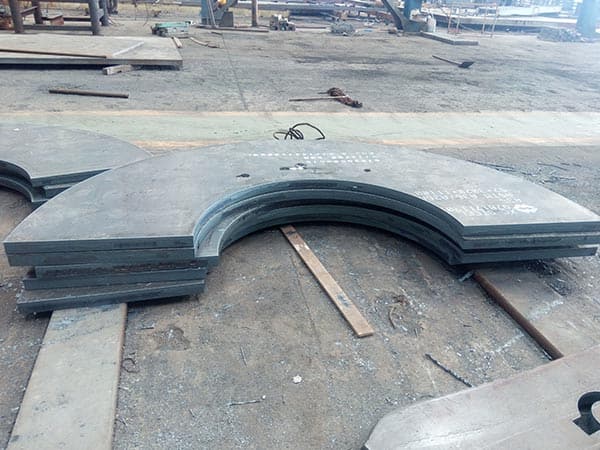
Understanding S500MC Steel in Modern Agricultural Equipment
S500MC is a high-yield strength, thermomechanically rolled steel specifically designed for cold forming. According to the EN 10149-2 standard, this material offers a unique combination of high strength and excellent ductility, making it a preferred choice for the structural components of modern farm machinery. As agricultural equipment becomes larger and more efficient, the demand for lightweight yet durable materials has surged. S500MC allows manufacturers to reduce the thickness of components without sacrificing structural integrity, which directly translates to lower fuel consumption and higher payload capacities for tractors, harvesters, and tillage equipment.
The processing of S500MC, particularly the cutting phase, is a critical stage that determines the final performance of the component. Because this steel gains its properties through a specialized thermomechanical rolling process, improper cutting techniques can lead to localized softening, edge cracking, or significant residual stresses. Achieving the perfect balance between processing speed and material quality requires a deep understanding of the steel's metallurgical characteristics.
Thermal Cutting Precautions: Managing the Heat-Affected Zone (HAZ)
Thermal cutting methods, such as laser, plasma, and oxy-fuel cutting, are the most common techniques used in the fabrication of S500MC parts. However, the intense heat generated during these processes can alter the fine-grained microstructure of the steel. One of the primary precautions is the management of the Heat-Affected Zone (HAZ). Unlike traditional carbon steels, S500MC relies on micro-alloying elements like Niobium (Nb), Vanadium (V), and Titanium (Ti) to maintain its strength. Excessive heat input can cause grain growth in the HAZ, leading to a localized reduction in yield strength and toughness.
- Laser Cutting Optimization: Fiber laser cutting is highly recommended for S500MC due to its high energy density and narrow HAZ. When cutting thicknesses above 6mm, using nitrogen as an assist gas can prevent oxidation of the cut edge, which is beneficial for subsequent welding or painting processes.
- Plasma Cutting Speed: If using plasma, maintaining a high cutting speed is essential to minimize the duration of heat exposure. High-definition plasma systems are preferred to ensure edge perpendicularity and reduce the need for secondary grinding.
- Preheating Considerations: Generally, S500MC does not require preheating for thicknesses under 10mm due to its low carbon equivalent (CEV). However, if cutting in extremely cold environments (below 5°C), a slight warming of the plate can prevent hydrogen-induced cracking at the cut edges.
Mechanical Properties and Material Specifications
Before proceeding with any cutting operation, it is vital to verify the mechanical properties of the specific batch of S500MC. The following table outlines the typical mechanical requirements that influence how the material responds to cutting and subsequent forming:
| Property | Value (S500MC) | Impact on Cutting |
|---|---|---|
| Yield Strength (ReH) | Min. 500 MPa | Requires higher force for mechanical shearing. |
| Tensile Strength (Rm) | 550 - 700 MPa | Influences the wear rate of cutting tools and blades. |
| Elongation (A5) | Min. 12% - 14% | Ensures edges remain ductile after cutting. |
| Carbon Equivalent (CEV) | Approx. 0.30 - 0.38 | Indicates excellent weldability and low risk of hardening. |
Mechanical Shearing and Punching Precautions
For high-volume production of smaller farm machinery components, mechanical shearing and punching are often utilized. Because S500MC has a significantly higher yield strength than standard S235 or S355 steels, the equipment must be rated for high-strength materials. Tool wear is a major factor to monitor. The hardness of S500MC can cause rapid blunting of shear blades and punch dies if they are not made from high-quality tool steel or coated with wear-resistant layers.
When shearing, the clearance between the blades must be precisely adjusted. A clearance that is too small will increase the required force and tool wear, while a clearance that is too large will result in excessive burrs and edge deformation. For S500MC, a clearance of 10% to 15% of the material thickness is generally recommended to achieve a clean break. Furthermore, the high residual stress inherent in high-strength plates can cause the material to "spring back" or twist slightly after shearing, requiring careful nesting and support during the process.
Surface Preparation and Edge Quality
The quality of the cut edge is paramount in agricultural applications where components are subjected to dynamic loads and vibrations. Micro-cracks or rough edges can act as stress concentrators, leading to premature fatigue failure in the field. Deburring is a non-negotiable step after thermal or mechanical cutting. Removing the dross or sharp edges not only improves safety during assembly but also ensures that protective coatings (like powder coating or galvanizing) adhere properly to the edges.
In the context of S500MC, the surface condition before cutting also matters. Since this steel is often supplied in a pickled and oiled condition, any heavy scale or rust should be removed to ensure consistent laser beam absorption or plasma arc stability. For farm machinery used in corrosive environments (such as fertilizer spreaders), ensuring a smooth, clean cut edge is the first line of defense against edge-corrosion.
Environmental Adaptability and Storage During Processing
S500MC is designed to perform in harsh outdoor environments, but it remains sensitive to storage conditions before and during the cutting process. Moisture is the primary enemy. If plates are stored in damp conditions, moisture can be trapped between stacked sheets, leading to localized corrosion or "white rust." When these plates are moved to a laser cutting bed, the moisture or rust can cause "blowouts" or inconsistent cuts, damaging the nozzle or the lens.
It is recommended to allow the steel plates to acclimatize to the workshop temperature before cutting. This prevents condensation from forming on the surface. For agricultural equipment manufacturers operating in humid or coastal regions, using a dehumidified storage area or ensuring the protective oil film remains intact until the moment of cutting is a critical operational precaution.
Optimizing Nesting to Minimize Residual Stress
The thermomechanical rolling process used to create S500MC introduces a specific grain orientation. When cutting large parts for harvester frames or plow beams, the orientation of the parts relative to the rolling direction can influence the final dimensional stability. Strategic nesting is required to balance material yield and part quality.
Cutting long, narrow strips can release internal stresses, causing the material to bow or "banana." To mitigate this, manufacturers should use "bridge cutting" or "stitch cutting" techniques to keep the part attached to the main skeleton until the heat has dissipated. This ensures that the high-precision holes and slots required for farm machinery assembly remain within the tight tolerances necessary for automated robotic welding and assembly lines.
Advanced Considerations for High-Strength Components
As farm machinery moves toward even higher grades like S700MC, the lessons learned from cutting S500MC become even more relevant. The key is to treat S500MC not just as a stronger version of mild steel, but as a sophisticated engineered product. This means documenting cutting parameters, monitoring tool life cycles, and performing regular metallurgical checks on cut edges. By adhering to these precautions, manufacturers can fully leverage the weight-saving and durability benefits of S500MC, ensuring that the final agricultural equipment can withstand the rigors of modern farming for decades.
Leave a message