
What are the top ten S420MC cold forming suppliers in Nigeria
Comprehensive guide to S420MC cold forming steel in Nigeria. Learn about its mechanical properties, chemical composition, and how to identify the best suppliers for high-strength infrastructure and automotive projects.
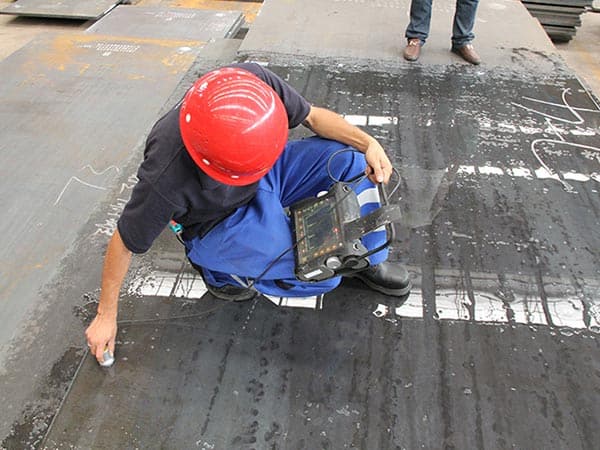
Understanding S420MC: The Backbone of Modern Nigerian Infrastructure
S420MC is a high-strength, low-alloy (HSLA) steel grade specifically designed for cold forming applications. Governed by the European standard EN 10149-2, this material has become a cornerstone for industries requiring a balance between weight reduction and structural integrity. In the context of Nigeria's rapidly expanding construction and automotive assembly sectors, S420MC offers a unique proposition: the ability to build lighter, more fuel-efficient vehicles and more resilient steel structures without sacrificing safety.
The 'S' in S420MC denotes structural steel, while '420' refers to its minimum yield strength of 420 MPa. The 'MC' suffix indicates that the steel is thermomechanically rolled (M) and is suitable for cold forming (C). This specific manufacturing process ensures a fine-grained microstructure, which is essential for achieving superior toughness and excellent weldability, even in the demanding climatic conditions found across West Africa.
Chemical Composition and Micro-Alloying Excellence
The performance of S420MC is rooted in its precise chemical makeup. Unlike traditional carbon steels, S420MC utilizes micro-alloying elements such as Niobium (Nb), Vanadium (V), and Titanium (Ti). These elements, though present in small quantities, significantly refine the grain size during the thermomechanical rolling process.
| Element | Maximum Content (%) |
|---|---|
| Carbon (C) | 0.12 |
| Manganese (Mn) | 1.60 |
| Silicon (Si) | 0.50 |
| Phosphorus (P) | 0.025 |
| Sulfur (S) | 0.015 |
| Aluminum (Al) | 0.015 |
The low carbon content (max 0.12%) is particularly beneficial for the Nigerian market, where on-site welding is common. It minimizes the risk of cold cracking in the heat-affected zone (HAZ), allowing fabricators in Lagos or Port Harcourt to achieve high-quality joints without extensive pre-heating requirements. The controlled levels of sulfur and phosphorus enhance the steel's internal cleanliness, which is critical for preventing tearing during complex cold-bending operations.
Mechanical Properties and Cold Forming Capabilities
For engineers and procurement officers in Nigeria, the mechanical reliability of S420MC is its primary selling point. The steel maintains high ductility despite its high strength, allowing for tight bending radii that would cause standard structural steels to fail. This makes it ideal for the production of complex profiles used in truck chassis, crane booms, and agricultural machinery.
Yield Strength: Minimum 420 MPa (for thicknesses ≤ 16mm).
Tensile Strength: 480 to 620 MPa.
Elongation: Minimum 16% to 19% depending on thickness.
The ability to withstand cold forming means that components can be shaped at room temperature, reducing energy costs and eliminating the need for heat treatment facilities. In Nigeria's industrial hubs, where energy reliability can be a challenge, the cold-forming nature of S420MC provides a significant operational advantage for local manufacturers.
Environmental Adaptability in the Nigerian Climate
Nigeria’s environment ranges from the high humidity and salt-laden air of the Atlantic coast to the arid, dusty conditions of the northern regions. S420MC, while not a stainless steel, offers better atmospheric corrosion resistance than traditional hot-rolled steels due to its dense, fine-grained surface structure. When combined with modern coating technologies such as hot-dip galvanizing or high-performance epoxy paints, S420MC structures can achieve a service life exceeding 50 years in tropical environments.
Furthermore, the material's impact toughness is tested at low temperatures (typically -20°C or -40°C), ensuring that even if used in specialized refrigerated transport or high-altitude applications, the steel will not undergo brittle fracture. This versatility is why top-tier suppliers in Nigeria prioritize S420MC for heavy-duty logistics equipment.
Identifying the Top Ten S420MC Suppliers in Nigeria
Finding reliable S420MC suppliers in Nigeria requires looking beyond simple price points. The "top ten" list is generally comprised of three distinct categories of suppliers: global steel giants with local distribution, specialized regional stockists, and integrated fabrication partners. When evaluating these suppliers, consider the following criteria:
- Certification and Traceability: Top suppliers must provide Mill Test Certificates (MTC) according to EN 10204 3.1. This ensures the steel meets the S420MC specification and isn't a lower-grade substitute.
- Processing Capabilities: Leading suppliers often offer value-added services such as precision laser cutting, CNC bending, and decoiling. This is vital for Nigerian firms that may not have the heavy machinery required to process high-strength coils.
- Logistical Reach: Suppliers with warehouses in strategic locations like Apapa (Lagos), Onne (Rivers State), and Kano can significantly reduce lead times and transport costs.
- Technical Support: The best suppliers employ metallurgical engineers who can advise on welding parameters and bending radii to prevent material fatigue.
While specific rankings can fluctuate based on inventory levels and import cycles, the top suppliers are those who maintain a consistent stock of various thicknesses (typically 2mm to 16mm) and have a proven track record with major Nigerian infrastructure projects, such as the Lekki Deep Sea Port or the various railway expansion initiatives.
Operational Excellence: Working with S420MC
To maximize the benefits of S420MC, Nigerian fabricators should adhere to specific processing guidelines. During cold bending, it is recommended to bend the steel transverse to the rolling direction to minimize the risk of cracking. The minimum bending radius for S420MC is generally 0.5 to 1.5 times the thickness, depending on the specific batch and orientation.
Welding should be performed using low-hydrogen consumables. While S420MC is highly weldable, using the correct filler metal (such as E8018-G or equivalent wire for MIG/MAG welding) ensures that the weld metal matches the strength of the base material. Given Nigeria's humidity, keeping welding electrodes dry is paramount to prevent hydrogen-induced cracking.
The Economic Impact of S420MC in Nigeria
The shift toward S420MC in the Nigerian market is driven by economic necessity. By using a higher-strength steel, engineers can reduce the thickness of structural members without compromising load-bearing capacity. This "lightweighting" leads to several cost-saving benefits: reduced raw material weight (lowering import duties and shipping costs), lower fuel consumption for transport vehicles, and faster assembly times due to lighter components.
As Nigeria continues to industrialize, the demand for S420MC is expected to grow within the renewable energy sector (wind turbine towers and solar racking) and the burgeoning local automotive assembly industry. Suppliers who can provide consistent quality and technical expertise will be the primary beneficiaries of this industrial evolution.
Strategic Sourcing and Quality Assurance
When sourcing S420MC in Nigeria, it is essential to conduct due diligence. This includes verifying the reputation of the supplier within the Nigerian Society of Engineers (NSE) circles and checking for ISO 9001 certification. Many top suppliers now offer digital tracking of steel batches, allowing project managers to verify the origin of their materials via QR codes on the bundles.
For large-scale projects, establishing a direct relationship with a supplier that has strong ties to European or top-tier Asian mills is advisable. This ensures a steady supply chain even during global market volatility, which is a frequent challenge for the Nigerian steel trade. By focusing on quality and technical compliance, Nigerian businesses can leverage S420MC to build a more durable and efficient future.
Leave a message