
Why S420MC pickled steel sheet is not easy to rust
Explore the technical reasons behind the superior rust resistance of S420MC pickled steel. This expert guide details its chemical composition, pickling process, mechanical properties, and diverse industrial applications for long-term durability.
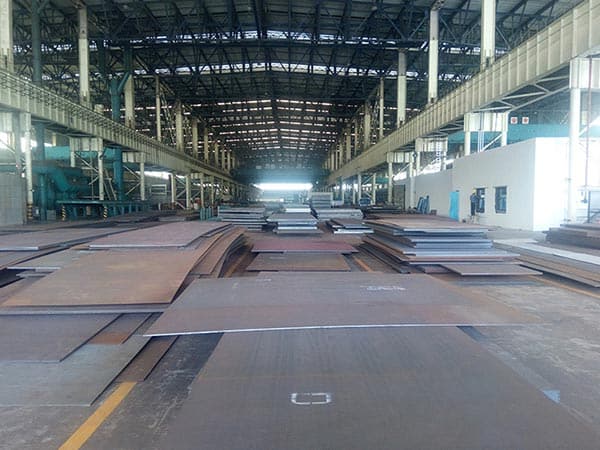
Understanding the Superiority of S420MC Pickled Steel
S420MC is a high-yield strength, cold-forming steel produced through thermomechanical rolling, strictly adhering to the EN 10149-2 standard. When we discuss why S420MC pickled steel sheet is not easy to rust, we are looking at a synergy between advanced metallurgical engineering and precise surface treatment. Unlike standard hot-rolled steel, which carries a layer of mill scale, the pickled version undergoes a chemical cleaning process that fundamentally alters its environmental interaction. This material is prized for its balance of high strength (minimum yield strength of 420 MPa) and exceptional surface quality, making it a staple in demanding structural applications.
The Critical Role of the Pickling Process in Corrosion Prevention
The primary reason for the rust resistance of S420MC pickled sheets lies in the removal of mill scale. During hot rolling, steel reacts with oxygen to form a complex layer of oxides, including FeO, Fe2O3, and Fe3O4. This scale is brittle, porous, and electrochemically different from the base metal. If left untreated, moisture can penetrate the cracks in the scale, creating galvanic cells that accelerate localized corrosion, often leading to pitting. Pickling involves passing the steel through a series of hydrochloric acid (HCl) baths. This chemical reaction dissolves the oxides, leaving behind a clean, uniform metallic surface. By eliminating the cathodic mill scale, the potential for galvanic corrosion is significantly reduced.
Surface Passivation and the Protective Oil Film
Immediately after the pickling process, the S420MC sheet is rinsed and dried. However, bare steel is highly reactive. To prevent flash rusting, a specialized rust-preventative oil (O) is applied electrostatically. This oil film acts as a hydrophobic barrier, preventing atmospheric moisture and oxygen from reaching the iron atoms on the surface. The oil used for S420MC is specifically formulated to be compatible with subsequent industrial processes, such as welding or painting, while providing a shelf life that resists oxidation for several months under proper storage conditions. The combination of a clean substrate and a stable oil barrier is the dual-layer defense that makes S420MC pickled steel far more resilient than its unpickled counterparts.
Metallurgical Influence: Chemical Composition and Grain Refinement
The internal chemistry of S420MC also contributes to its overall durability. As a High Strength Low Alloy (HSLA) steel, it utilizes micro-alloying elements such as Niobium (Nb), Vanadium (V), and Titanium (Ti). These elements perform grain refinement during the thermomechanical rolling process. A finer grain structure not only increases yield strength but also results in a more homogeneous surface. Low carbon content (typically ≤0.12%) reduces the formation of coarse carbides that could otherwise serve as initiation points for corrosion. Furthermore, the low silicon content ensures that the steel surface is smooth and free from the 'red scale' defects often found in high-silicon steels, which are notoriously difficult to remove and prone to rusting.
Mechanical Properties and Structural Integrity
Beyond its surface characteristics, S420MC offers mechanical properties that ensure the structural integrity of the final product, which indirectly aids in environmental resistance. A material that deforms or cracks under stress is more likely to expose fresh, unprotected metal to the elements. S420MC is designed for cold forming, meaning it can be bent and shaped without developing micro-cracks.
| Property | Requirement (EN 10149-2) | Typical Value |
|---|---|---|
| Yield Strength (MPa) | ≥ 420 | 440 - 480 |
| Tensile Strength (MPa) | 480 - 620 | 500 - 560 |
| Elongation A80mm (%) | ≥ 16 (t < 3mm) | 19 - 22 |
| Bending Radius (180°) | 0.5t (t ≤ 3mm) | Pass |
The high yield-to-tensile ratio allows for weight reduction in structural components, such as truck chassis or crane booms, without compromising safety. When a structure is lighter and more rigid, it experiences less fatigue-induced surface degradation, maintaining the protective coatings or oil films for longer periods.
Processing Performance: Weldability and Coating Adhesion
S420MC pickled steel is highly regarded for its weldability. Because the surface is free of scale and impurities, the weld pool remains clean, reducing the risk of porosity and slag inclusions. This ensures that the heat-affected zone (HAZ) remains robust. Furthermore, for industries that require painting or powder coating, the pickled surface provides an ideal Ra (Roughness Average) value. The lack of scale means that coatings can bond directly to the metallic lattice, preventing the 'peeling' effect that occurs when paint is applied over mill scale. This superior adhesion is a critical factor in the long-term corrosion resistance of finished products in the automotive and heavy machinery sectors.
Environmental Adaptability and Industry Applications
The ability of S420MC pickled steel to resist rust makes it the preferred choice across various demanding environments. In the automotive industry, it is used for structural frames, cross members, and suspension parts where exposure to road salt and moisture is constant. In heavy machinery, it forms the backbone of telescopic booms and agricultural equipment. The smooth, clean surface is also beneficial in cold-formed profiles and racking systems, where aesthetic quality and dimensional precision are as important as structural strength. Its adaptability stems from the fact that it provides a 'ready-to-process' surface that minimizes pre-treatment costs for the manufacturer.
Optimizing Longevity: Storage and Handling Best Practices
While S420MC pickled steel is 'not easy to rust,' its performance is still dependent on proper handling. To maximize its lifespan, the following practices are essential:
- Climate-Controlled Storage: Keep the material in a dry, ventilated environment with stable temperatures to prevent condensation (sweating).
- First-In, First-Out (FIFO): Utilize the material within the recommended timeframe of the protective oil (usually 3-6 months).
- Avoid Direct Contact: Use protective dunnage to prevent mechanical damage to the oil film during transport.
- Moisture Barriers: If stored in high-humidity regions, use VCI (Vapor Corrosion Inhibitor) packaging for an extra layer of protection.
By understanding the technical synergy between the thermomechanical rolling process and the chemical pickling treatment, engineers can fully leverage S420MC's potential. It is not merely a high-strength material; it is a sophisticated solution for modern manufacturing challenges, offering a clean, stable, and durable foundation for high-performance steel structures.
Leave a message