
Will strenx steel for auto frame rust?
Explore the corrosion resistance of Strenx high-strength steel in automotive frames. Learn about its chemical composition, oxidation risks, and effective protection strategies.
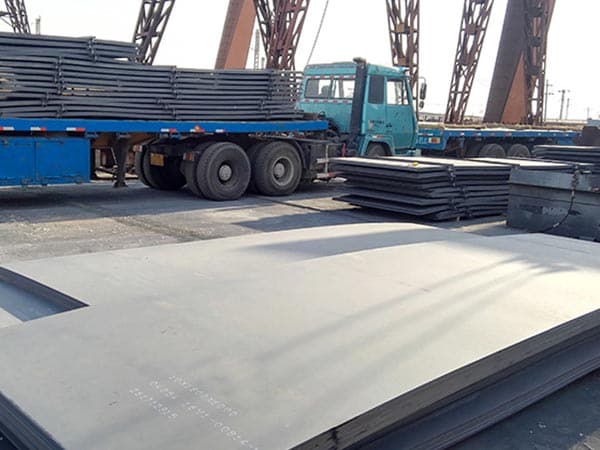
The Reality of Oxidation in High-Performance Structural Steel
When evaluating the suitability of Strenx steel for automotive frames, the question of corrosion resistance is as critical as its legendary strength-to-weight ratio. Strenx, a high-strength structural steel developed by SSAB, is engineered to push the limits of load-bearing capacity and weight reduction. However, it is essential to clarify a fundamental metallurgical fact: Strenx is a carbon-manganese structural steel, not a stainless steel or a weathering steel. Without appropriate surface treatment, it will undergo oxidation when exposed to moisture, oxygen, and electrolytes like road salt.
The misconception that high-performance steels are inherently rust-proof often stems from their superior mechanical durability. While Strenx 700, 900, or 1100 grades offer exceptional yield strength, their chemical makeup is designed for weldability and toughness rather than intrinsic atmospheric corrosion resistance. In the context of an auto frame, which is constantly subjected to stone chips, humidity, and chemical de-icers, understanding the rust mechanism and the steel's surface characteristics is vital for long-term vehicle integrity.
Chemical Composition and Its Influence on Corrosion
The corrosion rate of any steel is largely dictated by its alloying elements. Strenx steels are characterized by their extreme purity and low carbon equivalent (CEV). This low CEV is achieved through a precise balance of micro-alloying elements such as niobium, titanium, and vanadium, combined with a specialized thermomechanical rolling process.
Unlike weathering steels (such as Cor-Ten), which contain higher levels of copper, chromium, and nickel to form a stable, protective patina, Strenx focuses on a fine-grained microstructure to achieve its strength. Because it lacks these high concentrations of corrosion-inhibiting alloys, its raw oxidation rate is comparable to standard structural steels like S355. However, the high purity of Strenx—specifically its low sulfur and phosphorus content—results in a more uniform surface. This uniformity is a significant advantage, as it prevents the formation of localized galvanic cells that often lead to aggressive pitting corrosion in lower-quality steels.
Surface Quality: The Hidden Advantage for Coating Adhesion
One of the primary reasons Strenx is preferred for high-end auto frames and trailer chassis is its exceptional surface finish. Standard hot-rolled steels often arrive with a thick, brittle layer of mill scale (iron oxide formed during cooling). This scale is notorious for cracking and trapping moisture underneath, leading to
Leave a message