
What are the uses of s700mc steel equivalent in india
Explore the technical specifications, Indian equivalents like IS 2062 E700, and diverse industrial applications of S700MC high-strength steel in the Indian market.
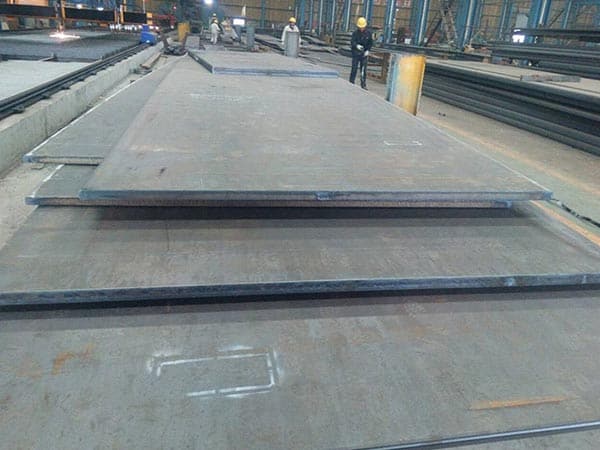
Understanding S700MC and Its Strategic Importance in India
The demand for high-performance materials in the Indian industrial landscape has surged, particularly with the push for infrastructure modernization and the "Make in India" initiative. S700MC, a high-strength low-alloy (HSLA) structural steel, stands at the forefront of this shift. Defined by the EN 10149-2 standard, S700MC is thermomechanically rolled, a process that ensures a fine-grained microstructure, providing an exceptional balance of high yield strength and excellent cold-forming properties. In India, the equivalent standard often referred to is IS 2062 E700. This material is engineered to allow for significant weight reduction in structures without compromising load-bearing capacity or safety. By utilizing S700MC or its Indian counterparts, engineers can design lighter components, which directly translates to fuel efficiency in transport and lower material costs in large-scale construction.
Technical Specifications: S700MC vs. Indian Equivalent IS 2062 E700
To appreciate the utility of S700MC in the Indian context, one must examine its mechanical and chemical profile. The "S" denotes structural steel, "700" signifies a minimum yield strength of 700 MPa, and "MC" indicates it is thermomechanically rolled for cold forming. The Indian standard IS 2062 E700 mirrors these requirements closely, making it the primary choice for domestic procurement. Below is a detailed breakdown of the mechanical properties typically associated with these grades.
| Property | S700MC (EN 10149-2) | IS 2062 E700 (Indian Equivalent) |
|---|---|---|
| Yield Strength (MPa) | Min 700 | Min 700 |
| Tensile Strength (MPa) | 750 - 950 | 750 - 940 |
| Elongation (%) | Min 12 (at 2mm thickness) | Min 12 |
| Impact Strength (Charpy V) | 40J at -20°C (Optional) | As per agreement (typically 27J at -20°C) |
The chemical composition is equally critical. Both S700MC and IS 2062 E700 maintain a low carbon equivalent (CEV) to ensure superior weldability. This is achieved by using micro-alloying elements such as Niobium (Nb), Vanadium (V), and Titanium (Ti), which refine the grain structure during the rolling process. This metallurgical precision allows the steel to remain ductile even at high strength levels, a feature that is indispensable for the complex bending and folding required in modern manufacturing.
Automotive and Transportation: The Drive for Lightweighting
Within the Indian automotive sector, the transition toward BS-VI emission norms and the increasing focus on electric vehicles (EVs) have made weight reduction a priority. S700MC equivalent steel is extensively used in the fabrication of commercial vehicle chassis, frames, and cross members. Because the steel is significantly stronger than conventional grades like S355 or IS 2062 E250, manufacturers can use thinner plates to achieve the same structural integrity. This reduction in "dead weight" allows for a higher payload capacity, which is a critical selling point for fleet operators in India.
- Truck Chassis and Frames: High-strength steel ensures the vehicle can withstand heavy loads and rough Indian road conditions while remaining light enough to optimize fuel consumption.
- Tippers and Trailers: The abrasion resistance and high yield strength of E700 make it ideal for the side walls and floors of tippers used in mining and construction.
- Bus Body Structures: Safety is paramount in passenger transport; S700MC provides the necessary energy absorption during impacts while keeping the overall structure lightweight.
Heavy Lifting and Construction Machinery
The Indian construction equipment industry is another major consumer of S700MC equivalent steel. As infrastructure projects like the Bharatmala and Sagarmala initiatives expand, the demand for robust machinery like mobile cranes, telescopic handlers, and concrete pumps has skyrocketed. These machines require materials that can handle immense stress at height and reach. The high strength-to-weight ratio of IS 2062 E700 allows for the design of longer, lighter crane booms that can lift heavier loads further without the risk of structural buckling.
Moreover, the cold-forming capability of S700MC is vital here. Many crane components involve intricate U-shaped or hexagonal profiles. The ability to bend these high-strength plates without cracking ensures that the final product is both aerodynamically efficient and structurally sound. Manufacturers like Tata Steel and JSW Steel provide these grades to domestic equipment makers, reducing the reliance on expensive imports from Europe or East Asia.
Infrastructure and Structural Engineering
While traditional mild steel is common in general construction, S700MC equivalents are finding their way into specialized structural applications across India. High-rise buildings, long-span bridges, and industrial warehouses benefit from the use of HSLA steel. By using E700 grade steel, engineers can reduce the size of columns and beams, creating more usable interior space and reducing the total weight of the steel structure. This, in turn, leads to smaller and less expensive foundation requirements.
In bridge engineering, particularly for railway overbridges (ROBs) and pedestrian walkways in congested urban areas like Mumbai or Delhi, the use of high-strength steel facilitates faster assembly and less disruption to traffic. The weldability of S700MC ensures that joints are as strong as the base metal, providing long-term durability against fatigue caused by constant vibration and load cycles.
Agricultural Equipment and Rural Development
India's agricultural sector is modernizing rapidly, with a move toward high-efficiency implements. Tractors, harvesters, and large-scale grain silos are increasingly being built using S700MC equivalent steel. In the case of soil-working tools, the toughness of the steel prevents deformation when hitting rocks or hard soil, while its high strength allows for slimmer designs that require less power from the tractor to pull, thereby saving diesel costs for the farmer.
Processing and Fabrication Advantages
The adoption of S700MC in India is not just about the final product's strength; it is also about the ease of fabrication. Despite its high strength, this steel behaves remarkably well during processing. Its low carbon content means that pre-heating is often unnecessary for welding, which speeds up production lines and reduces energy costs. Standard welding techniques such as MIG, TIG, and submerged arc welding (SAW) are perfectly compatible with IS 2062 E700.
Furthermore, the steel is highly suitable for laser and plasma cutting. The clean edges produced during cutting, combined with the material's consistent flatness, make it a favorite for automated manufacturing environments. In an era where precision is non-negotiable, the reliability of S700MC equivalents ensures that Indian manufacturers can compete on a global scale.
Environmental Impact and Sustainability
Sustainability is becoming a core pillar of industrial policy in India. The use of S700MC equivalent steel contributes significantly to green building and manufacturing practices. By reducing the total volume of steel required for a project, the carbon footprint associated with steel production, transportation, and assembly is lowered. Additionally, the longevity and recyclability of HSLA steel ensure that it remains a sustainable choice for the entire lifecycle of the infrastructure or vehicle.
The economic benefits are equally compelling. While the per-ton price of S700MC or IS 2062 E700 may be higher than standard mild steel, the overall project cost is often lower due to the reduced tonnage required. This "more with less" philosophy is driving the rapid integration of high-strength steel across various Indian sectors.
Sourcing and Availability in the Indian Market
Historically, S700MC was primarily imported. However, major Indian steel producers have now developed the capability to manufacture these high-end grades domestically. Companies like Tata Steel (under the brand names like Steelium or specialized high-strength series), JSW Steel, and SAIL (Steel Authority of India Limited) offer equivalents that meet or exceed the EN 10149-2 standards. This local availability has stabilized supply chains and made it easier for small and medium enterprises (SMEs) in India to access high-performance materials for their niche products.
When sourcing these materials, it is essential to verify the test certificates for yield strength, tensile strength, and particularly the impact test values if the application involves low-temperature environments. Ensuring the material complies with IS 2062:2011 (as amended) for E700 grade provides the necessary assurance for structural safety and regulatory compliance within the Indian jurisdiction.
The versatility of S700MC equivalent steel in India is reshaping how engineers approach design and manufacturing. From the rugged chassis of a heavy-duty truck navigating the Himalayas to the sleek booms of cranes building the next generation of Indian smart cities, this material is the silent backbone of modern progress. Its unique combination of strength, formability, and weldability ensures that it will remain a cornerstone of Indian industry for decades to come.
Leave a message