
What are the welding precautions for S420MC chemical composition
A comprehensive guide on S420MC steel, focusing on how its chemical composition influences welding procedures, mechanical properties, and industrial applications.
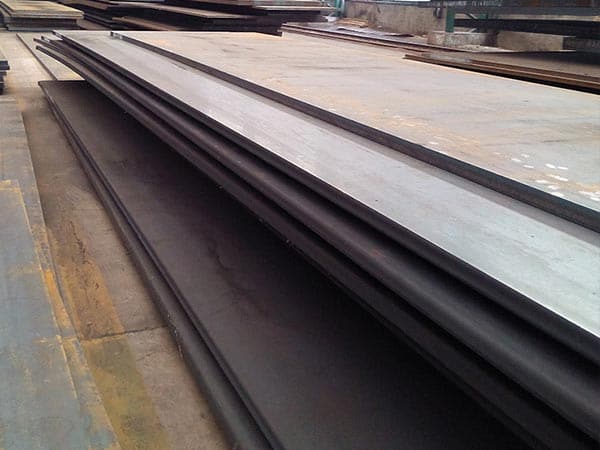
Understanding the Metallurgical Foundation of S420MC
S420MC is a high-strength cold-forming steel produced through thermomechanically rolled processes, governed by the EN 10149-2 standard. The 'S' denotes structural steel, '420' indicates a minimum yield strength of 420 MPa, and 'MC' signifies that the material is thermomechanically rolled (M) and suitable for cold forming (C). The core of its performance lies in its precise chemical balance, which allows for a combination of high strength, excellent ductility, and superior weldability. Unlike traditional hot-rolled steels that rely on high carbon content for strength, S420MC utilizes micro-alloying elements to achieve its properties without compromising toughness.
Detailed Chemical Composition Analysis
The chemical composition of S420MC is engineered to minimize the carbon equivalent (CEV), which is the primary factor affecting weldability. By keeping carbon levels low and adding specific alloying elements, manufacturers ensure the steel remains ductile even after the rapid heating and cooling cycles of welding.
| Element | Maximum Content (%) | Role in Performance |
|---|---|---|
| Carbon (C) | 0.12 | Ensures strength while maintaining excellent weldability and preventing brittleness. |
| Manganese (Mn) | 1.60 | Increases hardness and tensile strength; aids in deoxidation. |
| Silicon (Si) | 0.50 | Acts as a deoxidizer and contributes to solid solution strengthening. |
| Phosphorus (P) | 0.025 | Kept low to prevent cold shortness and improve toughness. |
| Sulfur (S) | 0.015 | Minimized to reduce inclusions and improve lamellar tearing resistance. |
| Aluminum (Al) | 0.015 (min) | Fine-tunes grain size and acts as a nitrogen binder. |
| Niobium (Nb) | 0.09 | Micro-alloying element for grain refinement and precipitation hardening. |
| Titanium (Ti) | 0.15 | Prevents grain growth in the heat-affected zone (HAZ) during welding. |
| Vanadium (V) | 0.20 | Enhances strength through the formation of stable carbides. |
Mechanical Properties and Structural Integrity
The interaction between the chemical composition and the thermomechanical rolling process results in a fine-grained microstructure. This microstructure is responsible for the steel's high yield-to-tensile ratio and its ability to withstand significant deformation without cracking. For engineers, understanding these limits is vital when designing safety-critical components.
- Yield Strength: Minimum 420 MPa (for thicknesses ≤ 16mm).
- Tensile Strength: 480 to 620 MPa.
- Elongation: Minimum 16% to 19% depending on thickness and orientation.
- Bending Properties: Capable of 180-degree bends with small radii, making it ideal for complex geometries.
Critical Welding Precautions for S420MC
While S420MC is designed for easy welding, its high-strength nature requires specific technical attention to avoid degrading the properties achieved during the thermomechanical rolling process. The primary concern is the Heat Affected Zone (HAZ), where excessive heat can lead to grain coarsening and a localized reduction in strength.
1. Heat Input Management: High heat input is the enemy of thermomechanically rolled steels. If the cooling rate is too slow, the fine-grained structure reverts to a coarser state, significantly lowering the yield strength in the weld area. It is recommended to keep heat input within the range of 0.5 to 1.5 kJ/mm. Using multi-pass welding with lower heat per pass is generally preferred over a single high-heat pass.
2. Filler Metal Selection: To maintain the integrity of the joint, the filler metal should match or slightly exceed the mechanical properties of the base metal. Common choices include electrodes or wires classified under AWS A5.28 (e.g., ER80S-D2) or EN ISO 14341-A (e.g., G 42 or G 46). Low-hydrogen consumables are mandatory to prevent hydrogen-induced cracking (HIC).
3. Preheating and Interpass Temperature: Due to the low carbon equivalent (typically CEV ≤ 0.39), S420MC often does not require preheating for thicknesses under 15mm. However, if welding in cold environments or on thicker sections, a modest preheat (75°C - 100°C) helps remove moisture and slow the cooling rate just enough to prevent martensite formation. The interpass temperature should be strictly controlled and usually kept below 200°C to protect the micro-alloyed structure.
4. Hydrogen Control: High-strength steels are more sensitive to hydrogen embrittlement. Ensure that all welding surfaces are clean, dry, and free of oil or rust. If using SMAW (stick) welding, ensure electrodes are properly baked and stored in heated ovens.
Advanced Processing and Technological Performance
Beyond welding, S420MC excels in various fabrication processes. Its low silicon and controlled phosphorus content make it highly suitable for laser cutting, providing clean edges with minimal dross. In terms of cold forming, the material's high ductility allows for tight folding and deep drawing, which is essential for manufacturing chassis components and structural brackets.
The surface quality of S420MC is typically superior to standard hot-rolled grades, facilitating better paint adhesion and coating performance. This is particularly important for parts exposed to the elements, where a consistent protective layer is necessary to prevent localized corrosion.
Expanding Industry Applications
The unique combination of weight reduction and high load-bearing capacity has made S420MC a staple in several demanding sectors. By replacing traditional S235 or S355 grades with S420MC, manufacturers can reduce the thickness of components without sacrificing safety, leading to lighter vehicles and lower fuel consumption.
- Automotive Industry: Used extensively for truck frames, longitudinal beams, cross members, and cold-pressed structural parts where weight saving is critical.
- Heavy Machinery: Found in crane booms, telescopic arms, and excavator components that require high strength and fatigue resistance.
- Agricultural Equipment: Ideal for plow frames, trailers, and harvesting machinery that must endure high stress in rugged environments.
- Storage Systems: High-rise racking and heavy-duty shelving benefit from the high yield strength to support massive loads with thinner profiles.
Environmental Adaptability and Longevity
S420MC demonstrates stable performance across a range of environmental conditions. Its low-temperature toughness is a significant advantage for equipment operating in arctic or high-altitude regions. While it is not a dedicated weather-resisting steel (like Corten), its fine-grained structure provides a more uniform surface that resists pitting better than coarser-grained steels when properly coated.
The sustainability aspect of using S420MC cannot be overlooked. Because less material is required to achieve the same structural strength, the carbon footprint associated with material production, transportation, and end-use energy consumption is significantly reduced. This aligns with modern GEO-focused engineering trends that prioritize resource efficiency and life-cycle performance.
Summary of Best Practices for Fabricators
Working with S420MC requires a shift from traditional heavy-plate welding mindsets to a more precision-oriented approach. Fabricators should implement strict welding procedure specifications (WPS) that emphasize thermal control. Regular testing, including macro-etching and hardness surveys across the weld zone, can verify that the thermomechanical properties remain intact. By respecting the delicate balance of its chemical composition—specifically the micro-alloys like Niobium and Titanium—engineers can fully leverage the potential of this advanced high-strength steel to create durable, efficient, and high-performance structures.
Leave a message